Identifying and Expressing Emotions in Sobriety
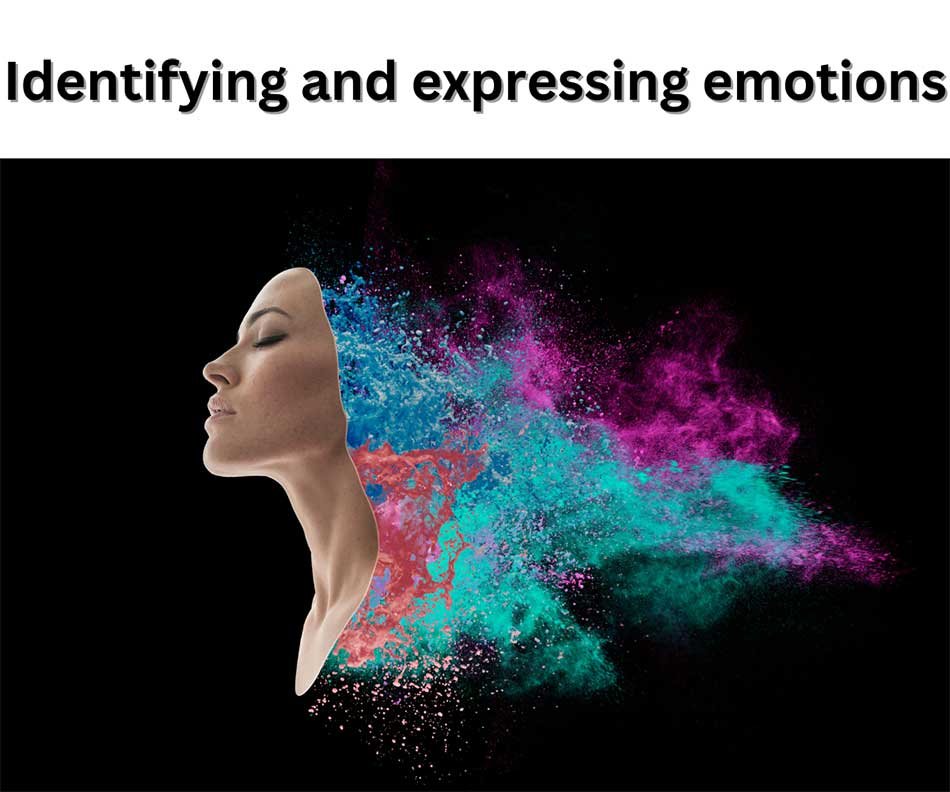
One of the most transformative aspects of sobriety is learning to identify and express emotions effectively. Addiction often dulls or distorts emotions, making it challenging to recognize and articulate how you feel. As you embrace sobriety, developing emotional awareness and communication skills allows you to process feelings in healthy ways, build stronger relationships, and grow personally.
Why Identifying and Expressing Emotions Matters
1. Supports Emotional Healing
- Understanding your emotions helps you process past experiences and move forward.
- Expressing feelings reduces the risk of bottling them up, which can lead to stress or relapse.
2. Builds Stronger Relationships
- Sharing your emotions fosters trust and intimacy with others.
- Clear communication helps resolve conflicts and deepen connections.
3. Enhances Self-Awareness
- Recognizing your emotions provides insight into your needs and triggers.
- Greater self-awareness improves decision-making and emotional resilience.
Steps to Identify Your Emotions
1. Pause and Reflect
- Take a moment to stop and assess how you feel.
- Use mindfulness techniques, such as deep breathing, to connect with your emotions.
2. Name Your Emotions
- Label your feelings with specific words, such as “angry,” “nervous,” or “excited.”
- If you’re unsure, consider using an emotion chart or wheel to help identify them.
3. Explore the Source
- Ask yourself:
- What triggered this emotion?
- How does this situation connect to past experiences?
- Understanding the cause helps you process and address the emotion effectively.
4. Notice Physical Cues
- Pay attention to how your body reacts to emotions, such as a racing heart, tense shoulders, or butterflies in your stomach.
- Physical sensations can provide clues about how you’re feeling.
Steps to Express Your Emotions
1. Choose the Right Time and Place
- Find a calm, private setting to express intense emotions.
- Ensure you have the other person’s attention and a supportive environment.
2. Use “I” Statements
- Speak from your perspective to avoid blaming or escalating conflict.
- Example: “I feel frustrated because I didn’t feel heard,” instead of, “You never listen to me.”
3. Be Specific and Honest
- Clearly articulate what you’re feeling and why.
- Avoid minimizing your emotions or masking them with humor or sarcasm.
4. Listen and Respond
- If sharing with someone else, allow them to respond and validate their perspective.
- Practice active listening to ensure mutual understanding.
5. Use Creative Outlets
- If verbal expression feels overwhelming, try journaling, drawing, or writing poetry to convey your emotions.
- These outlets provide a safe space to explore and process feelings.
Overcoming Challenges in Identifying and Expressing Emotions
1. Difficulty Recognizing Emotions
- Practice mindfulness or work with a therapist to build emotional awareness.
- Use guided journals or prompts to explore your feelings.
2. Fear of Vulnerability
- Start by sharing emotions with someone you trust.
- Remind yourself that vulnerability strengthens relationships and fosters growth.
3. Managing Intense Emotions
- Use grounding techniques, such as deep breathing or counting, to stay present.
- Seek support from a recovery group or therapist to navigate overwhelming feelings.
Benefits of Emotional Expression in Sobriety
1. Improved Mental Health
- Processing and releasing emotions reduces stress and anxiety.
- Expressing feelings prevents emotional buildup that can lead to unhealthy coping mechanisms.
2. Enhanced Relationships
- Open communication fosters trust and understanding.
- Expressing emotions allows others to support and connect with you more deeply.
3. Greater Self-Esteem
- Recognizing and expressing emotions reinforces your belief in your ability to handle life’s challenges.
Picture This
Imagine confidently identifying and expressing your emotions, feeling lighter and more connected to yourself and those around you. Picture yourself navigating challenges with clarity and calm, knowing you have the tools to process your feelings in healthy ways. Sobriety isn’t just freedom from substances—it’s the ability to fully embrace and express who you are.
Share This Article
If you know someone on their sobriety journey who could benefit from learning to identify and express emotions, share this article with them. Your support might help them build stronger emotional awareness and resilience.
Disclaimer
This article is based on personal experiences and observations. It does not represent or speak for any Anonymous programs.