Short-Term vs. Long-Term Planning in Sobriety
Planning is a powerful tool in sobriety, helping you navigate the challenges of staying clean and sober while building a meaningful life. However, understanding the balance between short-term and long-term planning is crucial. Both approaches are essential, serving different purposes as you move through your recovery journey.
This article explores the importance of short-term and long-term planning, how to create effective plans, and how they work together to support your sober lifestyle.

What Is Short-Term Planning?
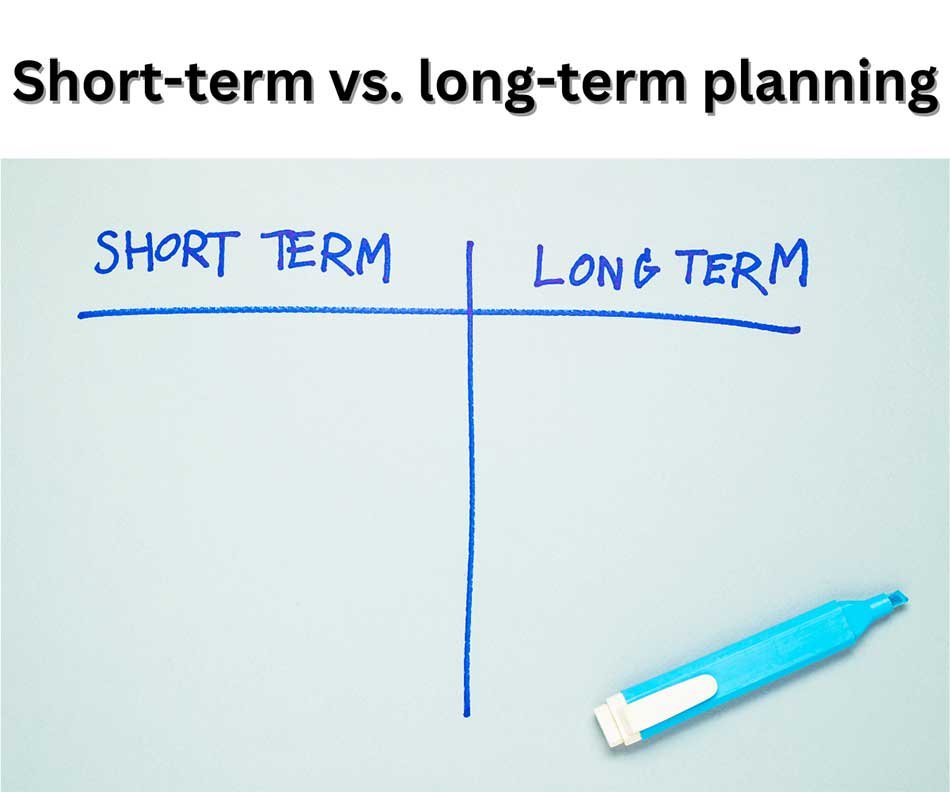
Short-term planning involves setting immediate, achievable goals that can be accomplished within days, weeks, or a few months. These plans help you stay focused and motivated in the present moment.
Benefits of Short-Term Planning:
- Builds Momentum: Completing short-term goals boosts confidence and keeps you motivated.
- Provides Focus: Helps you stay grounded and tackle daily challenges.
- Encourages Adaptability: Allows for adjustments as circumstances change.
Examples of Short-Term Goals:
- Attending a support group meeting every day for a week.
- Journaling for 10 minutes every morning.
- Preparing healthy meals for the week ahead.
- Scheduling a weekly check-in with a sponsor or trusted friend.
What Is Long-Term Planning?
Long-term planning involves setting overarching goals that may take months or even years to achieve. These plans provide a sense of direction and purpose, helping you envision the life you want to build.
Benefits of Long-Term Planning:
- Offers Vision: Keeps you motivated by reminding you of your ultimate goals.
- Encourages Growth: Helps you work toward meaningful achievements over time.
- Provides Structure: Guides your short-term plans and decisions.
Examples of Long-Term Goals:
- Earning a degree or professional certification.
- Building financial stability by paying off debts and saving money.
- Repairing and nurturing relationships with family and friends.
- Creating a fulfilling career aligned with your passions and values.
Balancing Short-Term and Long-Term Planning
Both types of planning play a critical role in sobriety. While short-term plans help you manage immediate challenges, long-term plans keep you focused on your broader aspirations. Here’s how to balance the two:
1. Start with Your Long-Term Vision
Think about where you want to be in one, five, or even ten years. Define your priorities and values. Your long-term vision will guide your short-term actions.
2. Break Long-Term Goals into Short-Term Steps
Divide your long-term goals into smaller, actionable steps. For example:
- Long-Term Goal: Save $10,000 in two years.
- Short-Term Step: Save $100 per week by cutting unnecessary expenses.
3. Adjust as Needed
Life is unpredictable. Regularly evaluate your progress and adjust your plans to reflect new priorities or challenges.
4. Celebrate Milestones
Acknowledge and reward yourself for completing short-term goals and reaching long-term milestones. This reinforces positive habits and keeps you motivated.
Strategies for Effective Planning in Sobriety
1. Set SMART Goals
Ensure your goals are:
- Specific: Clearly define what you want to achieve.
- Measurable: Include criteria to track your progress.
- Achievable: Set realistic and attainable objectives.
- Relevant: Align goals with your sobriety journey.
- Time-bound: Assign a deadline to create urgency.
2. Use a Planning Tool
Consider using a journal, calendar, or app to organize your plans and track progress.
3. Stay Connected
Share your plans with a sponsor, mentor, or support group to stay accountable and gain encouragement.
4. Reflect Regularly
Set aside time to review your progress and refine your plans. Reflection helps you stay on track and adapt to new circumstances.
Overcoming Challenges in Planning
While planning is essential, it’s not always easy. Here are some common challenges and how to overcome them:
- Procrastination: Break tasks into smaller steps to make them more manageable.
- Overwhelm: Focus on one goal at a time and prioritize your actions.
- Setbacks: Treat setbacks as learning opportunities and adjust your plans accordingly.
Picture This
Imagine looking back a year from now and seeing how far you’ve come. Your short-term plans have kept you focused each day, while your long-term vision has guided you toward meaningful achievements. You feel accomplished, confident, and excited for the future because you’ve taken control of your journey—one step at a time.
Disclaimer: This content reflects personal experiences and insights gathered over years of sobriety. It does not represent or speak on behalf of any Anonymous programs.
Share This Article
If you know someone who might benefit from understanding the importance of short-term and long-term planning in sobriety, please share this article with them. It might be the encouragement they need to take the next step in their journey.