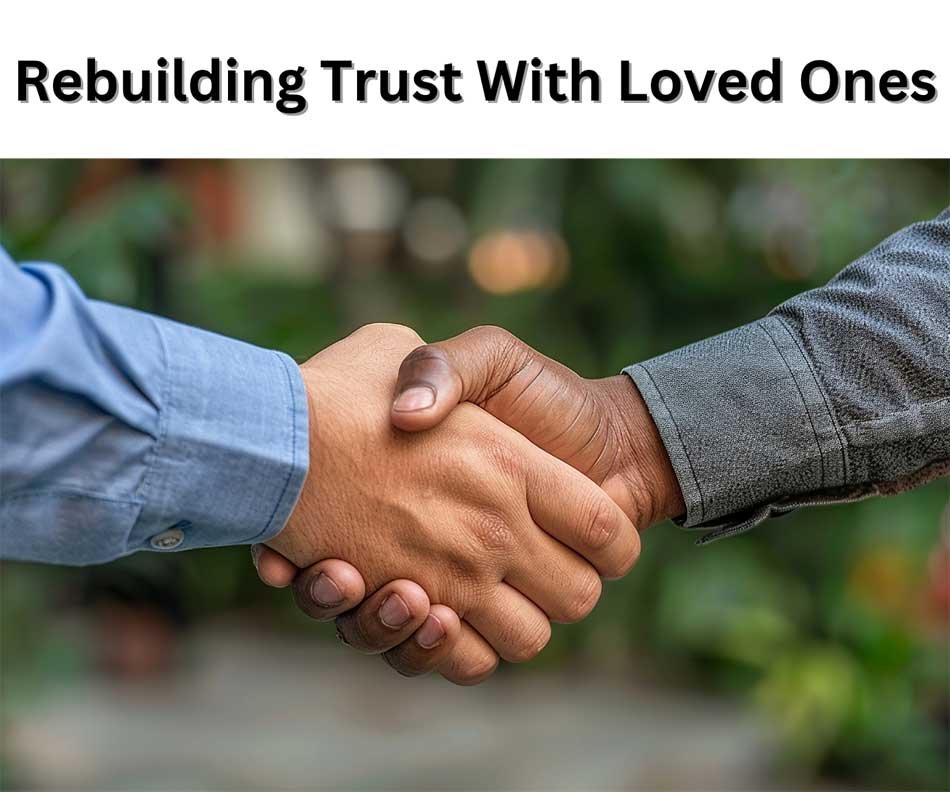
Rebuilding Trust With Loved Ones
Trust is the foundation of any meaningful relationship, and for those in recovery, rebuilding trust with loved ones can be one of the most challenging yet rewarding aspects of the journey. Addiction often damages trust, leaving behind feelings of hurt, betrayal, or doubt. However, with patience, honesty, and consistent effort, it is possible to mend broken relationships and create stronger, healthier connections.
Understanding the Importance of Rebuilding Trust
Rebuilding trust is not just about repairing the past; it’s about laying the groundwork for a future filled with mutual respect, support, and understanding. When you actively work to rebuild trust, you:
- Foster Healing: Repairing relationships helps loved ones heal from the pain caused by addiction.
- Strengthen Your Support System: Rebuilt trust creates a solid foundation for a supportive and encouraging network.
- Demonstrate Accountability: Showing you’re willing to take responsibility for your actions reinforces your commitment to sobriety.
- Enhance Your Recovery: Healthy relationships contribute to emotional stability and long-term sobriety.
Steps to Rebuilding Trust
Rebuilding trust takes time, effort, and consistency. Here are practical steps to guide you:
1. Acknowledge the Past
- Take responsibility for your actions without making excuses.
- Apologize sincerely for the hurt you may have caused.
- Be prepared to listen to your loved ones’ feelings and perspectives.
2. Be Patient
- Understand that trust takes time to rebuild; it won’t happen overnight.
- Allow your loved ones the space they need to process their emotions.
- Show patience if they express doubts or hesitations.
3. Stay Consistent
- Demonstrate reliability through your actions, not just words.
- Follow through on promises and commitments.
- Consistency over time helps rebuild credibility and trust.
4. Communicate Openly
- Be honest and transparent about your recovery journey.
- Share your progress and challenges without withholding information.
- Practice active listening to understand your loved ones’ concerns and needs.
5. Set and Respect Boundaries
- Establish healthy boundaries to protect your recovery and your relationships.
- Respect the boundaries your loved ones may set as they navigate the healing process.
- Work together to create a framework for mutual understanding and respect.
6. Seek Professional Help
- Consider family therapy or counseling to address deeper issues and improve communication.
- A neutral third party can help facilitate conversations and promote healing.
Challenges in Rebuilding Trust
Rebuilding trust is not without its challenges. Here are some common obstacles and how to navigate them:
- Lingering Doubts: Loved ones may question your intentions or sincerity. Address this by staying consistent and patient.
- Emotional Triggers: Past actions may resurface in arguments or discussions. Approach these moments with empathy and accountability.
- Slow Progress: Trust-building is a gradual process. Focus on small, meaningful steps rather than quick fixes.
Celebrating Progress
Recognize and celebrate milestones in your journey to rebuild trust. Acknowledging progress, no matter how small, can:
- Reinforce positive behaviors.
- Strengthen your commitment to recovery and healthy relationships.
- Show your loved ones that their support and patience are valued.
Picture This
Imagine sitting with a loved one, sharing a conversation filled with honesty, understanding, and mutual respect. The walls that once divided you have crumbled, replaced by a bond built on trust and care. Through consistent effort and heartfelt actions, you’ve shown your commitment to both your sobriety and your relationship. The journey wasn’t always easy, but the connection you’ve rebuilt is stronger and more meaningful than ever before.
Disclaimer: This content reflects personal experiences and insights gathered over years of sobriety. It does not represent or speak on behalf of any Anonymous programs.
Share This Article
If you know someone who could benefit from learning how to rebuild trust with their loved ones in recovery, please share this article with them. It might provide the encouragement or guidance they need to begin mending their relationships.