Alcohol-Free Living: 20 Lessons I Learned in My First Year
One year without alcohol taught me more about life, myself, and what it means to be human than decades of drinking ever did. Here are 20 lessons from 365 days of sobriety.
Introduction: The Year That Changed Everything
One year ago, I had my last drink.
I did not know it was my last drink at the time. I did not make a grand declaration or set an anniversary date. I simply woke up the next morning—sick, ashamed, exhausted in a way that went deeper than physical—and something in me finally said: enough. No more.
That was day one.
What followed was the hardest, most transformative, most unexpectedly beautiful year of my life. I lost things—drinking friends, social rituals, the escape hatch I had relied on for years. But I gained far more than I lost. I gained clarity, health, relationships, self-respect, and a life I actually want to be present for.
I am not the same person who put down the drink a year ago. I have been rebuilt—sometimes painfully, sometimes joyfully, always authentically. The lessons came slowly at first, then all at once. Some I expected; most I did not.
This article shares twenty lessons from my first year of alcohol-free living. They are personal—your journey will be different. But perhaps some of these lessons will resonate with where you are, give you hope for where you are going, or simply remind you that you are not alone on this path.
One year.
Three hundred sixty-five days.
Twenty lessons that changed my life.
Here is what I learned.
Lesson 1: The First Days Are the Hardest—But They Pass
What I Learned
The first days and weeks of sobriety felt impossible. The cravings were intense. My brain screamed for what I was denying it. I could not imagine getting through a day, let alone a year.
But the hardest part was not forever—it was a finite period that I had to survive. Each day got slightly easier. Each week, the cravings weakened. What seemed impossible in week one was merely difficult by month two and manageable by month six.
Why It Matters
If you are in the early days, know this: how you feel now is not how you will feel forever. The brain adapts. The body heals. The cravings fade. You just have to get through the beginning to discover what is on the other side.
What I Wish I Had Known
The intensity of early sobriety is temporary. Do whatever it takes to survive the first weeks—it gets better.
Lesson 2: Feelings I Was Drinking to Avoid Did Not Kill Me
What I Learned
I drank to escape feelings: anxiety, boredom, sadness, stress, loneliness, even joy that felt too big to hold sober. I believed I could not handle these feelings without alcohol’s numbing buffer.
I was wrong. In sobriety, I felt everything I had been avoiding—and I survived. The feelings came like waves, intense and sometimes overwhelming, but they passed. I did not die of feeling. I learned that emotions, even painful ones, are survivable.
Why It Matters
Many of us drink to escape feelings we believe are intolerable. Sobriety reveals the truth: feelings are not fatal. You can feel everything and still be okay.
What I Wish I Had Known
The feelings you are numbing will still be there when you stop. But you are stronger than you think, and feeling them is the path to freedom.
Lesson 3: Boredom Is a Doorway, Not a Danger
What I Learned
Early sobriety was boring. Without drinking to fill the evenings, time stretched endlessly. I did not know what to do with myself.
But boredom turned out to be a doorway. It forced me to discover what I actually enjoyed, to develop hobbies I had abandoned, to learn who I was when I was not drinking. The emptiness became space for something new.
Why It Matters
Many people drink out of boredom. Sobriety reveals that boredom is not something to escape but something to explore. What will you fill that space with?
What I Wish I Had Known
The boredom of early sobriety is temporary and purposeful. It is making room for a new life.
Lesson 4: My Drinking Was Never Really “Under Control”
What I Learned
For years, I told myself my drinking was under control. I pointed to days I did not drink as evidence. I compared myself to “real” alcoholics who were clearly worse off.
In sobriety, I saw clearly: I had never been in control. Alcohol was in control. I was just managing the chaos well enough to maintain denial. Every “controlled” period was followed by loss of control. Every rule I made, I eventually broke.
Why It Matters
The illusion of control keeps many people drinking long past when they should stop. The first year revealed that I was never driving—alcohol was.
What I Wish I Had Known
If you are constantly trying to control something, it is because it is out of control. True control does not require that much effort.
Lesson 5: Sleep Gets Worse Before It Gets Better—Then It’s Amazing
What I Learned
I thought alcohol helped me sleep. In early sobriety, sleep was terrible—restless, dream-filled, sometimes impossible. I thought I had made a mistake.
Then my sleep healed. Truly restorative sleep—the kind I had not experienced in years—returned. I woke up refreshed rather than groggy. I had energy throughout the day. The sleep I get now is incomparably better than the alcohol-induced unconsciousness I mistook for rest.
Why It Matters
Many people drink to sleep and fear sobriety will mean insomnia forever. The truth is that alcohol destroys sleep quality. Real sleep is one of sobriety’s greatest gifts—you just have to wait for it.
What I Wish I Had Known
Give it time. Sleep disruption in early sobriety is normal and temporary. True rest is coming.
Lesson 6: I Needed to Find My People
What I Learned
Some friendships were built primarily on drinking. When I stopped, those relationships faded—and that was okay. More importantly, I needed to find my people: sober friends, recovery community, people who understood this path.
The fellowship I found—in meetings, in sober communities, in friendships with others in recovery—became essential. I could not do this alone, and I did not have to.
Why It Matters
Sobriety in isolation is much harder than sobriety in community. Finding people who understand your journey—who celebrate your wins and support your struggles—makes all the difference.
What I Wish I Had Known
You do not have to do this alone. There is a whole community of people who understand. Find them.
Lesson 7: My Body Transformed in Ways I Did Not Expect
What I Learned
I expected to feel better physically. I did not expect the extent of the transformation. My face changed. My eyes cleared. My skin improved. I lost weight without trying. My digestion normalized. My energy increased. My physical appearance reflected health I did not know I had lost.
The body wants to heal. Remove the poison, and it does—remarkably, gratefully, visibly.
Why It Matters
We often do not realize how much alcohol is affecting our bodies until we stop. The physical transformation of sobriety is one of its most tangible and motivating rewards.
What I Wish I Had Known
Your body is keeping score. Sobriety pays physical dividends you cannot imagine until you experience them.
Lesson 8: Time Moved Differently
What I Learned
In sobriety, time expanded. Evenings that used to disappear in a blur now stretched out meaningfully. Weekends lasted. Mornings were available. I gained hours every day—hours I had been losing to drinking and recovering from drinking.
I also experienced time more fully. Memories stuck because I was present for them. Experiences were vivid because I was actually there.
Why It Matters
Alcohol steals time twice: the time spent drinking and the time spent recovering. Sobriety gives all that time back. What will you do with it?
What I Wish I Had Known
You have more time than you think. Sobriety will reveal hours you did not know you were losing.
Lesson 9: Not Everyone Understood—And That Was Okay
What I Learned
Some people were supportive. Some were confused. Some were uncomfortable—my not drinking seemed to make them examine their own relationship with alcohol, and that was threatening.
I learned that I did not need everyone to understand. I needed to do what was right for me, regardless of others’ reactions. The people who mattered supported me; the people who did not support me revealed where they stood.
Why It Matters
You may face resistance, confusion, or even hostility when you stop drinking. This is about them, not you. Your sobriety does not require anyone’s approval.
What I Wish I Had Known
Not everyone will celebrate your sobriety. Do it anyway. The right people will understand.
Lesson 10: I Had to Learn to Have Fun Sober
What I Learned
I had forgotten how to have fun without alcohol. Social events, celebrations, vacations—I had always added alcohol to these. Sober, I felt like I did not know what to do.
But fun sober is possible—and ultimately better. I had to relearn it like a skill. I discovered that I could laugh, dance, celebrate, and enjoy life without drinking. The fun was real rather than artificially induced.
Why It Matters
Many people fear that sobriety means the end of fun. It does not. It means learning to access joy directly rather than through a chemical intermediary.
What I Wish I Had Known
Sober fun is real fun. You just have to rediscover how to access it.
Lesson 11: The Pink Cloud Is Real—And So Is Its End
What I Learned
A few weeks in, I experienced the “pink cloud”—a period of euphoria, optimism, and almost magical well-being. I felt invincible. I thought recovery would be easy from here.
Then the pink cloud faded, and I had to do the real work. The euphoria was replaced by the ordinary challenges of building a sober life. This was harder but more sustainable than the pink cloud’s false promise of effortless recovery.
Why It Matters
If you experience a pink cloud, enjoy it—but do not trust it to last. If the pink cloud fades and things get harder, that is normal. The real work begins when the euphoria ends.
What I Wish I Had Known
The pink cloud is a gift, not a permanent state. Use it to build the foundation for when it fades.
Lesson 12: Triggers Never Fully Disappear—But They Weaken
What I Learned
Certain triggers—places, people, emotions, times of day—still create a flicker of craving even at one year. The neural pathways formed over years of drinking do not vanish completely.
But the triggers have weakened enormously. What was overwhelming at day 30 is a mild blip at day 365. I have learned to recognize triggers, prepare for them, and move through them. They no longer control me.
Why It Matters
Do not expect triggers to disappear entirely. But trust that they will weaken with time and practice. What feels impossible now will become manageable.
What I Wish I Had Known
Triggers are not forever at full strength. Each time you face one sober, you weaken its power.
Lesson 13: I Discovered Who I Actually Am
What I Learned
I had been drinking since adolescence. I did not really know who I was without alcohol. Sobriety forced me to find out.
I discovered my actual preferences, my real interests, my genuine personality without the distortion of drinking. Some of what I found, I liked. Some of it needed work. But it was real—authentically me rather than a performance or a blur.
Why It Matters
Many people who start drinking young never discover who they are sober. Recovery is not just about stopping drinking; it is about discovering who you are without it.
What I Wish I Had Known
You might meet a stranger in sobriety—yourself. Give yourself time to get acquainted.
Lesson 14: My Relationships Got Better (Mostly)
What I Learned
The relationships that mattered deepened. My partner, my family, my close friends—they got a better version of me. More present, more reliable, more emotionally available. Trust rebuilt slowly but genuinely.
Some relationships did not survive. Drinking buddies faded. People who preferred the drunk me revealed that preference. This was painful but clarifying.
Why It Matters
Sobriety does not just improve you; it improves your relationships. The people who matter get more of you. The relationships that fade reveal what they were built on.
What I Wish I Had Known
Sobriety will sort your relationships. Some will deepen; some will end. Both are okay.
Lesson 15: I Saved an Absurd Amount of Money
What I Learned
I knew drinking was expensive, but I did not track it. In sobriety, I saw clearly: the drinks, the drunk food, the Ubers because I could not drive, the impulse purchases while impaired—it was hundreds of dollars every month.
That money now goes to things that actually improve my life: savings, experiences, investments in my health and future. The financial clarity of sobriety was an unexpected bonus.
Why It Matters
Drinking is expensive in ways we often do not acknowledge. Sobriety is not just good for your health; it is good for your wallet.
What I Wish I Had Known
Track what you spend on alcohol and its related costs. The number will shock you—and motivate you.
Lesson 16: I Had to Develop Actual Coping Skills
What I Learned
Alcohol was my coping skill. Stressed? Drink. Anxious? Drink. Sad? Drink. Celebrating? Drink. I had one tool, and I used it for everything.
In sobriety, I had to develop actual coping skills: exercise, meditation, talking to people, journaling, breathing techniques, healthy distraction. Building this toolkit was hard work, but now I have multiple ways to handle life that do not involve poison.
Why It Matters
Many of us used alcohol as our primary (or only) coping mechanism. Sobriety requires building new skills. This is difficult but leaves you better equipped for life.
What I Wish I Had Known
You will need new tools. Start building your coping toolkit early—you will use it forever.
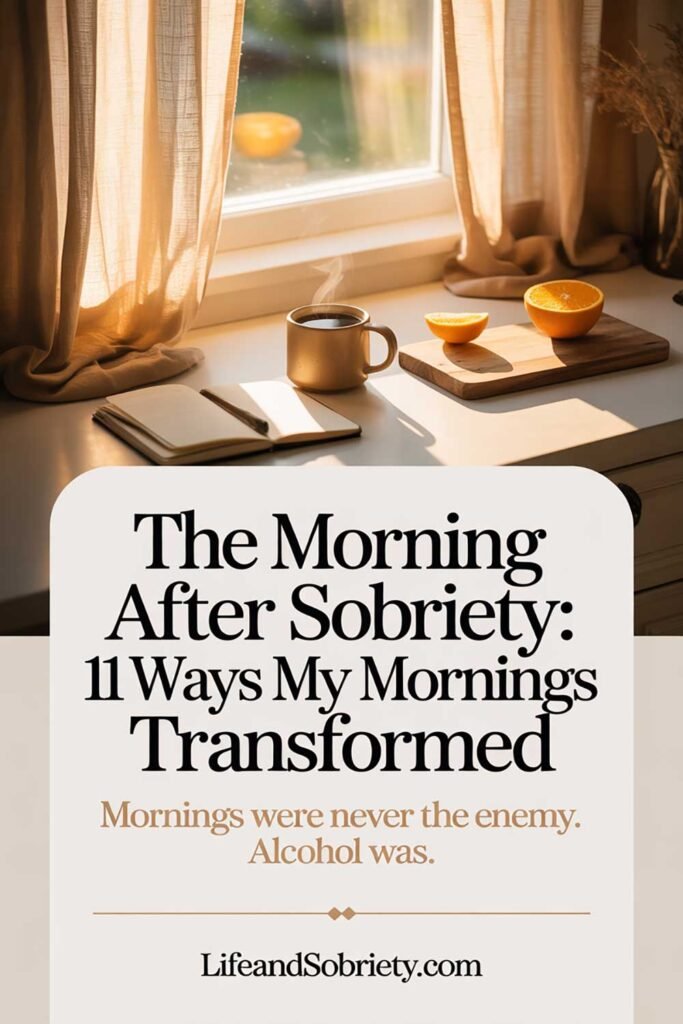
Lesson 17: Mornings Became My Favorite Time
What I Learned
I used to dread mornings—groggy, hungover, anxious about what I did or said the night before. Mornings were for recovering from the night before, not for living.
In sobriety, mornings transformed. I wake up clear, rested, capable. I have energy for exercise, for planning, for presence. Morning became my favorite time of day—a complete reversal from my drinking life.
Why It Matters
The way you start your day shapes everything that follows. Sober mornings are a gift you give yourself every single day.
What I Wish I Had Known
Mornings without hangovers are not just tolerable—they can become the best part of your day.
Lesson 18: One Day at a Time Is Not Just a Slogan
What I Learned
“One day at a time” sounded like a cliché. But in practice, it was the only way I survived.
When I thought about never drinking again, I was overwhelmed. When I thought about not drinking just today, I could do it. Stacking days one at a time got me to 365. The slogan is wisdom distilled into simplicity.
Why It Matters
Do not think about forever. Think about today. Today is manageable. String enough todays together, and you have a sober life.
What I Wish I Had Known
The clichés of recovery are clichés because they work. Do not dismiss them—use them.
Lesson 19: I Learned to Be Proud of Myself
What I Learned
For years, I felt chronic shame—shame about my drinking, shame about my failures, shame about who I was. Sobriety allowed me to build something I could be proud of.
Each sober day was an accomplishment. Each milestone was evidence that I could do hard things. For the first time in years, I felt genuine self-respect—not arrogance, not performance, but authentic pride in showing up for my own life.
Why It Matters
Shame keeps many people drinking. Sobriety builds the self-respect that shame destroyed.
What I Wish I Had Known
You deserve to be proud of your sobriety. It is one of the hardest and most valuable things you can do.
Lesson 20: This Is Just the Beginning
What I Learned
At one year, I thought I would feel “arrived.” I thought recovery would be complete. Instead, I realized that sobriety is not a destination—it is a foundation for the rest of my life.
The work continues. The growth continues. The life I am building is still under construction. But now I am building it clear-eyed, present, and free. The best is not behind me—it is ahead.
Why It Matters
Sobriety is not an ending; it is a beginning. The life you build sober can be beyond what you imagined while drinking.
What I Wish I Had Known
One year is a milestone, not a finish line. Keep going. The best is yet to come.
20 Powerful Quotes for the Sober Journey
1. “Sobriety delivers everything alcohol promised.” — Unknown
2. “Recovery is not for people who need it. It’s for people who want it.” — Unknown
3. “The first step toward getting somewhere is to decide you’re not going to stay where you are.” — J.P. Morgan
4. “One day at a time.” — Alcoholics Anonymous
5. “I understood myself only after I destroyed myself. And only in the process of fixing myself, did I know who I really was.” — Sade Andria Zabala
6. “Rock bottom became the solid foundation on which I rebuilt my life.” — J.K. Rowling
7. “Recovery is about progression, not perfection.” — Unknown
8. “The opposite of addiction is not sobriety. The opposite of addiction is connection.” — Johann Hari
9. “I am not what happened to me. I am what I choose to become.” — Carl Jung
10. “Every morning is a fresh beginning. Every day is the world made new.” — Sarah Ban Breathnach
11. “What lies behind us and what lies before us are tiny matters compared to what lies within us.” — Ralph Waldo Emerson
12. “Fall seven times, stand up eight.” — Japanese Proverb
13. “The only impossible journey is the one you never begin.” — Tony Robbins
14. “You can’t go back and change the beginning, but you can start where you are and change the ending.” — C.S. Lewis
15. “The comeback is always stronger than the setback.” — Unknown
16. “It does not matter how slowly you go as long as you do not stop.” — Confucius
17. “We cannot solve our problems with the same thinking we used when we created them.” — Albert Einstein
18. “The only person you are destined to become is the person you decide to be.” — Ralph Waldo Emerson
19. “Recovery gave me back my life. I got back everything I lost and more.” — Unknown
20. “This is not the end. This is the beginning of the rest of your life.” — Unknown
Picture This
Close your eyes and imagine yourself one year from now.
One year sober.
You wake up—clear-headed, as you have every morning for 365 days. The fog you used to accept as normal has been lifted for so long that you barely remember it. Your eyes are clear in the mirror. Your face looks like you again.
You think back to the person you were a year ago—scared, skeptical, wondering if you could really do this. You want to reach back through time and tell that person: you can. You will. And it will be better than you imagine.
The year held struggles you did not expect. Moments when cravings roared. Nights when you did not know what to do with yourself. Social situations that felt awkward without the crutch. But you made it through every single one of them—sometimes white-knuckling, sometimes gracefully, always sober.
And the year held gifts you did not expect either. Energy you forgot you could have. Relationships rebuilt. Money saved. Time reclaimed. A self-respect that shame had stolen long ago. Mornings that feel like beginnings rather than punishments.
You have learned things you could not have learned while drinking. About yourself, about life, about what you are capable of when you are not poisoning yourself. You have developed skills, built community, found meaning.
Looking back at the year, you do not recognize the person who started it. You have been transformed—not into someone else, but into yourself. The self that was always there, buried under alcohol’s haze, has finally emerged.
And now, looking ahead, you see something you could not see before: a future. A real one. Built on the foundation of this year, expanding into possibilities that did not exist while you were drinking.
One year was just the beginning.
The rest of your life is waiting.
Share This Article
Someone in your life might need to see what is possible. Share this article to show them.
Share with someone considering sobriety. These lessons might help them decide.
Share with someone newly sober. Let them know what is coming—good and hard.
Share with anyone who loves someone in recovery. Help them understand the journey.
Your share could be the hope someone needs to keep going.
Use the share buttons below to spread first-year lessons!
Disclaimer
This article is provided for informational, educational, and supportive purposes only. It represents one person’s experience. Your journey will be different.
If you are struggling with alcohol, please seek support from qualified professionals and evidence-based treatment programs. This article is not a substitute for medical advice or treatment.
Alcohol withdrawal can be dangerous. If you are a heavy drinker considering stopping, please consult with a healthcare provider about safe withdrawal.
Resources include: SAMHSA’s National Helpline (1-800-662-4357), Alcoholics Anonymous (aa.org), SMART Recovery (smartrecovery.org), and local treatment providers.
If you are in crisis, please contact emergency services or the 988 Suicide and Crisis Lifeline (call or text 988).
The author and publisher make no representations or warranties regarding the accuracy, completeness, or applicability of the information contained herein. By reading this article, you agree that the author and publisher shall not be held liable for any damages, claims, or losses arising from your use of or reliance on this content.
Your first year is waiting. It will change everything.