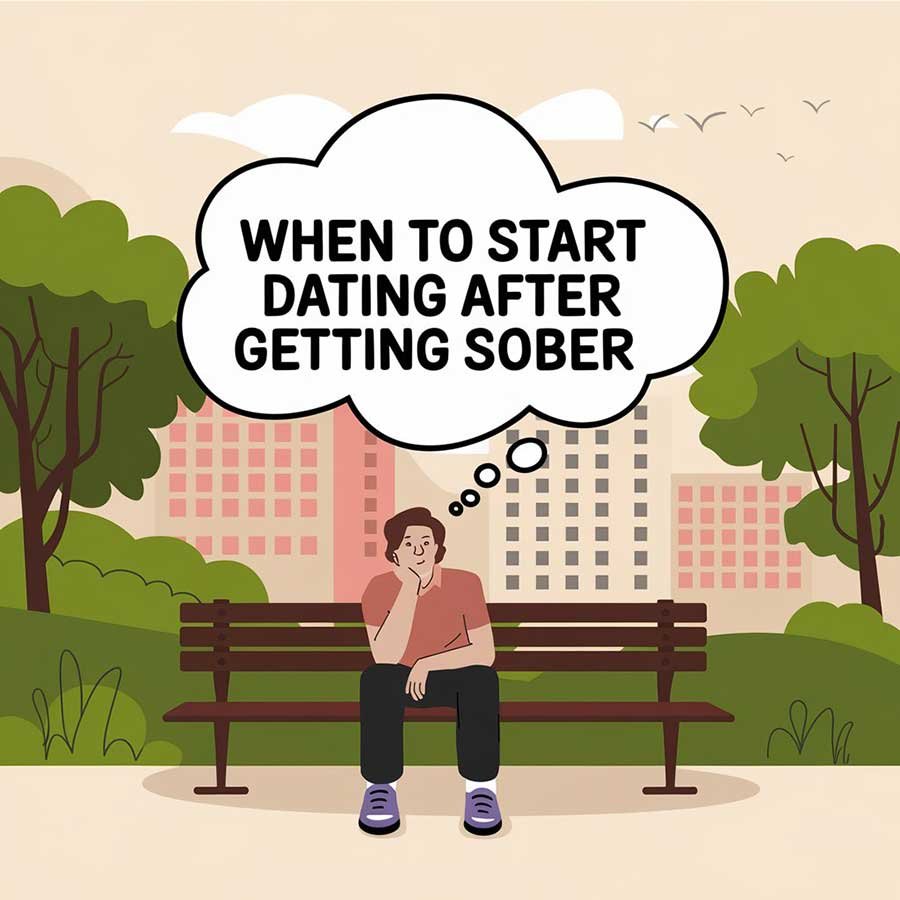
When to Start Dating After Getting Sober
Deciding when to start dating after getting sober is an important milestone in recovery. While relationships can offer companionship and support, they can also introduce emotional challenges that might test your sobriety. Knowing when you’re ready and how to approach dating in a healthy way can make a significant difference in maintaining your well-being.
Why Timing Matters
Jumping into a romantic relationship too soon after getting sober can lead to potential setbacks, including:
- Emotional instability: Early recovery is a time for self-discovery and healing, which requires emotional stability before adding a partner into the mix.
- Risk of codependency: Relationships can become a replacement for substances, leading to unhealthy emotional reliance.
- Increased stress: Dating can bring emotional highs and lows that might trigger old coping mechanisms.
- Distraction from recovery: Focusing too much on a relationship may shift attention away from maintaining sobriety.
How Long Should You Wait?
While there is no universal rule, many addiction recovery programs, including Alcoholics Anonymous (AA), suggest waiting at least one year before pursuing a romantic relationship. This time frame allows you to:
- Build a strong foundation in recovery.
- Develop emotional resilience and self-awareness.
- Learn to manage stress and emotions in healthy ways.
- Establish a fulfilling life that doesn’t depend on external validation.
If you’re unsure whether you’re ready, consider discussing it with a sponsor, therapist, or support group.
Signs You May Be Ready to Date
Before getting into a relationship, it’s essential to assess your emotional and mental state. You might be ready to date if you:
- Feel emotionally stable and can handle stress without substances.
- Have a solid support system that includes friends, family, or a recovery group.
- Know your triggers and have strategies to manage them.
- Are comfortable being alone and don’t feel the need for a partner to feel complete.
- Can set and maintain boundaries in relationships.
- Have built self-confidence and self-worth outside of external validation.
Things to Consider Before Dating
If you feel ready to explore relationships, here are a few key factors to keep in mind:
1. Be Honest About Your Sobriety
- Decide when and how to disclose your sobriety to a potential partner.
- Be upfront about your lifestyle and boundaries.
- A supportive partner will respect and encourage your commitment to sobriety.
2. Avoid High-Risk Dating Situations
- Choose activities and venues that don’t involve alcohol or drugs.
- Avoid dating people who actively use substances that could jeopardize your recovery.
3. Take It Slow
- Rushing into a relationship can lead to emotional instability.
- Focus on getting to know the person gradually.
- Keep personal growth and recovery as top priorities.
4. Maintain Independence
- Ensure that your sense of happiness and stability does not depend on your partner.
- Continue prioritizing self-care, hobbies, and social connections outside of the relationship.
5. Stay Connected to Your Support System
- Check in regularly with a sponsor, therapist, or support group.
- Seek guidance if you experience relationship challenges.
- Remember that your recovery should always come first.
When Dating Becomes a Risk to Sobriety
If dating starts negatively affecting your recovery, it’s important to recognize the warning signs:
- You begin neglecting recovery meetings or therapy sessions.
- Your emotional well-being is highly dependent on the relationship.
- Relationship conflicts trigger urges to drink or use.
- You compromise your sobriety boundaries to accommodate your partner.
If any of these occur, it may be necessary to take a step back and refocus on self-care and recovery.
Alternatives to Dating in Early Recovery
If you’re not ready to date but still want meaningful social connections, consider:
- Building strong friendships within the recovery community.
- Engaging in hobbies and social activities that promote self-growth.
- Volunteering or participating in group activities that align with your values.
Picture This
Imagine feeling completely at peace with yourself, confident in your recovery, and fulfilled in your personal life before bringing a romantic partner into the equation. When you do start dating, it’s on your terms, with clear boundaries and a deep understanding of what makes you happy. Your sobriety remains intact, and your relationship enhances—not threatens—your well-being. That’s what dating in recovery should feel like.
Please Share This Article
If you found this article helpful, please share it with others who may be wondering when to start dating after getting sober.