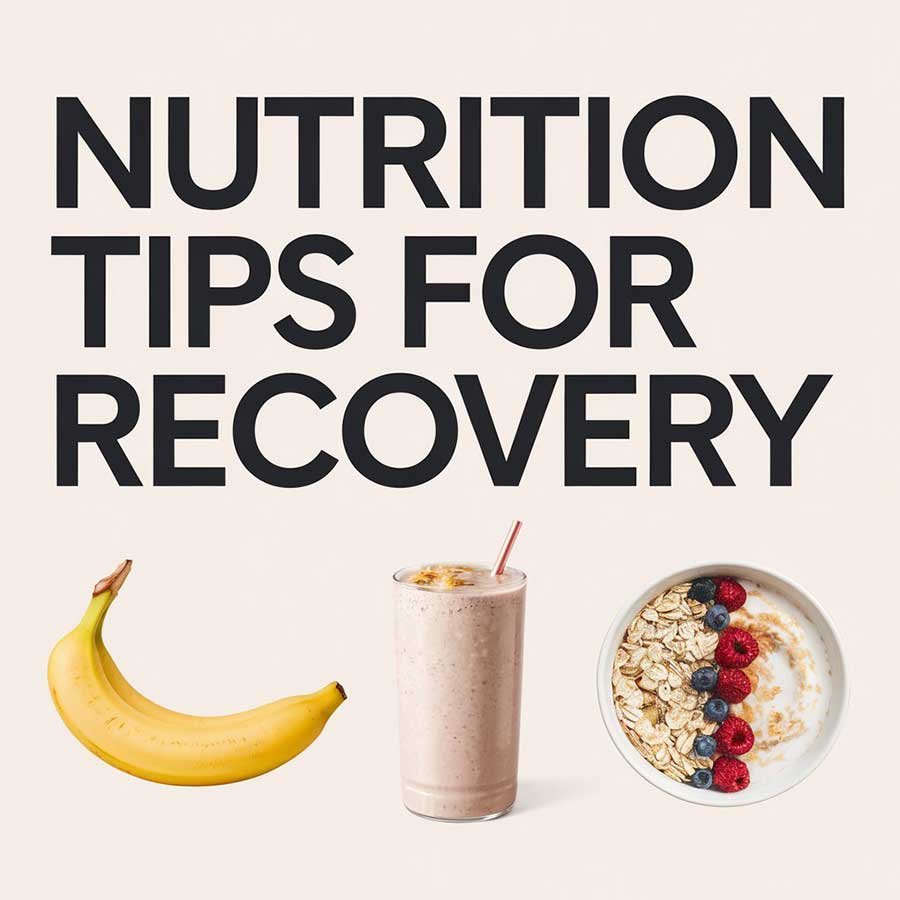
Nutrition Tips for Recovery
Proper nutrition plays a vital role in the recovery process, helping to repair the body, stabilize mood, and boost overall well-being. Substance use often leads to nutritional deficiencies, weakened immune function, and digestive issues. By prioritizing a healthy diet, you can support both your physical and mental health in sobriety.

How Nutrition Supports Recovery
- Restores essential vitamins and minerals lost due to substance use.
- Stabilizes blood sugar levels, reducing mood swings and cravings.
- Improves digestion and gut health, aiding in nutrient absorption.
- Boosts energy levels, helping combat fatigue in early recovery.
- Supports brain function, enhancing mental clarity and emotional stability.
Essential Nutrients for Recovery
1. Protein for Tissue Repair and Brain Health
- Helps rebuild muscle and tissue damaged by substance use.
- Provides amino acids that support neurotransmitter production.
- Sources: Lean meats, eggs, fish, beans, lentils, tofu, and nuts.
2. Healthy Fats for Brain Function
- Essential for cognitive function and mood regulation.
- Helps reduce inflammation and support heart health.
- Sources: Avocados, olive oil, nuts, seeds, and fatty fish (salmon, sardines).
3. Complex Carbohydrates for Sustained Energy
- Helps balance blood sugar levels and prevent cravings.
- Provides fiber for digestive health.
- Sources: Whole grains (brown rice, quinoa, oats), legumes, fruits, and vegetables.
4. Vitamins and Minerals for Recovery
- B Vitamins: Help boost energy, reduce stress, and improve mood (sources: whole grains, leafy greens, dairy, eggs).
- Vitamin C: Strengthens the immune system and aids in detoxification (sources: citrus fruits, bell peppers, strawberries).
- Magnesium: Supports relaxation, sleep, and muscle function (sources: nuts, seeds, spinach, dark chocolate).
- Zinc: Promotes immune health and tissue repair (sources: shellfish, pumpkin seeds, beef, lentils).
5. Hydration for Detox and Recovery
- Water flushes toxins, aids digestion, and improves skin health.
- Herbal teas and electrolyte-rich drinks (coconut water, bone broth) help replenish lost minerals.
- Aim for at least 8-10 glasses of water per day.
Foods to Avoid in Recovery
Certain foods can trigger cravings, disrupt mood balance, or slow down recovery:
- Processed Sugars: Can cause blood sugar spikes and crashes, leading to mood swings.
- Caffeine: May increase anxiety and disrupt sleep patterns.
- Highly Processed Foods: Contain additives and unhealthy fats that can hinder healing.
- Excessive Salt: Can contribute to dehydration and high blood pressure.
- Artificial Sweeteners: May affect gut health and increase cravings for sweets.
Meal Planning Tips for a Healthy Recovery Diet
- Plan balanced meals with protein, healthy fats, and complex carbs.
- Prep meals in advance to avoid impulsive eating choices.
- Incorporate colorful fruits and vegetables for a variety of nutrients.
- Snack smart with nuts, yogurt, or hummus instead of processed snacks.
- Listen to your body and eat mindfully to recognize hunger and fullness cues.
Supplements for Recovery
While whole foods should be the main source of nutrients, supplements can help fill in nutritional gaps. Talk to a healthcare provider before taking any supplements, but commonly recommended ones include:
- Multivitamins to support overall health.
- Omega-3 fatty acids for brain and heart health.
- Probiotics for digestive and gut health.
- Vitamin D for immune function and mood balance.
Long-Term Nutrition Habits for Sustained Recovery
- Make gradual changes to create sustainable eating habits.
- Stay consistent with balanced meals and healthy snacks.
- Cook more meals at home to control ingredients and portion sizes.
- Keep a food journal to track how certain foods impact mood and energy levels.
- Stay connected with a nutritionist or support group for accountability.
Picture This
Imagine waking up with renewed energy, mental clarity, and a sense of balance in your body. Your digestion is smooth, your skin is glowing, and your mood remains stable throughout the day. You no longer rely on substances for energy or comfort because your body is nourished with the right foods. Every meal you eat fuels your recovery, making you stronger and healthier every day.
Please Share This Article
If this article helped you, please share it with others who are looking to improve their nutrition in recovery.