Mental Health Challenges in Sobriety
Achieving sobriety is a transformative journey, but it comes with unique mental health challenges. Substance use often masks underlying emotional struggles, and once sober, individuals must confront these issues head-on. Understanding and managing mental health in sobriety is crucial for long-term well-being and relapse prevention.

Common Mental Health Challenges in Sobriety
1. Anxiety and Depression
- Substance use often numbs emotions, and sobriety can bring unresolved feelings to the surface.
- Anxiety may increase as individuals navigate social situations, stress, and self-doubt.
- Depression can emerge due to chemical imbalances or feelings of loss after giving up substances.
2. Cravings and Triggers
- Psychological cravings can persist long after physical withdrawal has ended.
- Triggers—people, places, or situations associated with past substance use—can lead to emotional distress.
- Learning coping mechanisms helps manage these urges effectively.
3. Loneliness and Social Isolation
- Many social activities may have revolved around substance use, leading to a sense of disconnection.
- Fear of judgment or misunderstanding from others can make it difficult to rebuild relationships.
- Engaging in sober communities and support groups can help combat isolation.
4. Shame and Guilt
- Reflecting on past mistakes or harm caused by substance use can lead to feelings of guilt.
- It’s important to practice self-compassion and focus on personal growth rather than dwelling on the past.
- Therapy and peer support can help address these emotions in a healthy way.
5. Mood Swings and Emotional Instability
- The brain takes time to rebalance neurotransmitters affected by substance use.
- Emotional highs and lows are common in early sobriety as the body adjusts.
- Mindfulness, exercise, and proper nutrition can help stabilize mood.
6. Identity and Self-Esteem Issues
- Many people in recovery struggle with finding a sense of purpose or redefining their identity without substances.
- Building new hobbies, goals, and positive relationships can help foster self-worth.
- Therapy can assist in self-exploration and personal development.
7. Stress and Overwhelm
- Coping with life’s challenges without substances can feel overwhelming.
- Developing healthy stress management techniques, such as meditation or journaling, is crucial.
- Setting realistic goals and prioritizing self-care can ease feelings of pressure.
Strategies to Manage Mental Health in Sobriety
1. Seek Professional Support
- Therapy, whether individual or group-based, can help address underlying mental health conditions.
- Cognitive Behavioral Therapy (CBT) and other evidence-based treatments are effective in managing anxiety and depression.
- Medication may be necessary in some cases and should be discussed with a healthcare provider.
2. Build a Strong Support System
- Engage with recovery groups such as Alcoholics Anonymous (AA), SMART Recovery, or other sober communities.
- Surround yourself with supportive friends and family who respect your sobriety journey.
- Don’t hesitate to reach out for help when struggling.
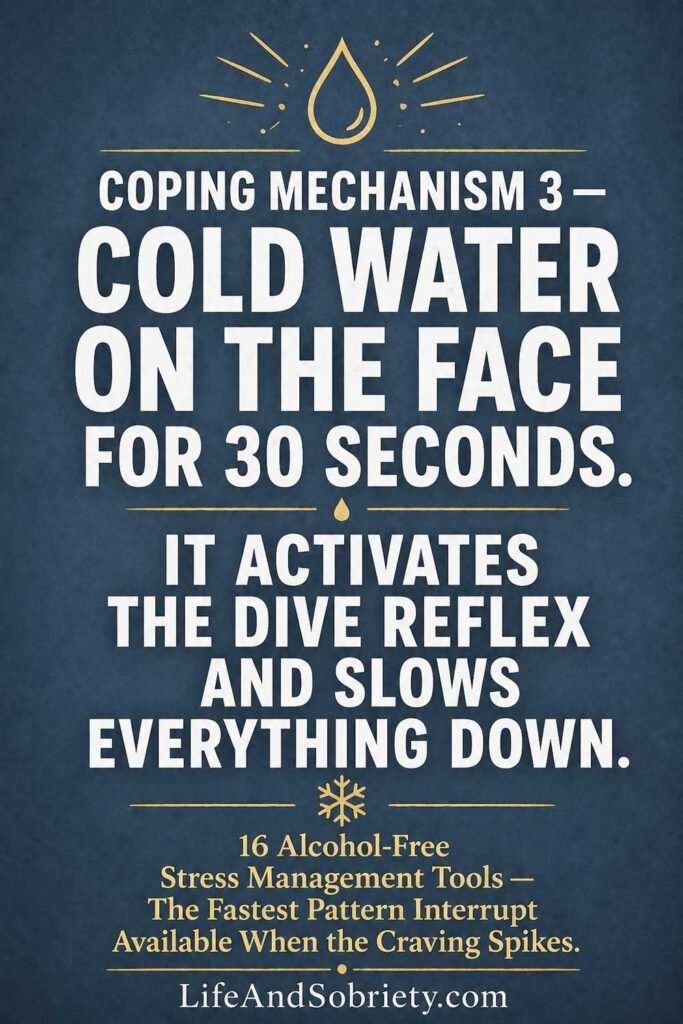
3. Develop Healthy Coping Mechanisms
- Practice mindfulness and meditation to stay present and manage stress.
- Engage in physical activities like yoga, walking, or strength training to boost mental well-being.
- Keep a journal to track emotions, triggers, and progress in recovery.
4. Create a Routine and Set Goals
- Structure and stability help maintain mental balance in sobriety.
- Set small, achievable goals to build confidence and self-worth.
- Include activities that bring joy and fulfillment in daily life.
5. Prioritize Self-Care
- Ensure adequate sleep, healthy nutrition, and hydration to support brain health.
- Engage in activities that promote relaxation, such as reading, music, or creative arts.
- Learn to say no and set boundaries to protect your mental well-being.
When to Seek Professional Help
If mental health struggles become overwhelming, seeking professional support is crucial. Signs that additional help may be needed include:
- Persistent feelings of hopelessness or severe depression.
- Intense anxiety or panic attacks.
- Suicidal thoughts or self-harm tendencies.
- Difficulty managing daily life due to emotional distress.
Picture This
Imagine waking up each day with clarity and peace of mind. You navigate challenges with resilience, knowing that you have the tools and support to maintain your sobriety. Instead of turning to substances, you embrace healthy coping strategies, engage in fulfilling activities, and surround yourself with people who uplift and encourage you. Every day, you grow stronger, proving to yourself that recovery is possible and that mental well-being is within reach.
Please Share This Article
If this article helped you, please share it with others who may be navigating mental health challenges in sobriety.