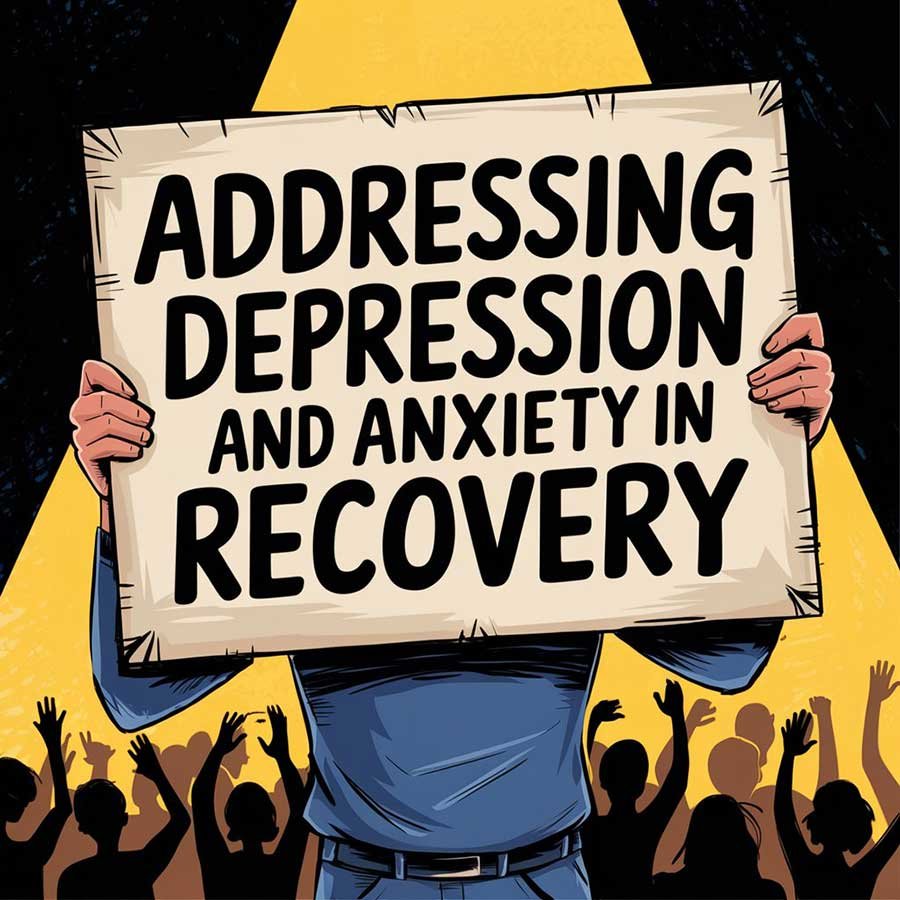
Addressing Depression and Anxiety in Recovery
Depression and anxiety are common mental health challenges faced by individuals in recovery. While sobriety brings clarity and healing, it also requires confronting emotions that may have been numbed by substance use. Learning how to manage these feelings in a healthy way is crucial for long-term recovery and well-being.
Why Depression and Anxiety Occur in Recovery
1. Chemical Imbalance and Brain Healing
- Substance use alters brain chemistry, and in early sobriety, the brain works to rebalance neurotransmitters.
- This adjustment period can lead to feelings of depression, anxiety, and emotional instability.
2. Facing Suppressed Emotions
- Substances often mask pain, trauma, or stress.
- In sobriety, unresolved emotions surface and need to be processed in a healthy way.
3. Stress of Lifestyle Changes
- Letting go of past habits and relationships can feel overwhelming.
- Adjusting to a new sober lifestyle may come with uncertainty and fear.
4. Social and Environmental Factors
- Changes in social circles, work life, and daily routines can trigger anxiety.
- Feelings of isolation may arise if old friendships revolved around substance use.
Strategies to Manage Depression and Anxiety in Recovery
1. Seek Professional Help
- Therapy, including Cognitive Behavioral Therapy (CBT), can help reframe negative thought patterns.
- Medication may be necessary for some individuals; consult a healthcare provider for guidance.
- Support groups offer shared experiences and encouragement.
2. Establish a Routine
- Structure and stability help reduce feelings of anxiety and unpredictability.
- Prioritize self-care, including balanced nutrition, exercise, and sleep.
3. Engage in Physical Activity
- Exercise releases endorphins, which naturally combat depression and stress.
- Activities such as yoga, walking, or strength training promote both mental and physical well-being.
4. Practice Mindfulness and Meditation
- Deep breathing exercises and guided meditation can help reduce anxiety.
- Staying present in the moment prevents overthinking and worry.
5. Build a Support System
- Connect with sober friends, family, or mentors who encourage your recovery journey.
- Join recovery groups like Alcoholics Anonymous (AA) or SMART Recovery.
6. Express Your Emotions
- Journaling allows you to process thoughts and feelings without judgment.
- Creative outlets such as music, art, or writing can serve as therapeutic tools.
7. Avoid Isolation
- Stay socially engaged by attending meetings, joining a club, or volunteering.
- Reach out for help when feelings of loneliness or despair arise.
When to Seek Additional Help
If depression and anxiety persist or worsen, professional intervention may be necessary. Signs that indicate the need for further support include:
- Persistent hopelessness or thoughts of self-harm.
- Severe panic attacks or overwhelming anxiety.
- Difficulty maintaining daily responsibilities due to emotional distress.
Picture This
Imagine waking up with a sense of calm and clarity, knowing that you have the tools to manage your emotions. Instead of turning to substances, you embrace healthier coping mechanisms—whether it’s a morning meditation, a supportive conversation with a friend, or a workout that lifts your mood. Each day, you grow stronger in your ability to face challenges, proving to yourself that recovery is about healing, not just abstinence.
Please Share This Article
If this article helped you, please share it with others who may be struggling with depression and anxiety in recovery.