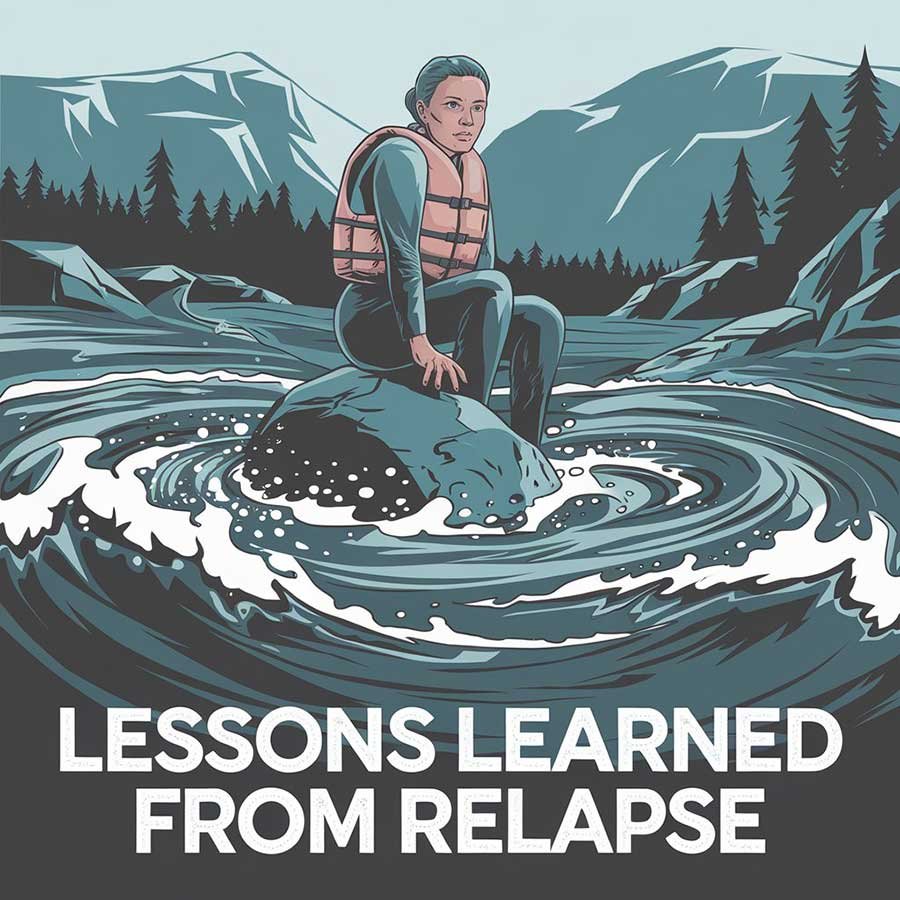
Lessons Learned From Relapse
Relapse is often seen as a setback, but it can also be a powerful learning experience. Many people in recovery face relapse at some point, and rather than seeing it as failure, it can be used as an opportunity for growth and deeper self-awareness. By examining the lessons learned from relapse, individuals can strengthen their commitment to sobriety and develop strategies to prevent future setbacks.

1. Relapse Is Not Failure
One of the most important lessons to understand is that relapse does not mean failure. Many people in recovery experience relapse, and it does not erase the progress made. What matters most is how one responds to it.
Key Takeaways:
- A relapse does not define your journey.
- Recovery is a process, not a single event.
- Use relapse as a stepping stone to strengthen your sobriety.
2. Identify Triggers and Warning Signs
Relapse often happens in stages, starting with emotional and mental distress before leading to physical relapse. Recognizing the warning signs can help prevent a future relapse.
Common Triggers:
- Stress and anxiety
- Isolation and loneliness
- Overconfidence in recovery
- Exposure to old habits, places, or people
- Unresolved emotional pain or trauma
Strategies for Prevention:
- Maintain a strong support system.
- Develop healthy coping mechanisms.
- Create a relapse prevention plan with a sponsor or therapist.
3. The Importance of a Support System
Many people who relapse recognize that they may have isolated themselves or stopped attending meetings, therapy, or reaching out for help. Recovery thrives on connection.
How to Strengthen Your Support System:
- Regularly attend support group meetings.
- Keep in touch with a sponsor or accountability partner.
- Be open and honest with trusted friends and family.
4. Self-Compassion is Essential
Beating yourself up over relapse only makes recovery harder. Learning to forgive yourself and approach setbacks with self-compassion is crucial.
Ways to Practice Self-Compassion:
- Acknowledge your progress, even if there was a setback.
- Speak to yourself as you would a friend in the same situation.
- Focus on moving forward rather than dwelling on the past.
5. Strengthening Coping Skills
Relapse often happens when people revert to old, unhealthy coping mechanisms. Finding healthier ways to manage emotions and stress is key to long-term sobriety.
Healthy Coping Strategies:
- Exercise or engage in physical activity.
- Practice mindfulness and meditation.
- Engage in hobbies and creative activities.
- Develop a daily self-care routine.
6. Making Adjustments to Your Recovery Plan
A relapse can highlight gaps in a recovery plan. Use this experience to refine your approach and make necessary adjustments.
Questions to Ask Yourself:
- What was missing from my recovery plan?
- How can I better prepare for triggers?
- What new habits can I implement to strengthen my sobriety?
7. Relapse Can Lead to Stronger Commitment
Many individuals who relapse come back stronger, with a deeper commitment to sobriety. The key is using the experience as a learning opportunity rather than a reason to give up.
Turning Relapse Into Growth:
- Use relapse as motivation to work harder on recovery.
- Identify what worked well before and build on it.
- Set new, realistic goals for sobriety and personal growth.
Picture This
Imagine a moment of relapse, where old habits momentarily take over. At first, there’s guilt and frustration, but instead of staying stuck, you choose to learn from it. You analyze what led to it, adjust your recovery plan, and reconnect with your support system. With renewed strength, you move forward, more committed than ever to living a fulfilling, sober life.
Please Share This Article
If this article helped you, please share it with others who may be struggling with relapse. Together, we can support each other on the path to lasting recovery.