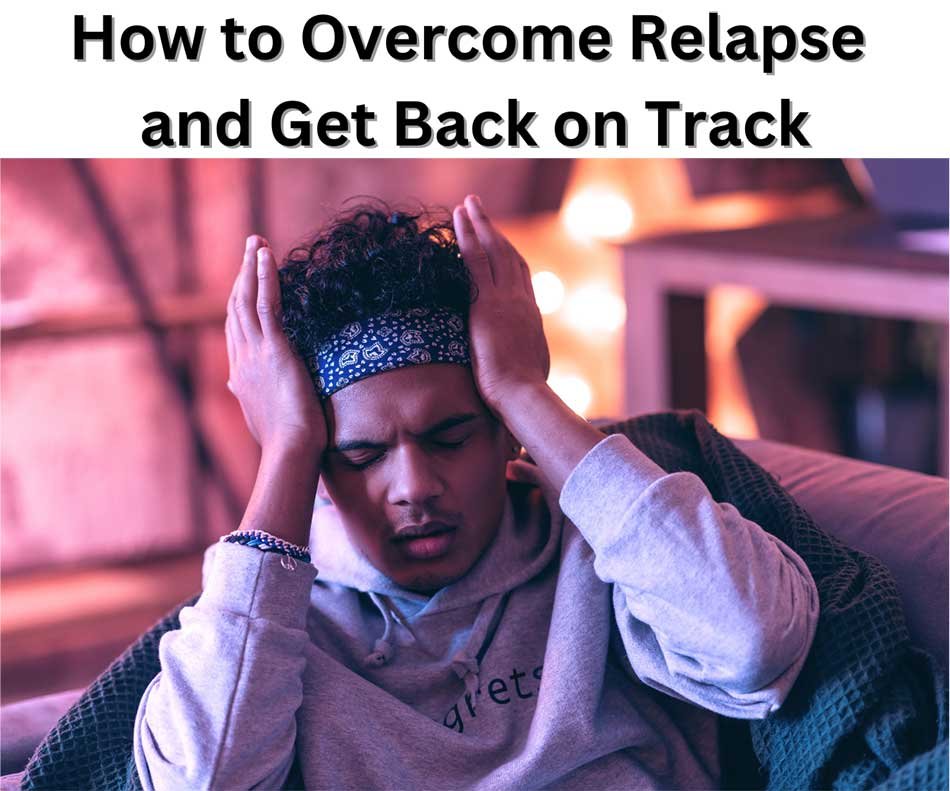
How to Overcome Relapse and Get Back on Track
Relapse is a common part of the recovery journey, and while it can feel disheartening, it’s not the end of your story. What matters most is how you respond and use the experience to strengthen your commitment to sobriety. With the right mindset, support, and strategies, you can overcome relapse and continue building a healthier, substance-free life.

Understanding Relapse
Relapse doesn’t mean failure. It’s a temporary setback that provides valuable insights into the challenges you face in recovery.
Common Causes of Relapse:
- Stress: Emotional or physical stress can trigger cravings.
- Triggers: Certain people, places, or situations associated with past substance use.
- Complacency: Believing you no longer need to focus on recovery.
- Unaddressed Issues: Underlying mental health conditions or unresolved trauma.
Steps to Overcome Relapse
1. Acknowledge What Happened
- Accept the situation without judgment or self-blame.
- Recognize that relapse is a learning opportunity, not a reflection of your worth.
- Remind yourself of the progress you’ve made and that you can continue moving forward.
2. Reach Out for Support
- Contact your sponsor, therapist, or a trusted friend to discuss what happened.
- Attend a recovery group meeting to reconnect with your support network.
- Share your experience openly and honestly to gain perspective and encouragement.
3. Reflect and Identify Triggers
- Journaling can help you understand the circumstances that led to the relapse.
- Ask yourself:
- What emotions or situations triggered the relapse?
- Were there specific thoughts or behaviors that contributed?
- What changes can you make to prevent it in the future?
Creating a Plan to Get Back on Track
1. Revisit Your Recovery Goals
- Reflect on why you chose sobriety and what you hope to achieve.
- Write down your goals and keep them visible as a reminder of your commitment.
2. Strengthen Your Sobriety Plan
- Review your existing recovery plan and identify areas for improvement.
- Add strategies to address new challenges or triggers.
- Consider adjusting your daily routine to incorporate more structure and support.
3. Focus on Self-Care
- Prioritize activities that support your physical, emotional, and mental well-being:
- Eat a balanced diet and stay hydrated.
- Exercise regularly to boost mood and energy.
- Practice mindfulness or meditation to manage stress.
Learning from Relapse
Relapse can teach you valuable lessons that strengthen your recovery moving forward. Use the experience to:
1. Identify Warning Signs
- Reflect on early signs of struggle, such as increased stress, isolation, or cravings.
- Create a list of warning signs to monitor in the future.
2. Build Resilience
- Acknowledge your strength in choosing to return to sobriety.
- Focus on the skills and strategies you’ve gained through recovery.
3. Develop New Coping Mechanisms
- Replace harmful habits with healthy alternatives, such as journaling, exercise, or creative outlets.
- Explore additional therapy or counseling to address unresolved issues.
Preventing Future Relapse
1. Stay Connected
- Maintain regular contact with your support network, including friends, family, and recovery groups.
- Attend meetings consistently to stay accountable and inspired.
2. Set Small, Achievable Goals
- Break larger recovery goals into manageable steps.
- Celebrate milestones to stay motivated and focused.
3. Be Kind to Yourself
- Practice self-compassion and avoid dwelling on setbacks.
- Remember that recovery is a journey with ups and downs.
Picture This
Imagine viewing relapse as a stepping stone, not a stumbling block. Picture yourself learning from the experience, reconnecting with your support network, and confidently moving forward on your path to sobriety. With each step you take, you’re building a stronger, healthier, and more resilient version of yourself.
Share This Article
If you know someone who has experienced a relapse, please share this article with them. Your support could help them regain their confidence and stay committed to their recovery journey.
Disclaimer
This article is based on personal experiences and observations. It does not represent or speak for any Anonymous programs.