Why Addiction Is a Disease, Not a Choice
Breaking the Stigma: Understanding Addiction as a Disease
For decades, addiction has been misunderstood as a failure of willpower or a moral weakness. Many believe that people struggling with substance use simply choose to continue using, but modern science tells a very different story.
Addiction is a chronic brain disease, not a personal choice. It alters brain function, impairs decision-making, and rewires the reward system in ways that make quitting incredibly difficult without medical and psychological support.
This article will explore why addiction is classified as a disease, how it affects the brain, and why understanding addiction as an illness—rather than a choice—is essential for treatment and recovery.
1. What Defines a Disease?
The Medical Definition of Disease
A disease is a condition that:
✔ Affects the body’s normal functioning
✔ Has identifiable symptoms and biological causes
✔ Can be treated but not always cured
By this definition, addiction is a disease, just like diabetes, cancer, or heart disease. It is recognized by:
- The American Medical Association (AMA)
- The National Institute on Drug Abuse (NIDA)
- The World Health Organization (WHO)
Just as people don’t choose to develop diabetes or high blood pressure, they don’t choose to become addicted. Addiction hijacks the brain’s normal functioning, making it nearly impossible to stop without intervention.
2. How Addiction Changes the Brain
The Science Behind Addiction as a Brain Disorder
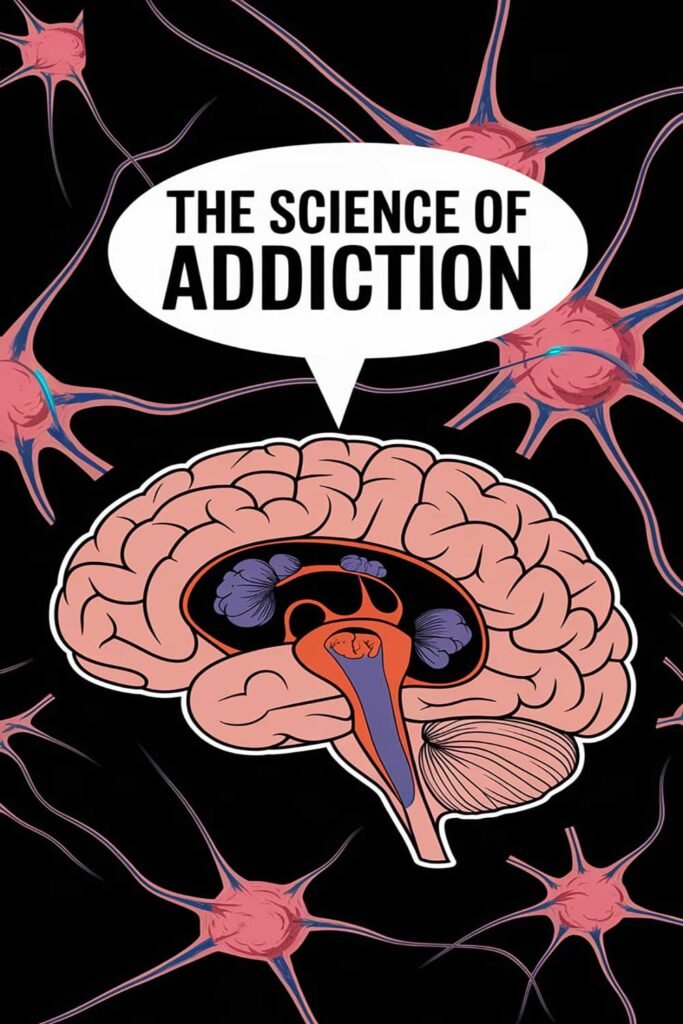
When someone repeatedly uses drugs or alcohol, it physically changes the structure and function of the brain.
Key Brain Areas Affected by Addiction
- The Reward System (Dopamine Disruption)
- Drugs flood the brain with dopamine, creating intense pleasure.
- Over time, the brain reduces its natural dopamine production, making normal activities feel dull or unfulfilling.
- This leads to dependence, where the person needs the substance just to feel “normal.”
- The Prefrontal Cortex (Decision-Making Impairment)
- The prefrontal cortex controls impulse control, judgment, and rational thinking.
- Addiction weakens this area, making it harder to resist cravings.
- The Amygdala (Emotional Regulation)
- Addiction increases stress and anxiety, making withdrawal unbearable.
- This creates a cycle of relapse, as people use substances to escape emotional pain.
Why This Matters
🔹 Addiction isn’t just about bad choices—it’s a brain disorder that affects self-control.
🔹 People lose the ability to regulate their substance use, even when they want to stop.
🔹 Recovery isn’t about willpower—it’s about healing the brain.
3. The Role of Genetics and Environment in Addiction
Genetics: The Inherited Risk of Addiction
Studies show that 40-60% of addiction risk is genetic. If addiction runs in a family, the likelihood of developing a substance use disorder increases.
- Some people inherit a more sensitive dopamine system, making substances more addictive.
- Others have genetic traits linked to impulsivity or poor stress regulation, making addiction more likely.
Environmental Factors: How Upbringing and Trauma Contribute
Even if someone isn’t genetically predisposed, their environment can increase the risk of addiction.
Key environmental factors include:
❌ Childhood Trauma: Abuse, neglect, or exposure to violence increases addiction risk.
❌ Early Substance Use: The earlier a person starts using drugs or alcohol, the higher the likelihood of addiction.
❌ Peer Pressure & Social Influence: If substance use is normalized in a person’s environment, addiction risk rises.
🧠 Bottom Line: Addiction is caused by a combination of biology, genetics, and environment—it’s not just a series of bad choices.
4. Why Willpower Alone Isn’t Enough
If Addiction Is a Disease, Why Can Some People Quit?
Some argue, “If addiction is a disease, why do some people quit on their own?” While some do manage to quit without professional help, they are the exception, not the rule.
💡 Imagine telling someone with diabetes to “just try harder” to regulate their blood sugar without medication or lifestyle changes. It doesn’t work that way.
Just like chronic illnesses require medical treatment, addiction requires therapy, medication, and long-term supportto overcome.
Why Quitting Is So Difficult
- Withdrawal Symptoms Are Severe
- Many drugs cause intense withdrawal symptoms like depression, anxiety, nausea, and body pain.
- For substances like alcohol and opioids, withdrawal can even be life-threatening.
- Triggers and Cravings Persist for Years
- Addiction creates long-lasting brain changes, making cravings persist even after quitting.
- Stress, certain people, or environments can trigger relapse.
- Underlying Mental Health Conditions
- Many people struggling with addiction also battle depression, anxiety, or PTSD.
- If these aren’t treated, the urge to self-medicate remains.
🚨 Willpower alone isn’t enough because addiction is a chronic disease, not a one-time decision.
5. The Importance of Treating Addiction Like a Disease
Why Viewing Addiction as a Disease Saves Lives
If addiction is treated as a moral failing, people are:
❌ Less likely to seek help due to shame
❌ More likely to face stigma and judgment
❌ Denied proper medical treatment
When addiction is treated as a disease, people:
✅ Receive medical and psychological care
✅ Are met with compassion instead of shame
✅ Have a higher chance of long-term recovery
How Addiction Treatment Works
✔ Medication-Assisted Treatment (MAT) – Helps manage cravings and withdrawal (e.g., methadone, buprenorphine, naltrexone).
✔ Cognitive Behavioral Therapy (CBT) – Helps rewire thought patterns and behaviors.
✔ Support Groups & Therapy – Provides emotional and social support for long-term sobriety.
✔ Healthy Lifestyle Changes – Exercise, nutrition, and mindfulness help restore brain function.
💡 When addiction is treated as a disease, recovery rates improve dramatically.
6. The Future of Addiction Science
Thanks to modern neuroscience, addiction treatment is advancing rapidly. Research is exploring:
🔬 New Medications to repair brain damage from substance use.
🧠 Neuroplasticity Techniques to help the brain rebuild healthier pathways.
🤖 Technology & AI to track cravings and prevent relapse.
The more we understand addiction as a disease, the better we can treat and prevent it.
Inspirational Quotes About Addiction and Healing
- “Addiction is not a choice, but recovery is.” – Unknown
- “It’s not the load that breaks you down, it’s the way you carry it.” – Lou Holtz
- “The brain can be rewired. Healing is possible.” – Unknown
- “Compassion, not judgment, leads to recovery.” – Unknown
- “Your disease does not define you. Your recovery does.” – Unknown
- “Addiction is not a moral failure; it is a medical condition that needs treatment.” – Dr. Nora Volkow
- “One day at a time. Progress, not perfection.” – AA Saying
- “Healing begins the moment you stop blaming yourself.” – Unknown
- “Science proves addiction is a disease—let’s treat it like one.” – Unknown
- “No one recovers alone. Connection is the cure.” – Johann Hari
Picture This
Imagine a world where people with addiction receive the same compassion and medical care as any other disease. No shame. No stigma. Just support, treatment, and healing. Addiction is not a choice—but recovery is. What step will you take today?
Please Share This Article
If this article helped you, please share it with others who need to understand addiction as a disease. Together, we can change the conversation.