Personal Growth in Sobriety
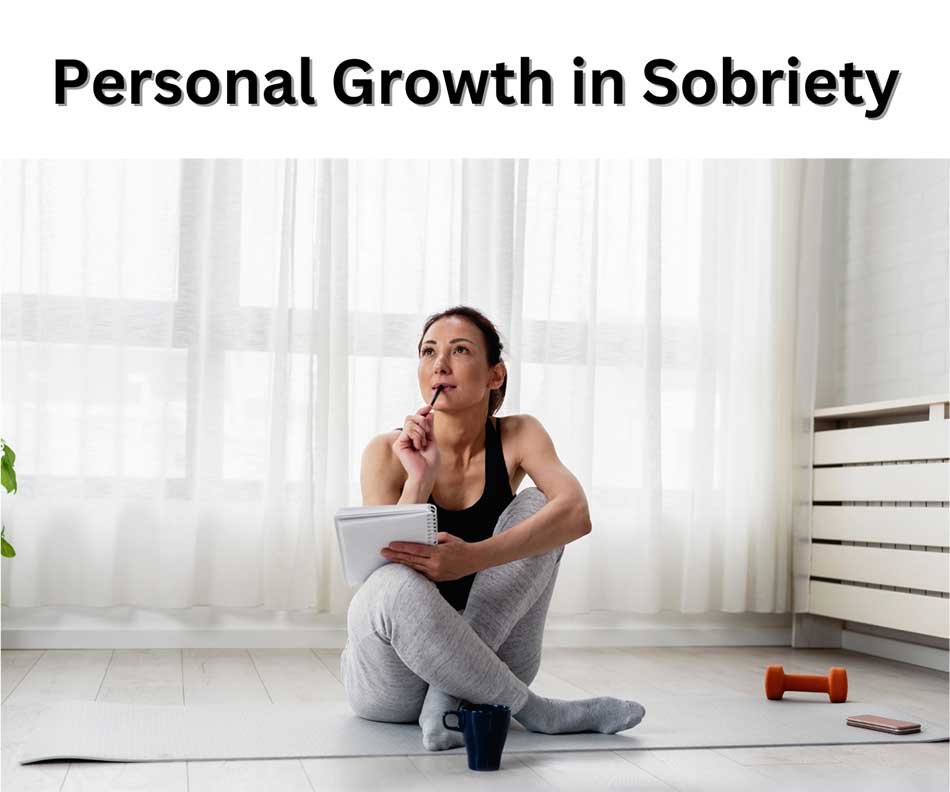
Sobriety is more than abstaining from substances; it’s an opportunity to rediscover yourself and unlock your full potential. Personal growth in sobriety involves building healthier habits, exploring new interests, and fostering a deeper understanding of who you are. By embracing this journey, you can create a fulfilling life that reflects your values and aspirations.
What Is Personal Growth?
Personal growth is the process of developing new skills, improving your mindset, and striving toward your goals. In sobriety, it often includes:
- Self-Reflection: Gaining clarity about your values, strengths, and areas for improvement.
- Skill Building: Learning tools to manage emotions, relationships, and life challenges.
- Expanding Horizons: Exploring new hobbies, passions, and opportunities.
Why Personal Growth Matters in Sobriety
1. Builds Confidence and Self-Worth
- Accomplishing goals and learning new skills reinforce your belief in yourself.
- Recognizing your progress boosts your self-esteem.
2. Enhances Emotional Resilience
- Growth fosters healthier ways to cope with stress and setbacks.
- It empowers you to navigate life’s challenges with confidence.
3. Creates a Fulfilling Life
- Personal growth helps you align your life with your passions and values.
- It adds purpose and joy to your journey.
Steps to Foster Personal Growth in Sobriety
1. Set Meaningful Goals
- Identify areas of your life where you want to grow, such as relationships, career, or health.
- Use the SMART framework (Specific, Measurable, Achievable, Relevant, Time-bound) to create actionable goals.
Example Goals:
- Complete a 5K run within six months.
- Learn a new skill, like cooking or photography.
- Reconnect with a loved one through regular conversations.
2. Practice Self-Reflection
- Regularly reflect on your experiences and progress.
- Use journaling to explore questions like:
- What am I proud of today?
- What lessons have I learned recently?
- How can I improve moving forward?
3. Develop Healthy Habits
- Replace old, harmful routines with positive habits that support your growth.
- Examples include:
- Regular exercise to boost physical and mental well-being.
- Practicing mindfulness to stay present and reduce stress.
- Prioritizing sleep and nutrition for overall health.
4. Explore New Interests
- Try hobbies or activities that spark curiosity and creativity.
- Examples include:
- Joining a class or workshop to learn something new.
- Volunteering for a cause that resonates with you.
- Traveling or exploring local attractions to broaden your horizons.
5. Build Supportive Relationships
- Surround yourself with people who encourage and inspire you.
- Seek out mentors, recovery groups, or supportive friends to guide and motivate you.
6. Celebrate Your Progress
- Acknowledge milestones and small wins along the way.
- Treat yourself to something special when you reach a goal.
- Reflect on how far you’ve come and use it as fuel for future growth.
Overcoming Challenges in Personal Growth
1. Dealing With Setbacks
- View setbacks as learning opportunities rather than failures.
- Ask yourself what went wrong and how you can approach it differently next time.
2. Managing Self-Doubt
- Replace negative self-talk with affirmations, such as, “I am capable of growth and change.”
- Focus on your strengths and past accomplishments to build confidence.
3. Staying Consistent
- Break large goals into smaller, manageable steps.
- Use tools like habit trackers or reminders to stay on course.
- Lean on your support network when motivation wanes.
Picture This
Imagine waking up each day with a sense of purpose and excitement for what’s ahead. Picture yourself achieving goals you once thought impossible, discovering passions you never knew you had, and growing into the best version of yourself. Sobriety isn’t just about what you leave behind—it’s about embracing everything you have to gain.
Share This Article
If you know someone on their sobriety journey, share this article with them. Your encouragement might inspire them to explore personal growth and build a fulfilling life.
Disclaimer
This article is based on personal experiences and observations. It does not represent or speak for any Anonymous programs.