Coping with Emotional Triggers in Recovery
Emotional triggers are powerful reminders of past experiences, often linked to trauma, stress, or substance use. In recovery, learning how to recognize and manage these triggers is essential to maintaining sobriety and emotional well-being. Developing healthy coping strategies helps you navigate difficult emotions without turning to old habits.

What Are Emotional Triggers?
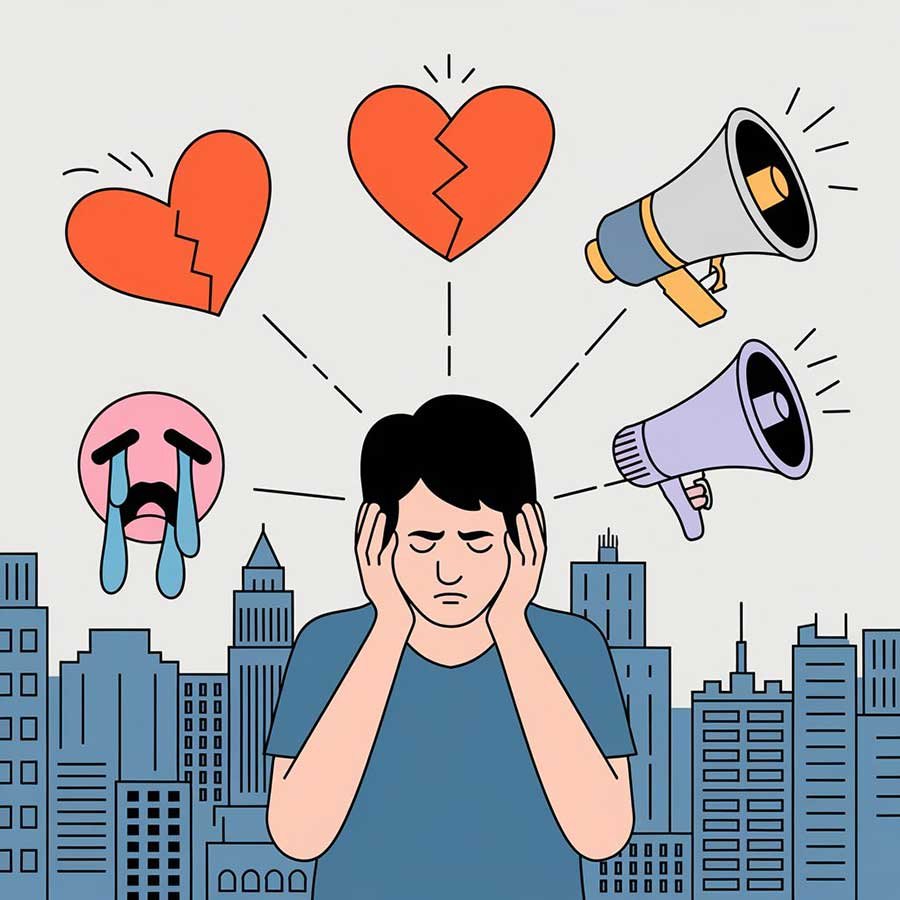
Emotional triggers are responses to specific situations, people, or memories that evoke intense emotions, often leading to stress, anxiety, or cravings. These triggers can be external (people, places, events) or internal (thoughts, memories, physical sensations).
Common Emotional Triggers in Recovery
- Stress and Overwhelm – Work pressure, financial issues, or relationship conflicts.
- Loneliness and Isolation – Feeling disconnected from others or missing past social activities.
- Guilt and Shame – Reflecting on past mistakes or disappointments.
- Anger and Resentment – Struggles with forgiveness or unresolved conflicts.
- Celebrations and Social Events – Situations where substances were previously involved.
- Nostalgia and Reminders – Visiting places associated with substance use or encountering people from the past.
Strategies to Cope with Emotional Triggers
1. Identify Your Triggers
- Keep a journal to track situations that evoke strong emotions.
- Reflect on past experiences and recognize patterns.
- Awareness is the first step to managing triggers effectively.
2. Develop Healthy Coping Mechanisms
- Practice mindfulness and meditation to stay present and reduce emotional reactivity.
- Engage in deep breathing exercises to calm the nervous system.
- Use visualization techniques to replace negative thoughts with positive ones.
3. Create a Strong Support System
- Reach out to a trusted friend, sponsor, or therapist when feeling triggered.
- Join a recovery group for shared experiences and guidance.
- Build relationships with people who respect and support your sobriety.
4. Redirect Your Energy with Positive Activities
- Exercise to release stress and boost mood-enhancing endorphins.
- Engage in creative outlets like painting, writing, or playing music.
- Develop new hobbies or revisit old ones that bring joy and fulfillment.
5. Set Boundaries and Avoid High-Risk Situations
- Limit exposure to environments or people that may compromise your recovery.
- Politely decline invitations that may lead to emotional distress or temptation.
- Prioritize self-care and protect your mental and emotional well-being.
6. Challenge Negative Thought Patterns
- Use Cognitive Behavioral Therapy (CBT) techniques to reframe negative thinking.
- Remind yourself of how far you’ve come and focus on personal growth.
- Practice self-compassion instead of self-criticism.
7. Have a Crisis Plan in Place
- Develop a step-by-step strategy for handling strong emotional reactions.
- Create a list of healthy distractions or emergency contacts to turn to in difficult moments.
- Remind yourself that triggers are temporary, and you have the power to respond differently.
When to Seek Professional Help
If emotional triggers feel overwhelming or interfere with daily life, seeking professional support is crucial. Therapy, counseling, or recovery coaching can provide valuable tools for long-term emotional management and relapse prevention.
Picture This
Imagine facing a stressful situation that once would have led to relapse. Instead of feeling powerless, you pause, take a deep breath, and use the coping skills you’ve developed. You reach out to a supportive friend, take a walk, or engage in an activity that uplifts you. Over time, triggers no longer control your actions—you do. This is the strength of recovery, knowing that you have the ability to navigate emotions without reverting to old patterns.
Please Share This Article
If this article helped you, please share it with others who may be struggling with emotional triggers in recovery.