Creating a Relapse Prevention Plan
A relapse prevention plan is a proactive strategy designed to help you maintain your sobriety by identifying potential risks, developing coping mechanisms, and reinforcing your commitment to recovery. This personalized roadmap serves as a guide during challenging moments, providing clarity and direction to navigate triggers and stressors effectively.

Why You Need a Relapse Prevention Plan
Relapse can happen to anyone, but having a prevention plan significantly reduces the risk by:
- Increasing Awareness: Helps you recognize early warning signs and triggers.
- Building Confidence: Equips you with tools and strategies to handle difficult situations.
- Strengthening Commitment: Reinforces your dedication to a sober lifestyle.
Step 1: Identify Your Triggers
Triggers are people, places, emotions, or situations that can lead to cravings or temptations. Knowing your triggers allows you to plan for them effectively.
Common Triggers:
- Emotional Triggers: Stress, loneliness, boredom, or anxiety.
- Environmental Triggers: Bars, parties, or locations associated with past substance use.
- Social Triggers: Being around friends or family who use substances.
- Physical Triggers: Hunger, fatigue, or physical pain.
Action Steps:
- Keep a journal to track situations or feelings that increase cravings.
- List specific triggers and rank them by intensity to prioritize your focus.
Step 2: Recognize Warning Signs
Relapse often starts with subtle changes in thoughts, feelings, or behaviors. Recognizing these early signs allows you to take corrective action before a relapse occurs.
Examples of Warning Signs:
- Skipping meetings or therapy sessions.
- Isolating yourself from your support network.
- Romanticizing past substance use.
- Feeling overconfident about your ability to stay sober.
Action Steps:
- Reflect on past relapses (if applicable) to identify patterns.
- Share your warning signs with trusted friends, family, or a sponsor so they can help you stay accountable.
Step 3: Develop Coping Strategies
Effective coping strategies help you manage cravings and stress without turning to substances. Tailor these techniques to your needs and preferences.
Coping Techniques:
- Mindfulness and Meditation: Practice deep breathing, guided meditations, or yoga.
- Physical Activity: Exercise regularly to reduce stress and boost endorphins.
- Creative Outlets: Engage in hobbies like painting, writing, or playing music.
- Healthy Distractions: Read a book, watch a movie, or call a supportive friend.
- Positive Self-Talk: Use affirmations to counter negative thoughts, such as, “I am strong enough to handle this.”
Step 4: Build a Strong Support Network
Surrounding yourself with supportive individuals provides encouragement and accountability. Your network can include friends, family, peers in recovery, or professionals.
Ways to Strengthen Your Network:
- Attend recovery meetings regularly (e.g., AA, NA, or SMART Recovery).
- Stay in touch with a sponsor, therapist, or counselor.
- Be honest with your loved ones about your struggles and progress.
- Join online recovery communities for additional support.
Step 5: Create an Action Plan for High-Risk Situations
High-risk situations are scenarios where the temptation to use substances is heightened. Having a plan ensures you’re prepared to handle these moments with confidence.
High-Risk Scenarios:
- Social events where alcohol or drugs are present.
- Holidays or anniversaries tied to substance use.
- Periods of extreme stress or emotional upheaval.
Action Steps:
- Avoid or Limit Exposure: Choose to skip events or leave early if needed.
- Bring an Ally: Attend with a sober friend or supportive family member.
- Prepare an Exit Plan: Have an excuse ready if you need to leave a situation.
Step 6: Stay Motivated with Goals and Rewards
Maintaining motivation is easier when you set achievable goals and celebrate milestones along the way.
Examples of Sobriety Goals:
- Reach 30, 60, or 90 days sober.
- Rebuild a relationship or achieve a personal milestone.
- Take up a new hobby or complete a project.
Reward Ideas:
- Treat yourself to a favorite meal, movie, or small gift.
- Plan a sober outing, such as a hike or day trip.
- Reflect on your progress through journaling or sharing with your support group.
Step 7: Write It All Down
A written relapse prevention plan provides a tangible reference to guide you during tough times. Include:
- Your triggers and warning signs.
- Coping strategies tailored to your needs.
- Contact information for your support network.
- A list of motivational reminders and affirmations.
Picture This
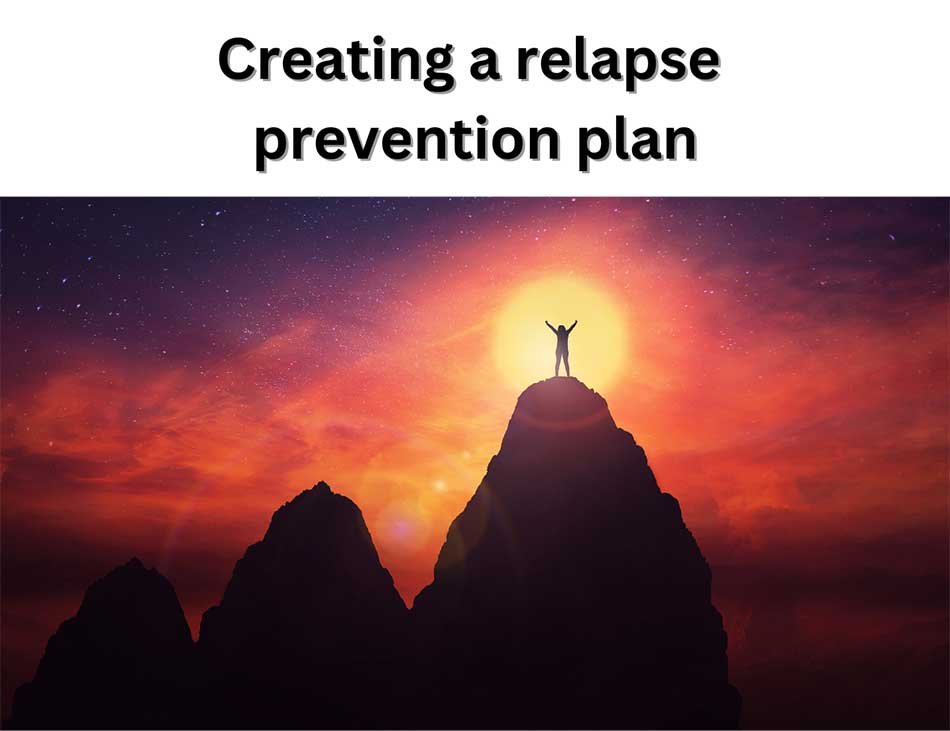
Imagine having a clear, actionable plan that empowers you to navigate cravings, triggers, and high-risk situations with confidence. Picture yourself overcoming challenges, celebrating milestones, and building a fulfilling, substance-free life. Your relapse prevention plan is more than a document—it’s your blueprint for success.
Share This Article
If you know someone who could benefit from creating a relapse prevention plan, please share this article with them. Your support might help them take an essential step toward long-term recovery.
Disclaimer
This article is based on personal experiences and observations. It does not represent or speak for any Anonymous programs.