
Creating a Sleep-Friendly Environment
A good night’s sleep is one of the most powerful tools for maintaining mental clarity, emotional stability, and physical well-being. However, many people struggle with sleep due to external disturbances, stress, and an unsuitable sleep environment. The good news? You can significantly improve your sleep quality by optimizing your sleep space.

Why Your Sleep Environment Matters
Your surroundings play a crucial role in determining how well you sleep. Noise, light, temperature, and even your mattress can impact the quality of your rest. When your bedroom is optimized for sleep, you’re more likely to fall asleep faster, stay asleep longer, and wake up feeling truly refreshed.
Key Factors for a Sleep-Friendly Environment
1. Keep Your Room Cool
A cool room promotes better sleep. The body naturally lowers its core temperature to initiate sleep, and a hot environment can disrupt this process.
- Set the thermostat between 60-67°F (15-19°C) for optimal sleep.
- Use breathable cotton or moisture-wicking bedding to prevent overheating.
- If necessary, use a fan or air conditioner to maintain a comfortable temperature.
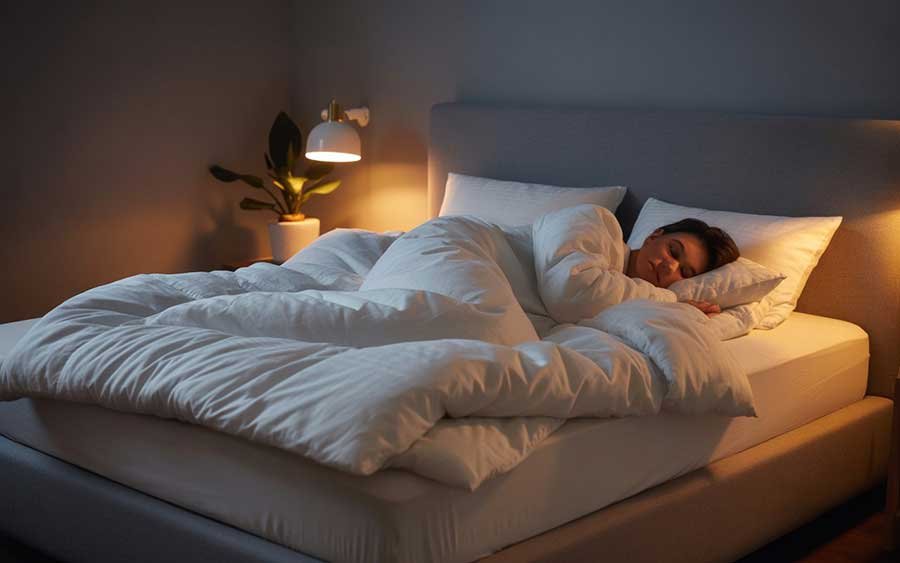
2. Control the Lighting
Light plays a crucial role in regulating your circadian rhythm, which governs your sleep-wake cycle.
- Dim the lights at least an hour before bed to signal to your body that it’s time to sleep.
- Use blackout curtains to eliminate external light pollution.
- Remove or cover LED lights from electronics that can disrupt melatonin production.
- Consider a sleep mask if complete darkness is difficult to achieve.
3. Reduce Noise Levels
Noise disturbances can prevent deep sleep and cause frequent wake-ups.
- Use white noise machines, fans, or soft background sounds to mask sudden noises.
- If external noise is unavoidable, consider earplugs.
- Keep your bedroom free from disruptive sounds, such as a loud TV or unnecessary notifications from your phone.

4. Invest in a Comfortable Mattress and Pillows
Your bed is the foundation of good sleep. A poor mattress can lead to discomfort, back pain, and frequent wake-ups.
- Choose a mattress that suits your sleep style (firm, medium, or soft based on your preference and body needs).
- Replace pillows regularly and ensure they provide adequate support for your neck and spine.
- Opt for hypoallergenic materials if you suffer from allergies.
5. Declutter Your Space
A cluttered room can create mental stress and make it harder to relax.
- Keep your bedroom clean and organized.
- Minimize distractions by removing unnecessary items from your sleeping area.
- Use soothing, neutral colors to create a peaceful ambiance.
6. Avoid Electronics Before Bed
Electronic devices emit blue light, which suppresses melatonin and makes it harder to fall asleep.
- Avoid phones, tablets, TVs, and laptops at least an hour before bed.
- If you must use a screen, consider blue light filters or night mode settings.
- Swap screen time for calming activities like reading or journaling.
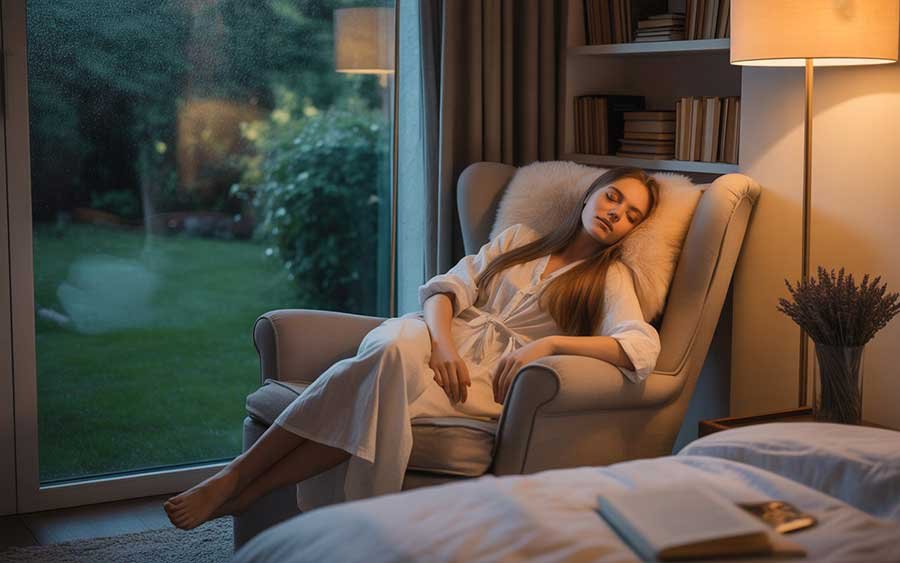
7. Introduce Relaxing Scents
Certain scents can promote relaxation and improve sleep quality.
- Use lavender essential oil as it has been shown to reduce stress and aid in sleep.
- Consider aromatherapy diffusers or pillow sprays with calming scents.
8. Establish a Nighttime Routine
A consistent bedtime routine signals to your body that it’s time to wind down.
- Take a warm bath or shower before bed.
- Practice deep breathing, meditation, or gentle stretching.
- Listen to soft, calming music to ease the mind.
9. Limit Food and Drink Before Bed
What you consume before bedtime can impact your sleep quality.
- Avoid caffeine, nicotine, and alcohol close to bedtime.
- Limit heavy meals, spicy foods, and sugary snacks before sleep.
- Drink herbal tea like chamomile or peppermint to promote relaxation.

10. Address Any Sleep Disturbances
If you’re struggling with persistent sleep issues, consider assessing external and internal factors that may be affecting your rest.
- If you have chronic sleep problems, consult a doctor or sleep specialist.
- Look into cognitive behavioral therapy for insomnia (CBT-I) if stress or anxiety is keeping you awake.
- Experiment with different sleep techniques to find what works best for you.
Inspirational Quotes on Sleep
“Sleep is the best meditation.” – Dalai Lama
“The best bridge between despair and hope is a good night’s sleep.” – E. Joseph Cossman
“Your future depends on your dreams, so go to sleep.” – Mesut Barazany
“Rest and self-care are essential. When you take time to replenish your spirit, it allows you to serve others from the overflow.” – Eleanor Brown
“A good laugh and a long sleep are the two best cures for anything.” – Irish Proverb
“Sleep is the golden chain that ties health and our bodies together.” – Thomas Dekker
“Early to bed and early to rise makes a man healthy, wealthy, and wise.” – Benjamin Franklin
“Happiness consists of getting enough sleep. Just that, nothing more.” – Robert A. Heinlein
“A well-spent day brings happy sleep.” – Leonardo da Vinci
“Sleep is nature’s nurse.” – William Shakespeare
Picture This…
Imagine lying down in a perfectly cozy bedroom—soft sheets, a cool breeze, and complete darkness. Your mind feels at ease, free from the stresses of the day. As you close your eyes, your body naturally drifts into deep, uninterrupted sleep. You wake up the next morning feeling refreshed, clear-headed, and full of energy. Creating a sleep-friendly environment has transformed your nights, setting the foundation for brighter, more productive days ahead.
Please Share This Article
If this article helped you, please share it with anyone who might benefit from better sleep. A well-rested mind leads to a healthier, happier life.