Exploring Different Types of Recovery Groups
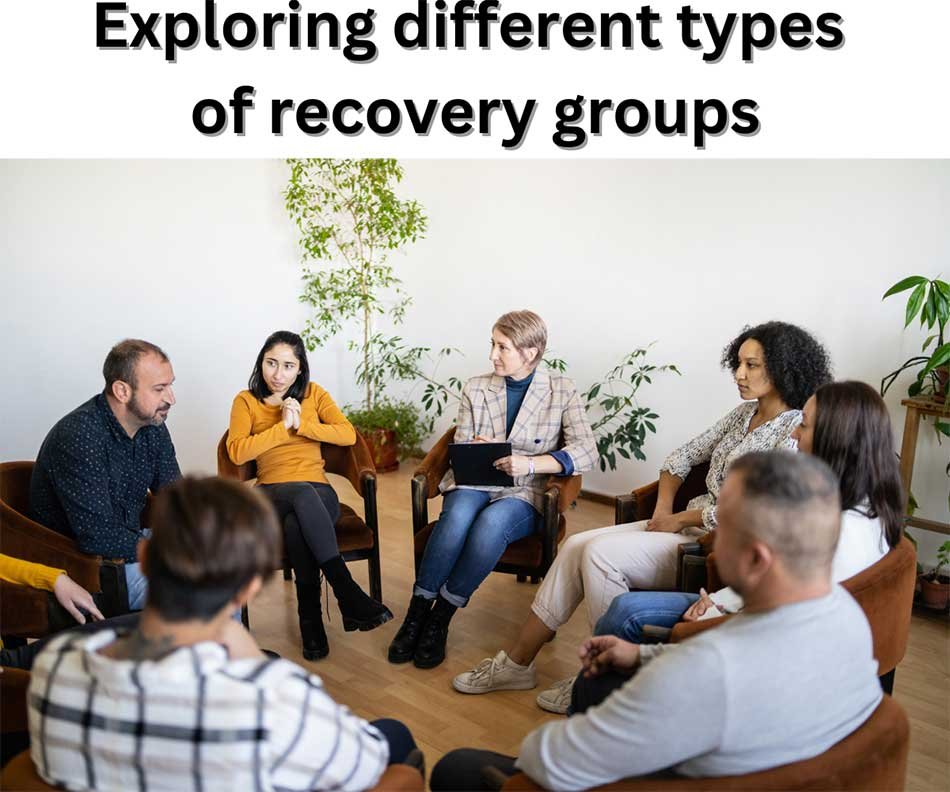
Recovery groups play a vital role in helping individuals maintain sobriety and rebuild their lives. They provide support, connection, and accountability, fostering a sense of community for those navigating the challenges of addiction recovery. With various types of recovery groups available, understanding their differences can help you find the one that best suits your needs.

Why Recovery Groups Matter
Recovery groups offer a safe and supportive environment where individuals can:
- Share experiences and learn from others.
- Develop coping strategies and tools for maintaining sobriety.
- Build a sense of community and reduce feelings of isolation.
- Stay accountable to their recovery goals.
Types of Recovery Groups
1. 12-Step Programs
12-step programs are among the most well-known recovery groups. They follow a structured approach based on spiritual principles and peer support.
Examples:
- Alcoholics Anonymous (AA): Focuses on alcohol addiction.
- Narcotics Anonymous (NA): Addresses drug addiction.
- Al-Anon/Alateen: Provides support for family members of individuals with substance use disorders.
Key Features:
- Emphasis on spirituality and surrender to a higher power.
- Steps include admitting powerlessness, making amends, and ongoing personal inventory.
- Meetings are available worldwide and often free.
Pros:
- Extensive network and availability.
- Strong sense of tradition and community.
- Encourages long-term personal growth.
Cons:
- Spiritual focus may not appeal to everyone.
- Some may find the structure too rigid.
2. Non-12-Step Programs
Non-12-step programs offer alternatives to traditional 12-step approaches, focusing on empowerment, self-reliance, and science-based methods.
Examples:
- SMART Recovery: Emphasizes self-management and cognitive-behavioral techniques.
- LifeRing Secular Recovery: Focuses on peer support without spiritual components.
- Refuge Recovery: A Buddhist-inspired approach emphasizing mindfulness and meditation.
Key Features:
- Focus on evidence-based practices.
- Flexibility to adapt to individual needs.
- Less emphasis on spirituality.
Pros:
- Appeals to those seeking secular or science-based approaches.
- Offers tools for self-empowerment and emotional regulation.
- Promotes personal accountability.
Cons:
- Smaller network compared to 12-step programs.
- May not provide the same sense of tradition and structure.
3. Faith-Based Recovery Groups
Faith-based recovery groups incorporate religious or spiritual teachings into the recovery process.
Examples:
- Celebrate Recovery: A Christian-centered recovery program addressing various addictions and life issues.
- Muslim Peer Support Groups: Combines addiction recovery with Islamic teachings.
- Jewish Recovery Groups: Integrates Jewish principles and traditions.
Key Features:
- Emphasis on spiritual growth and faith as a cornerstone of recovery.
- Tailored to specific religious communities.
- Offers both individual and family-focused support.
Pros:
- Provides comfort and familiarity for those with strong faith.
- Combines moral and spiritual guidance with recovery tools.
- Builds connections within a faith-based community.
Cons:
- Limited appeal to individuals without strong religious beliefs.
- May feel exclusive to those outside the faith.
4. Online Recovery Groups
With advances in technology, online recovery groups provide virtual support for individuals who cannot attend in-person meetings.
Examples:
- In the Rooms: A global recovery community offering online meetings for various addictions.
- Sober Grid: A social networking app for individuals in recovery.
- Reddit Recovery Communities: Subreddits like r/StopDrinking offer peer support and shared resources.
Key Features:
- Accessibility from anywhere with an internet connection.
- Anonymity and convenience.
- Flexibility in scheduling meetings or forums.
Pros:
- Ideal for those in remote areas or with mobility issues.
- Offers 24/7 access to support and resources.
- Provides a variety of group types and approaches.
Cons:
- Lacks the personal connection of in-person meetings.
- Requires self-motivation to stay engaged.
5. Specialized Recovery Groups
Specialized groups cater to specific demographics or needs, offering tailored support.
Examples:
- Women for Sobriety (WFS): Focused on women’s empowerment and sobriety.
- Veterans in Recovery: Addresses unique challenges faced by military veterans.
- LGBTQ+ Recovery Groups: Provides support for individuals in the LGBTQ+ community.
Key Features:
- Focus on shared experiences and unique challenges.
- Often include additional resources or counseling.
- Create a safe space for open discussion.
Pros:
- Provides a sense of belonging and understanding.
- Tailored approaches address specific needs.
- Builds trust within a like-minded community.
Cons:
- May have fewer meeting options or smaller networks.
- Limited availability in some areas.
Finding the Right Fit
Questions to Consider:
- What type of support am I looking for (spiritual, secular, structured, flexible)?
- Do I prefer in-person interaction or online convenience?
- Are there specific demographics or needs I’d like addressed?
- What are the group’s philosophies, and do they align with my values?
Tips for Getting Started:
- Attend multiple meetings to find the best fit.
- Be open to trying different types of groups.
- Reach out to local recovery organizations for recommendations.
- Use online directories to locate groups in your area.
Picture This
Imagine walking into a room (or logging into a meeting) and finding a group of people who understand your journey. Picture the support, encouragement, and tools you gain as you share experiences and learn from others. Recovery groups provide not just a path to sobriety but a community to walk alongside you every step of the way.
Share This Article
If you know someone exploring recovery groups, please share this article with them. Your support could help them find the connection and tools they need to thrive in sobriety.
Disclaimer
This article is based on personal experiences and observations. It does not represent or speak for any Anonymous programs.