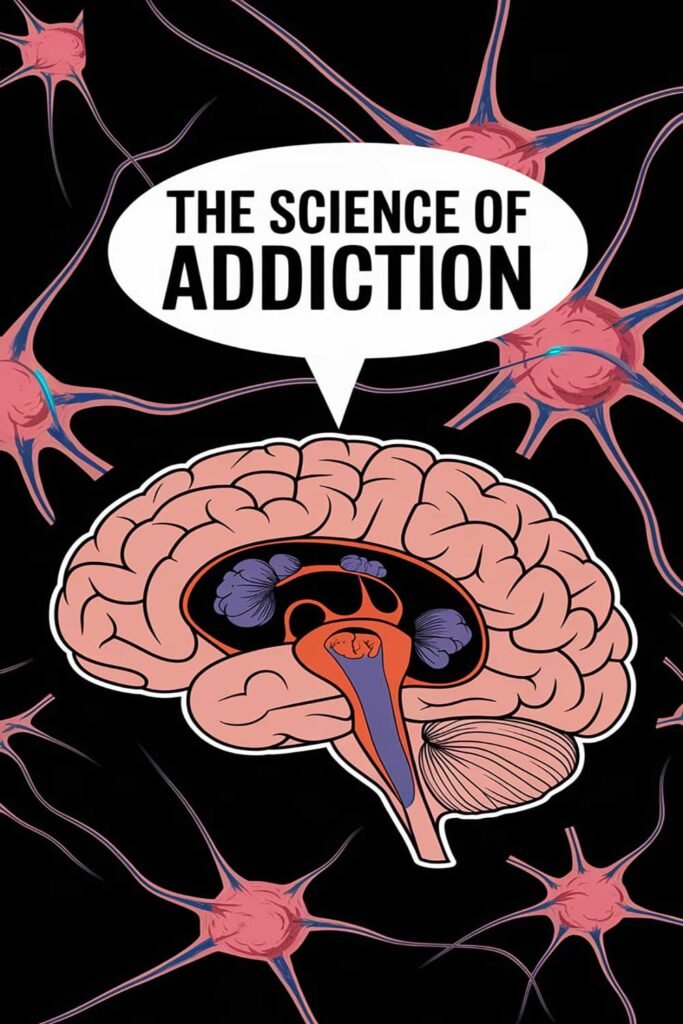
Genetics vs. Environment in Addiction
Understanding the Debate: Nature vs. Nurture in Addiction
Is addiction inherited, or is it shaped by a person’s surroundings? This nature vs. nurture debate has long intrigued scientists, psychologists, and addiction specialists. The reality is that both genetics (biological predisposition) and environmental influences play a significant role in addiction.

Understanding how these two forces interact can provide insight into why some people are more vulnerable to addiction than others—and how prevention and recovery strategies can be more effective.
1. The Role of Genetics in Addiction
Is Addiction Hereditary?
Research suggests that 40-60% of a person’s risk for addiction comes from genetics. This means that if addiction runs in your family, you are more likely to develop a substance use disorder—but it’s not guaranteed.
How Genetics Influence Addiction
- Inherited Brain Chemistry: Some individuals have a naturally lower dopamine response, making them more likely to seek out substances that artificially boost pleasure.
- Impulsivity & Risk-Taking: Certain genetic traits make individuals more prone to impulsive decision-making, increasing addiction risk.
- Tolerance & Metabolism: Some people metabolize substances faster, requiring larger doses to feel the effects, which can lead to dependency.
- Mental Health & Co-Occurring Disorders: Genetic predisposition to mental health conditions like depression or anxiety increases addiction vulnerability.
Evidence of Genetic Influence
- Twin Studies: Identical twins (who share 100% of their DNA) are more likely to both develop addiction compared to fraternal twins (who share only 50%).
- Family History Patterns: If a parent has a substance use disorder, their child is 2 to 4 times more likely to develop one.
- Adoption Studies: Children of biological parents with addiction are more likely to develop addiction—even when raised in a different environment.
However, genes are not destiny—even with a family history of addiction, environmental factors and choices play a huge role in determining outcomes.
2. The Role of Environment in Addiction
How Surroundings Shape Addiction Risk
Even if someone has no genetic predisposition to addiction, their environment can significantly influence their likelihood of developing a substance use disorder.
Key Environmental Risk Factors
- Early Exposure to Substances
- Experimenting with drugs or alcohol at a young age increases the likelihood of long-term addiction.
- The brain is still developing in adolescence, making it more vulnerable to the effects of substances.
- Trauma and Adverse Childhood Experiences (ACEs)
- Childhood abuse, neglect, or exposure to violence significantly increases addiction risk.
- Unresolved trauma often leads to self-medicating with drugs or alcohol.
- Social and Peer Influences
- Peer pressure plays a major role, especially in adolescence.
- If substance use is normalized in social circles, individuals are more likely to develop unhealthy habits.
- Parental Influence and Home Environment
- Neglectful or permissive parenting can increase addiction risk.
- Children raised in homes with addicted parents may model similar behaviors.
- Stress and Socioeconomic Factors
- Financial struggles, job stress, or unstable housing can drive substance use as a coping mechanism.
- High-stress environments increase the likelihood of turning to substances for relief.
- Cultural and Media Influence
- Societal attitudes toward drinking, drug use, and smoking influence behavior.
- Media glamorization of substance use (movies, music, social media) can increase risk.
3. Genetics vs. Environment: Which Matters More?
The reality is that genetics and environment are deeply interconnected. While genetics may increase vulnerability, environment often determines whether addiction develops.
The Interaction of Genetics and Environment
- A genetically predisposed person raised in a low-risk environment (strong family support, no substance exposure) may never develop addiction.
- A person with no family history of addiction but raised in a high-risk environment (peer pressure, trauma, easy drug access) may still develop addiction.
- A genetically vulnerable person raised in a high-risk environment has the greatest risk of developing addiction.
This explains why some people with a family history of addiction never become addicted, while others with no genetic predisposition still develop substance use disorders.
4. Can Addiction Be Prevented?
Breaking the Cycle of Addiction
Even if someone has a genetic predisposition or a challenging environment, addiction is preventable. Here’s how:
✅ Early Education: Teaching children and teens about the dangers of substance use.
✅ Building Resilience: Encouraging healthy coping strategies for stress and trauma.
✅ Supportive Relationships: Having a strong family, friends, or mentorship network.
✅ Therapy & Counseling: Addressing mental health issues before they lead to self-medication.
✅ Avoiding High-Risk Situations: Recognizing and steering clear of triggers.
While no one can change their genetics, they can change their environment and choices to reduce the risk of addiction.
5. The Hope of Recovery: Overcoming Genetic and Environmental Challenges
If addiction has already developed, recovery is possible regardless of genetic or environmental factors.
Effective Recovery Strategies
- Therapy & Behavioral Treatment: Cognitive Behavioral Therapy (CBT) helps address underlying causes.
- Support Groups: Alcoholics Anonymous (AA), Narcotics Anonymous (NA), and SMART Recovery offer community support.
- Medication-Assisted Treatment (MAT): In some cases, medications help manage withdrawal and cravings.
- Lifestyle Changes: Exercise, mindfulness, and new hobbies can replace addictive behaviors.
Inspirational Quotes About Addiction and Resilience
- “Genetics may load the gun, but environment pulls the trigger.” – Dr. George Koob
- “You are not defined by your past. You are prepared by it.” – Unknown
- “Our environment, the world in which we live and work, is a mirror of our attitudes and expectations.” – Earl Nightingale
- “Every next level of your life will demand a different version of you.” – Leonardo DiCaprio
- “Addiction is a disease, but recovery is a choice.” – Unknown
- “Healing doesn’t mean the damage never existed. It means the damage no longer controls your life.” – Akshay Dubey
- “Change the environment, and you change the person.” – Dr. Bruce Lipton
- “Strength grows in the moments when you think you can’t go on but keep going anyway.” – Unknown
- “Your genes do not determine your destiny.” – Dr. Dean Ornish
- “No matter how far you have gone on the wrong road, you can always turn around.” – Turkish Proverb
Picture This
Imagine standing at a crossroads. One path is influenced by your genetics, the other by your environment—but you are the one who chooses which way to go. You may have inherited challenges, or you may have grown up in difficult circumstances, but you still have the power to shape your future. With knowledge, support, and determination, you can break free from addiction and create a life that is truly yours. What direction will you choose?
Please Share This Article
If this article helped you, please share it with others who may be struggling with addiction or seeking to understand it better. Together, we can spread awareness and support recovery.