Healing Your Body After Substance Use
Substance use can take a serious toll on the body, but once you commit to sobriety, healing begins. Your body is resilient and, with the right care, can recover over time. Proper nutrition, hydration, exercise, and medical support all play crucial roles in restoring your physical health and well-being. Understanding how substance use affects the body and taking proactive steps toward recovery can help accelerate the healing process.

How Substance Use Affects the Body
The effects of substance use vary depending on the type and duration of use. However, common health impacts include:
- Liver damage – Alcohol and drugs can lead to liver inflammation, fatty liver disease, or cirrhosis.
- Digestive issues – Substance use can harm the gastrointestinal system, leading to ulcers, poor digestion, and malnutrition.
- Weakened immune system – The body becomes more susceptible to infections and illnesses.
- Heart and lung damage – Certain substances increase the risk of cardiovascular disease and respiratory issues.
- Nutritional deficiencies – Many people in recovery experience vitamin and mineral deficiencies due to poor diet and substance effects.
- Mental health struggles – Substance use can contribute to anxiety, depression, and cognitive impairment.
Steps to Heal Your Body in Recovery
Healing after substance use requires a comprehensive approach that includes proper nutrition, physical activity, and medical care. Here’s how to support your body’s recovery:
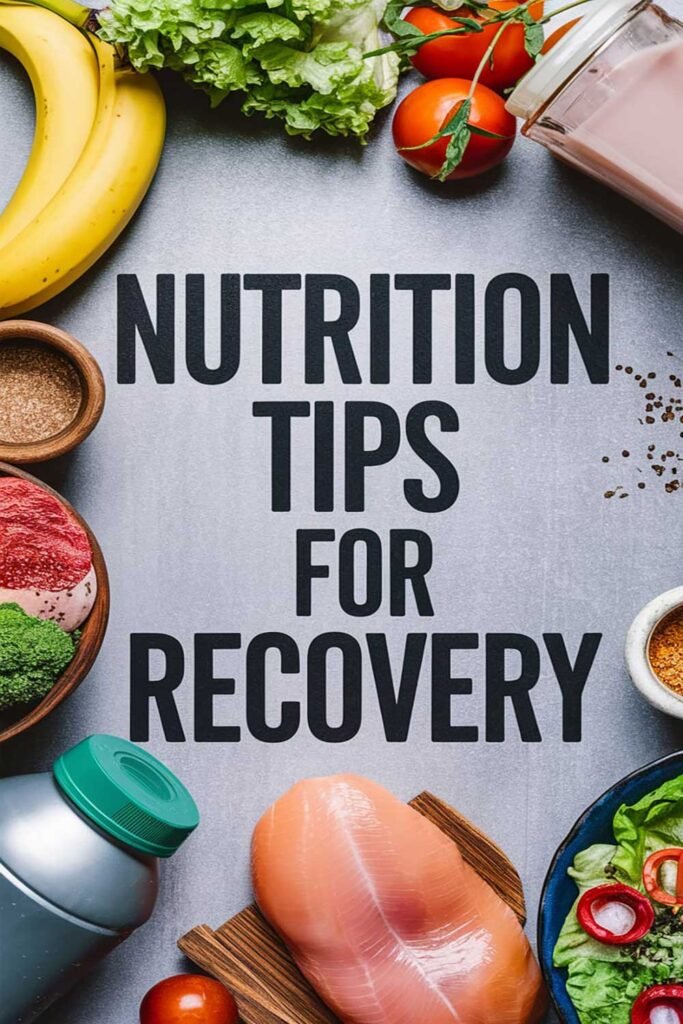
1. Prioritize Nutrition and Hydration
- Eat whole, nutrient-dense foods – Focus on lean proteins, whole grains, fruits, and vegetables.
- Restore lost vitamins – Many in recovery are deficient in vitamins B, C, D, and magnesium.
- Stay hydrated – Drinking plenty of water helps flush toxins and restores energy levels.
- Limit processed foods and sugar – These can cause energy crashes and mood swings.
2. Engage in Regular Exercise
- Start slow and be consistent – Walking, yoga, and stretching are great for rebuilding strength.
- Boost endorphins – Physical activity improves mood, reduces stress, and supports brain health.
- Improve cardiovascular health – Activities like jogging, cycling, or swimming strengthen the heart and lungs.
- Enhance sleep quality – Exercise helps regulate sleep patterns, which are often disrupted in early recovery.
3. Get Medical Check-Ups and Address Health Issues
- Schedule a full medical exam – A doctor can assess any underlying health conditions caused by substance use.
- Get liver and kidney function tests – These organs process toxins and may need monitoring.
- Check for nutritional deficiencies – Blood tests can reveal imbalances that need correction.
- Seek mental health support – Therapy and counseling can help with emotional healing.
4. Improve Sleep Hygiene
- Establish a bedtime routine – Going to bed and waking up at the same time each day helps regulate sleep.
- Avoid caffeine and screens before bed – These can interfere with rest and relaxation.
- Practice relaxation techniques – Meditation, deep breathing, or reading can promote restful sleep.
- Create a sleep-friendly environment – A dark, quiet, and comfortable room supports better sleep quality.
5. Support Brain Health and Cognitive Recovery
- Practice mindfulness and meditation – Helps reduce stress and improves mental clarity.
- Engage in brain-stimulating activities – Reading, puzzles, and learning new skills aid cognitive function.
- Eat brain-boosting foods – Omega-3s, leafy greens, and nuts support neurological health.
- Limit stress and practice self-care – High-stress levels can slow cognitive recovery.
6. Detoxify Naturally
- Drink herbal teas and antioxidant-rich foods – These help cleanse the body from toxins.
- Sweat it out – Sauna sessions and exercise promote detoxification through sweating.
- Focus on gut health – Probiotics and fiber-rich foods help restore digestive balance.
Healing Takes Time – Be Patient with Yourself
Recovery is a journey, and healing the body doesn’t happen overnight. The key is to stay consistent with healthy habits and be kind to yourself along the way. Some improvements will be immediate, while others may take weeks or months. Celebrate small victories and acknowledge the progress you’re making every day.
Picture This
Imagine waking up with energy, mental clarity, and a sense of peace in your body. Your skin glows, your digestion is back on track, and you no longer feel sluggish or weighed down by past choices. You feel strong, confident, and capable of living your best life. Every day, you nourish your body, move with purpose, and embrace the healing process. This is the power of prioritizing your health in sobriety.
Please Share This Article
If this article helped you, please share it with others who may be on the path to healing their body after substance use.