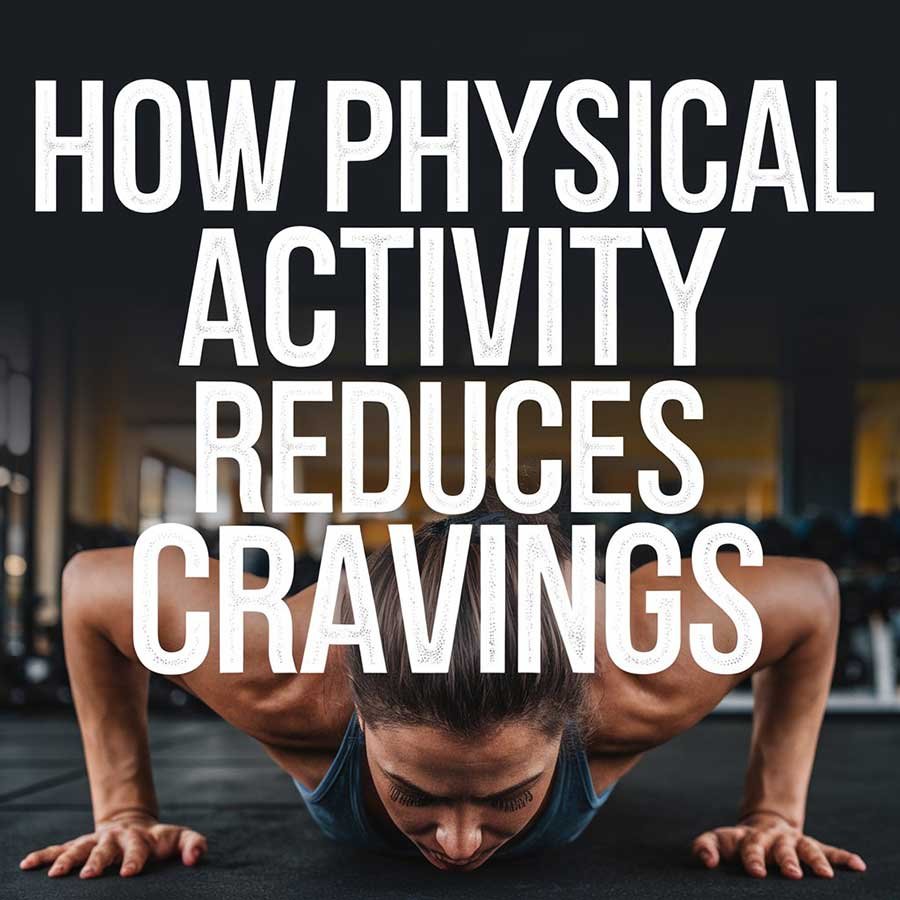
How Physical Activity Reduces Cravings
Cravings can be one of the biggest challenges in sobriety, but physical activity is a powerful tool to help manage and reduce them. Exercise not only improves physical health but also plays a key role in stabilizing mood, reducing stress, and rewiring the brain’s reward system. By incorporating movement into your daily routine, you can naturally curb cravings and strengthen your commitment to recovery.

How Exercise Helps Reduce Cravings
1. Boosts Dopamine and Endorphin Levels
- Substance use artificially increases dopamine, leading to dependency.
- Exercise naturally boosts dopamine and endorphins, creating a similar sense of pleasure and satisfaction.
- Regular physical activity helps retrain the brain to seek rewards from healthy sources instead of substances.
2. Reduces Stress and Anxiety
- Stress is a major trigger for cravings and relapse.
- Exercise lowers cortisol (the stress hormone) and increases relaxation hormones.
- Activities like yoga, running, and weightlifting help release tension and improve emotional resilience.
3. Distracts from Cravings
- Engaging in physical activity shifts focus away from urges.
- Even short bursts of movement (like a brisk walk or stretching) can disrupt craving cycles.
- Exercise provides a constructive outlet to cope with cravings instead of resorting to old habits.
4. Improves Sleep and Energy Levels
- Poor sleep and fatigue can trigger cravings as the body seeks quick relief.
- Regular movement promotes better sleep quality and sustained energy throughout the day.
- Feeling well-rested and energized reduces the likelihood of turning to substances for stimulation.
5. Enhances Self-Control and Mindfulness
- Exercise strengthens mental discipline and focus, making it easier to resist urges.
- Activities like yoga and meditation-based movement promote mindfulness, helping individuals recognize and manage cravings effectively.
- Increased body awareness through exercise fosters self-care and emotional regulation.
6. Builds a Healthy Routine and Structure
- A structured workout schedule creates positive habits that replace substance use behaviors.
- Regular exercise encourages discipline, goal setting, and accountability.
- Developing a fitness routine adds stability to recovery and long-term wellness.
Best Types of Physical Activity for Managing Cravings
1. Cardiovascular Exercise
- Running, cycling, swimming, and brisk walking increase heart rate and release endorphins.
- Ideal for reducing anxiety and improving mood quickly.
2. Strength Training
- Weightlifting, resistance training, and bodyweight exercises improve self-confidence and resilience.
- Builds mental and physical strength, reinforcing discipline and perseverance.
3. Yoga and Meditation-Based Movement
- Encourages relaxation, breath control, and mindfulness.
- Helps regulate emotions and manage stress-induced cravings.
4. High-Intensity Interval Training (HIIT)
- Short bursts of intense activity followed by rest periods.
- Quickly improves mood, reduces stress, and keeps the mind engaged.
5. Outdoor Activities
- Hiking, paddleboarding, and team sports combine movement with nature and social interaction.
- Provides fresh air, a change of scenery, and a natural boost to mental health.
How to Make Exercise a Habit in Recovery
- Start small – Even 10-minute workouts can make a difference.
- Find enjoyable activities – Exercise should be fun, not a chore.
- Join a group or class – Accountability helps maintain consistency.
- Track progress – Keeping a journal or using an app can boost motivation.
- Use exercise as a coping strategy – Turn to movement when cravings arise.
Picture This
Imagine feeling a craving creeping in, but instead of giving in, you lace up your sneakers and head out for a run. With each stride, stress fades, and a wave of endorphins lifts your mood. By the time you return, the craving has passed, replaced by a sense of accomplishment and clarity. Over time, exercise becomes your go-to coping tool, empowering you to stay in control and committed to your sobriety.
Please Share This Article
If this article helped you, please share it with others who may benefit from using physical activity as a tool to manage cravings in recovery.