How to Deal With Shame and Guilt in Sobriety
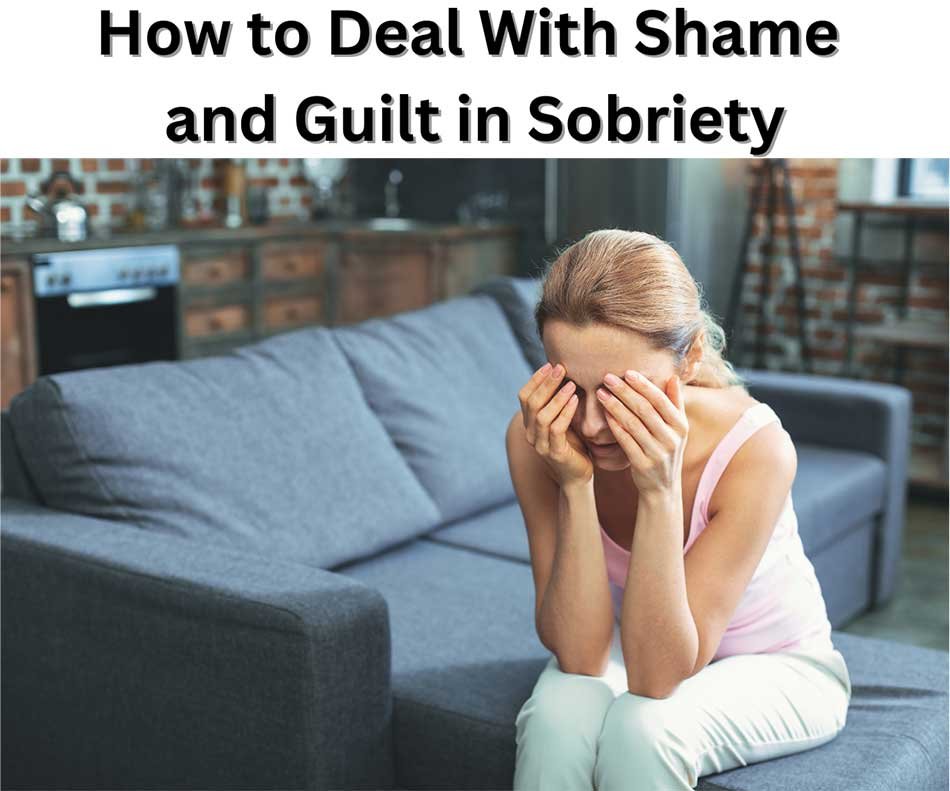
Shame and guilt are common emotions in sobriety, often arising as you reflect on past actions and their impact on yourself and others. While these feelings can be challenging, they are also an opportunity for growth and healing. By addressing shame and guilt head-on, you can release their weight and move forward with a sense of peace and purpose.

Understanding Shame and Guilt
Although they are often used interchangeably, shame and guilt are distinct emotions:
- Guilt: A feeling of remorse or regret for specific actions or decisions.
- Shame: A more pervasive sense of inadequacy or self-judgment, often tied to who you are as a person.
Both emotions can be overwhelming but are manageable with the right tools and mindset.
Why Addressing Shame and Guilt Is Important
1. Fosters Emotional Healing
- Confronting these emotions allows you to process and release them.
- Avoiding them can lead to feelings of unworthiness, which may hinder recovery.
2. Strengthens Relationships
- Acknowledging and addressing the harm caused by past actions builds trust and facilitates reconciliation.
3. Reduces Risk of Relapse
- Unresolved shame and guilt can become triggers for substance use if left unchecked.
- Addressing these feelings builds resilience and emotional stability.
Strategies for Dealing With Shame and Guilt
1. Acknowledge Your Feelings
- Recognize and name the emotions you’re experiencing.
- Avoid suppressing or ignoring them, as this can amplify their intensity.
- Journaling can be a helpful tool for exploring these feelings in a safe space.
2. Separate Yourself From Your Actions
- Remember that your past actions do not define your worth as a person.
- Practice self-compassion by reminding yourself that everyone makes mistakes.
- Use affirmations such as, “I am more than my past choices.”
3. Take Responsibility and Make Amends
- Accept accountability for your actions without self-criticism.
- If appropriate, apologize to those you’ve hurt and seek to repair relationships.
- Focus on actions that demonstrate change, such as being present, reliable, and supportive.
4. Practice Forgiveness
- Forgive yourself for past mistakes. This is a process, not a one-time event.
- Recognize that holding onto guilt does not serve you or others.
- Consider guided meditations or affirmations centered on self-forgiveness.
5. Seek Support
- Share your feelings with trusted friends, family, or recovery groups.
- Attend therapy to work through deeper emotions and gain perspective.
- Lean on your support network for encouragement and guidance.
6. Focus on Growth
- Reflect on how far you’ve come in your sobriety journey.
- Use shame and guilt as motivation to continue making positive changes.
- Set achievable goals that align with your values and priorities.
7. Practice Gratitude and Mindfulness
- Shift your focus to the present moment and the progress you’re making.
- Keep a gratitude journal to acknowledge the positive aspects of your life.
- Engage in mindfulness practices to reduce rumination on past events.
Reframing Shame and Guilt
Transforming these emotions into tools for growth can empower you in your recovery:
- Shame to Self-Worth: Recognize that your past does not define you and focus on your efforts to improve.
- Guilt to Action: Channel feelings of guilt into positive actions, such as volunteering, mentoring, or advocating for others in recovery.
Picture This
Imagine releasing the weight of shame and guilt, feeling lighter and freer with each step forward. Picture yourself forgiving past mistakes, rebuilding relationships, and embracing the person you are becoming. By addressing these emotions, you’re creating space for healing, growth, and a brighter future in sobriety.
Share This Article
If you know someone struggling with shame and guilt in their sobriety journey, please share this article with them. Your support could help them find the strength and tools to move forward.
Disclaimer
This article is based on personal experiences and observations. It does not represent or speak for any Anonymous programs.