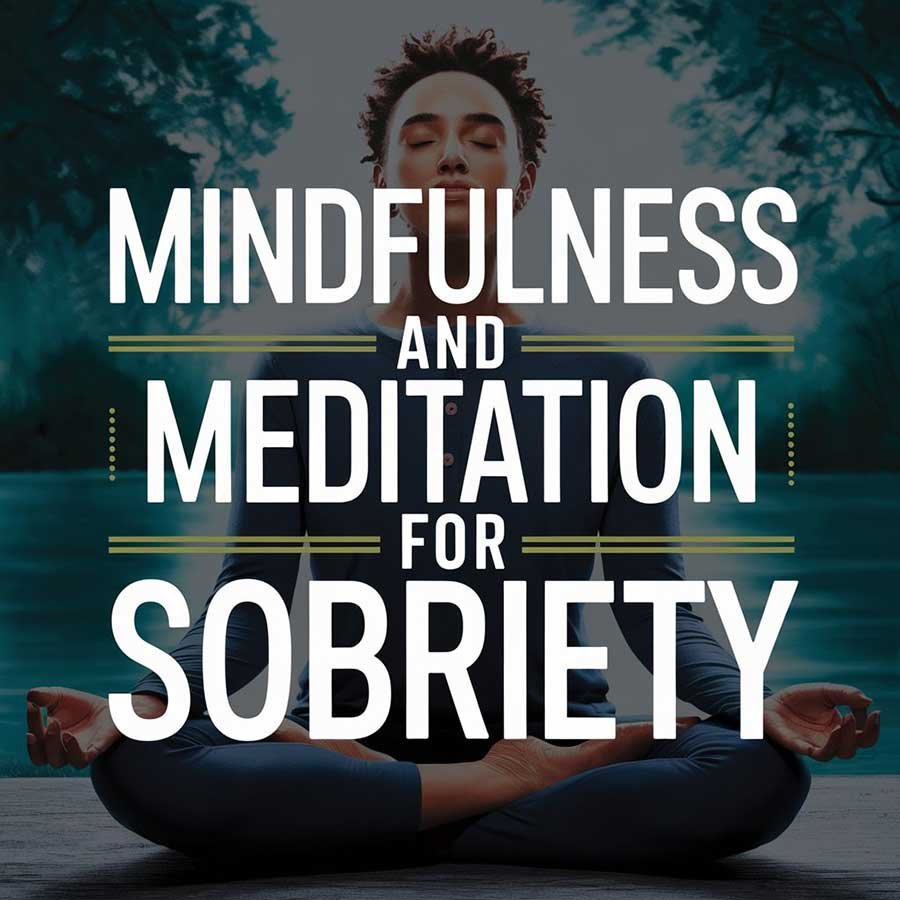
Mindfulness and Meditation for Sobriety
Mindfulness and meditation are powerful tools that support sobriety by helping individuals stay present, manage emotions, and develop a deeper awareness of their thoughts and behaviors. Incorporating these practices into recovery can reduce stress, improve mental clarity, and enhance overall well-being.

Why Mindfulness and Meditation Matter in Sobriety
- Reduces stress and anxiety – Helps regulate emotions and respond calmly to challenges.
- Improves emotional resilience – Encourages nonjudgmental awareness of thoughts and feelings.
- Enhances self-awareness – Aids in recognizing triggers before they lead to cravings.
- Supports relapse prevention – Provides healthier coping mechanisms for stress and emotional distress.
- Strengthens the mind-body connection – Promotes overall physical and mental well-being.
What is Mindfulness?
Mindfulness is the practice of being fully present in the moment without judgment. It involves paying attention to thoughts, emotions, and bodily sensations with curiosity and acceptance.
Ways to Practice Mindfulness in Sobriety
- Mindful Breathing – Focus on the rhythm of your breath to calm the mind.
- Body Scanning – Observe physical sensations to release tension and increase self-awareness.
- Mindful Walking – Engage with each step, noticing the sensations in your body and surroundings.
- Mindful Eating – Savor each bite, paying attention to taste, texture, and smell.
- Observing Thoughts – Notice thoughts as they arise without attaching judgment or emotion.
Meditation Techniques for Sobriety
1. Guided Meditation
- Follow a recorded meditation focused on relaxation, stress relief, or self-awareness.
- Apps like Headspace, Calm, or Insight Timer provide accessible guided sessions.
2. Breath Awareness Meditation
- Focus on slow, deep breaths to ground yourself in the present moment.
- A simple technique: Inhale for 4 seconds, hold for 4 seconds, exhale for 4 seconds.
3. Loving-Kindness Meditation (Metta)
- Cultivates self-compassion and positive emotions towards yourself and others.
- Repeat phrases such as, “May I be happy, may I be healthy, may I be at peace.”
4. Body Scan Meditation
- Gradually focus on different areas of your body, releasing tension as you go.
- Helps with relaxation and emotional regulation.
5. Mindfulness-Based Stress Reduction (MBSR)
- A structured approach to mindfulness that combines meditation, breathing exercises, and gentle movement.
- Proven to reduce stress and improve emotional balance.
How to Incorporate Mindfulness and Meditation into Daily Life
- Start with 5-10 minutes a day and gradually increase practice time.
- Use reminders, such as alarms or sticky notes, to encourage mindfulness throughout the day.
- Practice mindfulness during routine activities, like washing dishes or driving.
- Keep a meditation journal to track thoughts, emotions, and progress.
- Join a meditation or mindfulness group for accountability and support.
Overcoming Challenges in Meditation and Mindfulness
- Restlessness or impatience? Start with shorter sessions and increase gradually.
- Distracting thoughts? Acknowledge them without judgment and return focus to your breath.
- Difficulty finding time? Integrate mindfulness into daily routines like eating or walking.
- Feeling discouraged? Remember that consistency is key—progress happens over time.
Picture This
Imagine waking up each morning feeling calm, clear-headed, and fully present. Instead of reacting impulsively to stress or cravings, you pause, take a deep breath, and respond with intention. Throughout the day, you feel grounded and at peace, able to navigate challenges without feeling overwhelmed. This is the power of mindfulness and meditation in sobriety—helping you cultivate inner strength, balance, and emotional resilience.
Please Share This Article
If this article helped you, please share it with others who may benefit from mindfulness and meditation in their sobriety journey.