Practicing Assertiveness in Sobriety
Assertiveness is a powerful skill that helps you express your needs, set boundaries, and communicate effectively without aggression or passivity. In sobriety, assertiveness is essential for navigating social situations, maintaining relationships, and protecting your recovery. By practicing assertiveness, you can build confidence, foster respect, and prioritize your well-being.

Why Assertiveness Matters in Sobriety
Assertiveness plays a crucial role in maintaining your sobriety and personal growth. Here’s why it matters:
1. Protecting Boundaries
- Assertiveness helps you say “no” to offers of alcohol or substances without guilt.
- It empowers you to set limits with people or environments that jeopardize your recovery.
2. Strengthening Relationships
- Open and honest communication fosters trust and respect.
- Assertiveness reduces misunderstandings and resentment in relationships.
3. Building Confidence
- Standing up for yourself reinforces self-worth and self-respect.
- Assertive behavior helps you feel in control of your decisions and actions.
Characteristics of Assertiveness
Assertiveness balances respect for your own needs with respect for others. It’s distinct from aggression or passivity.
Key Traits:
- Clear Communication: Expressing your thoughts and feelings directly.
- Respectful Behavior: Valuing both your needs and the needs of others.
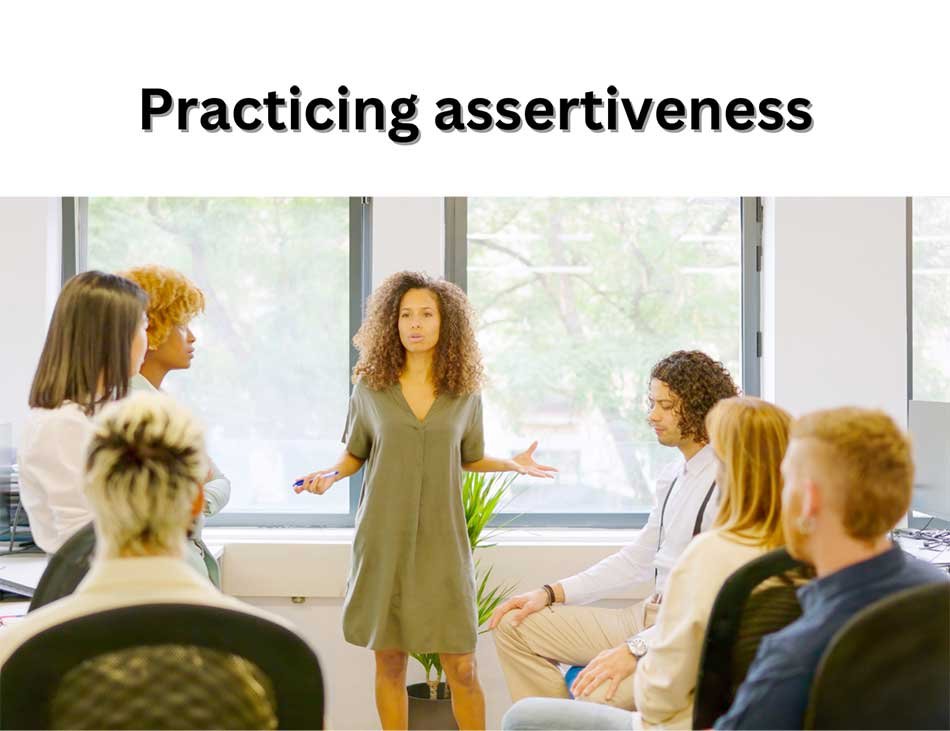
- Confident Body Language: Maintaining eye contact, a calm tone, and an open posture.
- Empathy: Understanding and acknowledging the perspectives of others.
Steps to Practice Assertiveness
1. Identify Your Needs and Boundaries
- Reflect on what’s important to you and what you need to feel safe and respected.
- Consider situations where you’ve felt uncomfortable or pressured, and determine how assertiveness could have helped.
2. Use “I” Statements
- Frame your thoughts and feelings in a way that emphasizes your perspective without blaming others.
- Example: Instead of saying, “You’re making me uncomfortable,” say, “I feel uncomfortable when this happens.”
3. Practice Saying No
- Learn to decline offers or requests without overexplaining or apologizing.
- Example: “No, thank you. I’m not drinking.” or “I can’t commit to that right now.”
4. Rehearse Scenarios
- Role-play challenging situations with a trusted friend or therapist.
- Practice different ways to respond to pressure, ensuring your tone and body language match your words.
5. Stay Calm and Composed
- Use deep breathing or grounding techniques to manage anxiety during difficult conversations.
- Pause before responding to collect your thoughts and maintain control.
Applying Assertiveness in Sobriety
Assertiveness is especially valuable in situations where your sobriety might be challenged.
Examples:
- Declining Alcohol or Substances: Politely but firmly saying no when offered a drink or substance.
- Setting Boundaries with Friends: Communicating your need to avoid environments or activities associated with past substance use.
- Asserting Time for Self-Care: Prioritizing your well-being, even if it means declining invitations or stepping away from responsibilities temporarily.
Overcoming Challenges in Assertiveness
Assertiveness may feel uncomfortable at first, especially if you’re used to being passive or avoiding conflict. Here’s how to overcome common challenges:
1. Fear of Rejection
- Remind yourself that saying no is about respecting your boundaries, not rejecting others.
- Surround yourself with people who support your sobriety and understand your choices.
2. Guilt or Self-Doubt
- Practice self-compassion and affirm your right to prioritize your recovery.
- Focus on the positive outcomes of being assertive, such as maintaining your sobriety and self-respect.
3. Resistance from Others
- Stay calm and reiterate your stance if someone challenges your decision.
- If necessary, distance yourself from individuals who don’t respect your boundaries.
Building Assertiveness Over Time
Like any skill, assertiveness improves with practice and consistency. Start small, and gradually apply assertive behavior in more challenging situations.
Tips:
- Celebrate Progress: Acknowledge each step you take toward being more assertive.
- Seek Feedback: Ask trusted friends or mentors for input on how you’re doing.
- Keep Practicing: Revisit scenarios where you struggled and think about how you could handle them differently next time.
Picture This
Imagine confidently expressing your needs and boundaries in any situation. Picture yourself handling social pressures with ease, knowing you’re prioritizing your sobriety and well-being. With each assertive interaction, you’re reinforcing your strength and commitment to living a healthier, more empowered life.
Share This Article
If you know someone who could benefit from learning assertiveness skills, please share this article with them. Your support could empower them to navigate challenges with confidence and clarity.
Disclaimer
This article is based on personal experiences and observations. It does not represent or speak for any Anonymous programs.