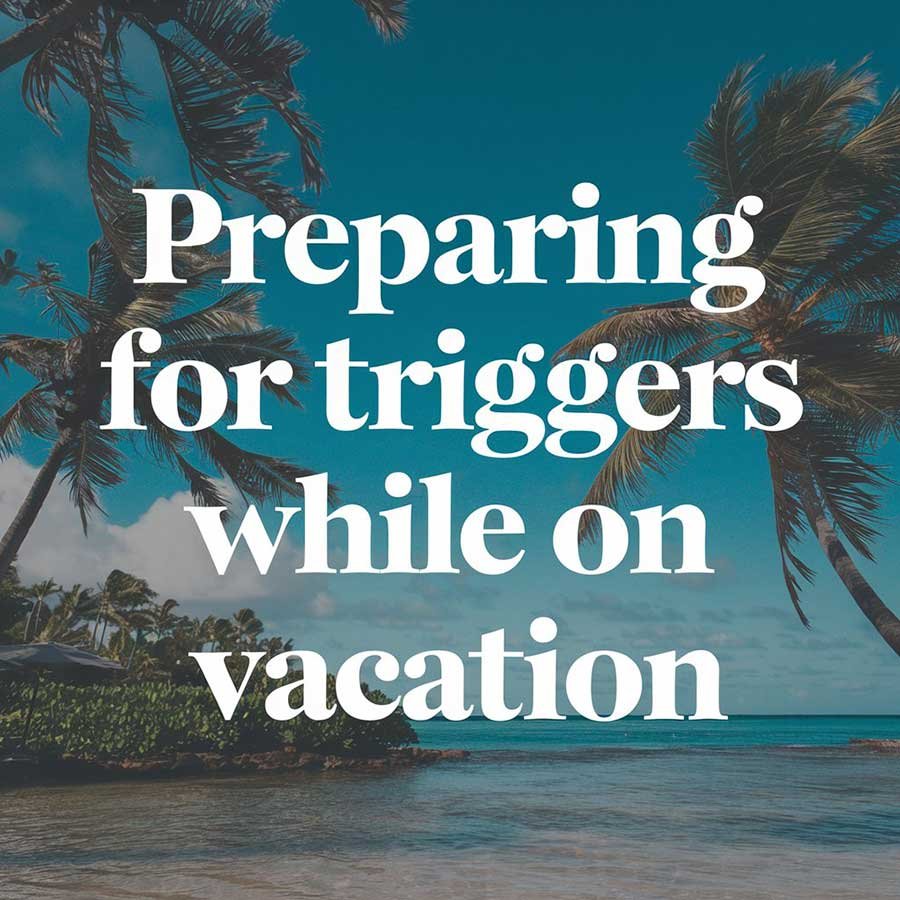
Preparing for Triggers While on Vacation
Vacations are a time for relaxation, adventure, and new experiences, but they can also present challenges for those in recovery. From social gatherings with alcohol to unfamiliar environments, it’s important to plan ahead to manage potential triggers. With the right strategies, you can enjoy a stress-free and fulfilling sober vacation.

Why Triggers Can Be More Intense While Traveling
- Unfamiliar surroundings – Being in a new place can create stress and uncertainty.
- Lack of routine – Travel disrupts normal habits, which can make cravings stronger.
- Social pressures – Friends, family, or cultural norms may encourage drinking or partying.
- Romanticizing past vacations – Memories of substance use while traveling may surface.
- Limited access to support systems – Recovery meetings and sober communities may not be as accessible.
How to Prepare for Triggers While on Vacation
1. Plan a Sober-Friendly Itinerary
- Choose destinations known for wellness, adventure, or cultural experiences.
- Prioritize activities that promote mindfulness, such as yoga, hiking, or sightseeing.
- Avoid staying in areas known for nightlife and heavy substance use.
2. Identify Your Triggers in Advance
- Reflect on past experiences to recognize what situations may challenge your sobriety.
- Create a list of triggers and plan responses for handling them effectively.
- Develop a mindset that focuses on the excitement of new experiences without substances.
3. Bring Your Own Non-Alcoholic Alternatives
- Pack your favorite teas, flavored waters, or non-alcoholic beverages.
- If attending social events, have a prepared response for declining alcoholic drinks.
- Seek out sober-friendly restaurants and cafes that offer alcohol-free options.
4. Stay Connected to Your Support System
- Schedule check-ins with your sponsor, therapist, or sober friends.
- Attend online recovery meetings if in-person meetings aren’t available.
- Join sober travel groups or connect with local recovery communities.
5. Practice Self-Care and Stress Management
- Stick to a sleep schedule to avoid exhaustion, which can lower resilience.
- Engage in meditation, journaling, or exercise to manage stress and anxiety.
- Take breaks from social events to recharge when needed.
6. Set Boundaries and Communicate Your Needs
- Let travel companions know about your sobriety and request their support.
- Be clear about what situations you’re comfortable with and which you’d rather avoid.
- Have an exit strategy if a setting becomes uncomfortable or triggering.
7. Have a Relapse Prevention Plan
- Carry a small reminder of why you chose sobriety, such as a journal or token.
- If cravings arise, step away from the situation and use grounding techniques.
- Remind yourself of past challenges and how much you’ve grown in recovery.
What to Do If You Face a Trigger on Vacation
- Pause and breathe – Take a moment to assess your feelings and reactions.
- Reach out for support – Call a trusted friend, sponsor, or recovery group.
- Engage in a healthy distraction – Go for a walk, visit a local attraction, or practice mindfulness.
- Remind yourself why you’re sober – Reflect on the benefits of sobriety and how it has improved your life.
Picture This
Imagine yourself on a breathtaking beach or exploring a vibrant city, completely present and free from the influence of substances. You wake up each day with clarity, energy, and excitement for new experiences. By preparing for triggers ahead of time, you fully embrace the joy of sober travel, making memories that last a lifetime.
Please Share This Article
If this article helped you, please share it with others who may benefit from preparing for triggers while on vacation.