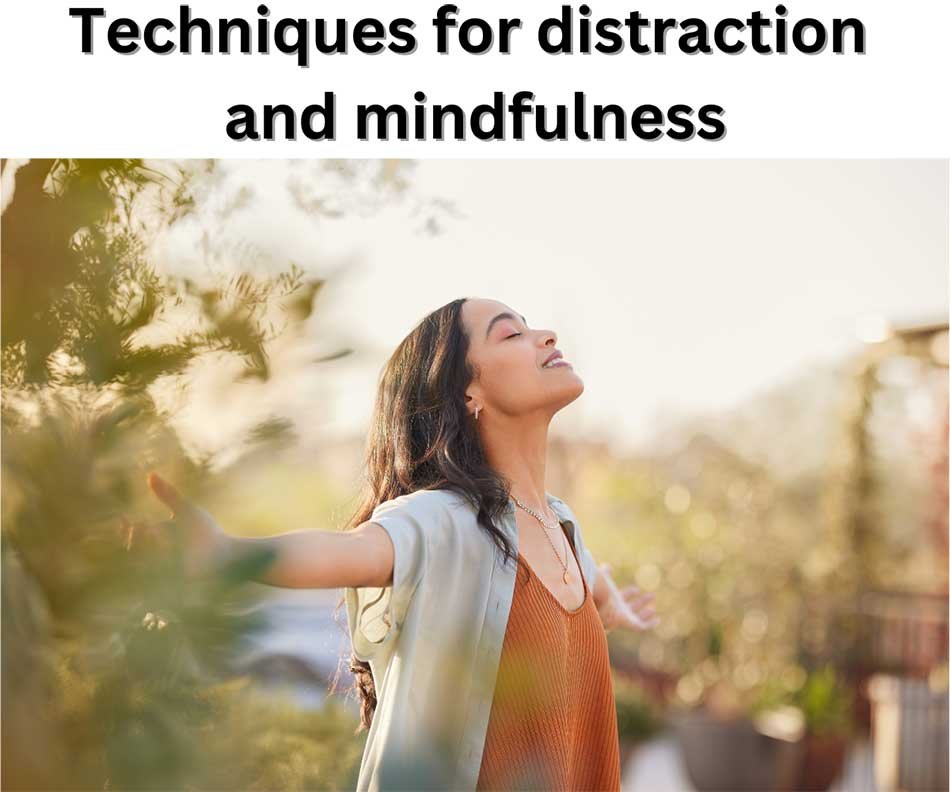
Techniques for Distraction and Mindfulness in Sobriety
Staying focused and present is a crucial part of maintaining sobriety. Distraction and mindfulness techniques can help you manage cravings, navigate stress, and stay grounded during challenging moments. By integrating these tools into your daily routine, you can foster resilience and enhance your overall well-being.

Why Distraction and Mindfulness Matter
The Role of Distraction:
- Provides a mental break from cravings or negative thoughts.
- Redirects energy toward positive and productive activities.
- Creates opportunities to build new, healthy habits.
The Role of Mindfulness:
- Encourages presence in the moment, reducing anxiety about the past or future.
- Helps you acknowledge and process emotions without judgment.
- Strengthens emotional regulation and self-awareness.
Techniques for Distraction
Distraction is most effective when it shifts your focus away from cravings or stress to something engaging and enjoyable. Here are practical distraction techniques:
1. Physical Activities
- Take a walk, jog, or bike ride to boost endorphins and change your environment.
- Try yoga or stretching for a combination of physical movement and relaxation.
- Engage in household tasks like cleaning or organizing to stay busy.
2. Creative Outlets
- Explore hobbies like painting, drawing, or crafting.
- Write in a journal, create poetry, or start a blog.
- Experiment with photography or making videos.
3. Social Interaction
- Call or visit a friend or family member who supports your sobriety.
- Join a group activity, class, or support meeting.
- Volunteer for a cause that aligns with your interests.
4. Entertainment
- Watch a favorite movie, TV series, or documentary.
- Listen to uplifting music or an engaging podcast.
- Read a book or dive into an audiobook.
5. Puzzles and Games
- Play a board game, card game, or online game.
- Solve crossword puzzles, Sudoku, or jigsaw puzzles.
- Engage in brain-training apps or challenges.
Techniques for Mindfulness
Mindfulness helps you stay present, observe your thoughts, and reduce stress without reacting impulsively. Incorporate these mindfulness techniques into your daily life:
1. Deep Breathing
- How to Do It: Inhale deeply for four counts, hold for four counts, and exhale for four counts.
- Benefits: Calms the nervous system and reduces feelings of anxiety.
2. Body Scan Meditation
- How to Do It: Sit or lie down and focus on each part of your body, starting at your toes and moving upward.
- Benefits: Promotes relaxation and awareness of physical sensations.
3. Grounding Techniques
- How to Do It: Identify five things you see, four things you feel, three things you hear, two things you smell, and one thing you taste.
- Benefits: Anchors you to the present moment and interrupts negative thought patterns.
4. Guided Meditation
- How to Do It: Use apps like Headspace or Calm, or search for guided meditations on YouTube.
- Benefits: Provides structure and guidance for mindfulness practice.
5. Gratitude Practice
- How to Do It: Write down three things you’re grateful for each day.
- Benefits: Shifts focus from challenges to positive aspects of your life.
6. Mindful Movement
- How to Do It: Engage in slow, deliberate movements like tai chi or mindful walking.
- Benefits: Combines physical activity with mental focus.
7. Mindful Eating
- How to Do It: Focus on the texture, taste, and smell of your food. Eat slowly and savor each bite.
- Benefits: Enhances enjoyment and awareness of your meals.
Combining Distraction and Mindfulness
Distraction and mindfulness don’t have to be separate practices—they can complement each other. For example:
- While walking or exercising, practice mindfulness by focusing on your breath or surroundings.
- Use creative outlets like painting or journaling as a form of mindful self-expression.
- Engage in a relaxing activity, such as doing a puzzle, while focusing on the sensations and process.
Picture This
Imagine encountering a craving or stressful moment and using these techniques to regain control. Picture yourself finding peace through mindfulness or joy in a favorite distraction. With every practice, you strengthen your ability to navigate challenges and stay rooted in your sobriety journey.
Share This Article
If you know someone who could benefit from distraction and mindfulness techniques in their recovery journey, please share this article with them. Your encouragement might provide them with the tools they need to succeed.
Disclaimer
This article is based on personal experiences and observations. It does not represent or speak for any Anonymous programs.