Understanding Addiction
What Is Addiction?
Addiction is a complex, chronic condition that affects the brain, behavior, and overall well-being. It goes beyond a simple lack of willpower—it rewires the brain’s reward system, making it incredibly difficult for individuals to stop using substances or engaging in addictive behaviors despite harmful consequences.
Whether it’s drugs, alcohol, gambling, or even social media, addiction can take many forms, impacting not only the individual but also their family, friends, and society as a whole. Understanding addiction is the first step toward compassion, recovery, and healing.
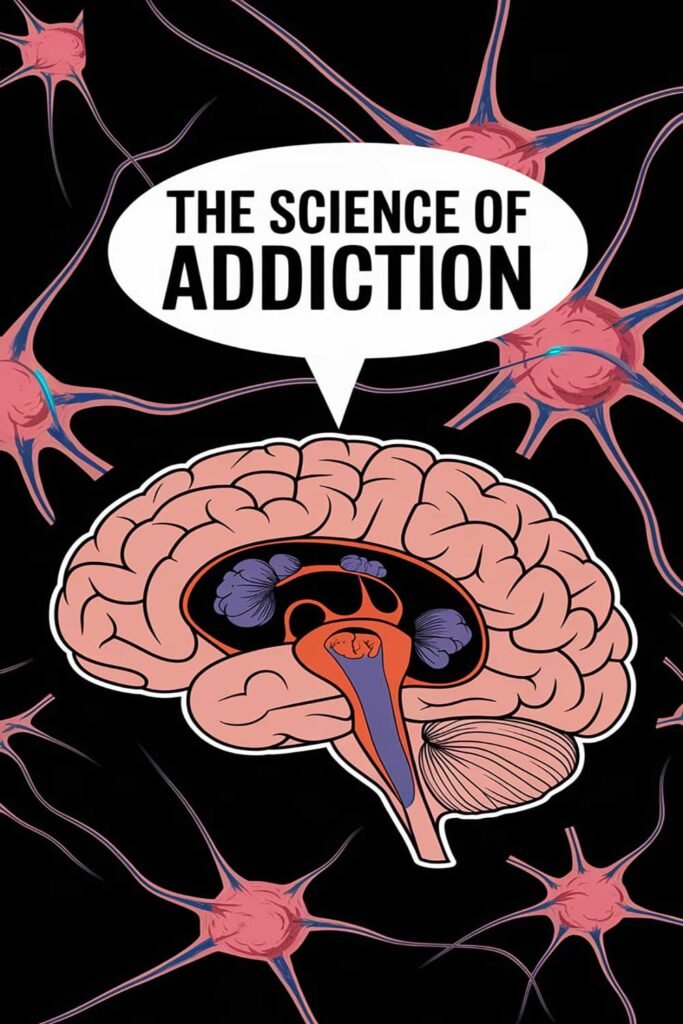
The Science Behind Addiction
How Addiction Affects the Brain
At its core, addiction hijacks the brain’s reward system—the part responsible for motivation, pleasure, and reinforcement of behaviors.
- When a person engages in an addictive behavior or consumes a substance, dopamine (the “feel-good” chemical) is released in large amounts.
- Over time, the brain adapts to these high dopamine levels by reducing its natural production.
- This leads to tolerance (needing more of the substance or behavior to achieve the same effect) and dependence(experiencing withdrawal when not using).
The Role of Genetics and Environment
Addiction is influenced by both genetic predisposition and environmental factors:
- Genetics: Some individuals are more vulnerable due to inherited traits.
- Early Exposure: Childhood trauma, neglect, or early substance use increases addiction risk.
- Mental Health Conditions: Depression, anxiety, and PTSD often co-exist with addiction.
- Social Influence: Peer pressure, cultural norms, and family dynamics play a role.
Types of Addiction
1. Substance Addictions
These involve the compulsive use of drugs or alcohol despite negative consequences. Common examples include:
- Alcohol Addiction (Alcoholism)
- Opioid Addiction (Painkillers, Heroin, Fentanyl)
- Nicotine Addiction (Cigarettes, Vaping)
- Stimulant Addiction (Cocaine, Methamphetamine, Adderall)
2. Behavioral Addictions
These involve compulsive behaviors that trigger the brain’s reward system similarly to substances. Examples include:
- Gambling Addiction
- Social Media and Internet Addiction
- Food Addiction (Binge Eating Disorder)
- Sex and Pornography Addiction
- Shopping Addiction
Signs and Symptoms of Addiction
Recognizing addiction is crucial for early intervention. Symptoms may include:
- Loss of Control: Inability to stop using or engaging in the behavior.
- Cravings: Strong urges or thoughts about using the substance.
- Neglecting Responsibilities: Work, school, or relationships suffer.
- Withdrawal Symptoms: Physical or emotional distress when not using.
- Increased Tolerance: Needing more to feel the same effect.
- Risky Behaviors: Driving under the influence, financial problems, or legal issues.
The Cycle of Addiction
- Initial Use: Experimentation due to curiosity, social pressure, or pain relief.
- Regular Use: Increased frequency as the brain associates it with pleasure.
- Risky Use: Negative consequences emerge (health, relationships, work).
- Dependence: The body and mind crave the substance, making quitting difficult.
- Addiction: Complete loss of control, with compulsive use despite harm.
- Withdrawal & Relapse: Attempts to quit may lead to painful withdrawal symptoms, increasing the likelihood of relapse.
Breaking the Cycle: Overcoming Addiction
Step 1: Acknowledgment
The first step toward recovery is recognizing the problem. Denial is common, so self-reflection or an intervention from loved ones may be necessary.
Step 2: Seeking Help
Addiction is difficult to overcome alone. Professional help includes:
- Therapy & Counseling: Cognitive Behavioral Therapy (CBT) helps change thought patterns.
- Support Groups: Alcoholics Anonymous (AA), Narcotics Anonymous (NA), SMART Recovery.
- Medical Treatment: Detox programs, medication-assisted treatment (MAT) for opioid or alcohol addiction.
Step 3: Building a Support System
A strong support network of family, friends, and sober communities is vital for long-term recovery.
Step 4: Healthy Coping Strategies
Replacing addiction with positive habits strengthens recovery. These include:
- Exercise & physical activity
- Mindfulness and meditation
- Creative outlets (music, art, writing)
- Volunteering and giving back
Step 5: Avoiding Triggers
Recognizing and managing triggers—people, places, emotions, or stressors—is key to preventing relapse.
Inspirational Quotes About Overcoming Addiction
- “Recovery is an acceptance that your life is in shambles and you have to change it.” – Jamie Lee Curtis
- “It does not matter how slowly you go as long as you do not stop.” – Confucius
- “One day at a time. This is enough.” – Unknown
- “Hardships often prepare ordinary people for an extraordinary destiny.” – C.S. Lewis
- “You don’t have to see the whole staircase, just take the first step.” – Martin Luther King Jr.
- “Addiction is a battle, but recovery is a victory worth fighting for.” – Unknown
- “Sometimes we motivate ourselves by thinking of what we want to become. Sometimes we motivate ourselves by thinking about what we don’t want to become.” – Shane Niemeyer
- “Our greatest glory is not in never falling, but in rising every time we fall.” – Confucius
- “No matter how dark the moment, love and hope are always possible.” – George Chakiris
- “The only way out is through.” – Robert Frost
Picture This
Imagine waking up and feeling free—free from cravings, free from the guilt of past mistakes, and free to live the life you were meant to live. You no longer feel controlled by addiction. Instead, you wake up with clarity, a sense of purpose, and hope for the future. You spend your days building relationships, chasing dreams, and embracing life’s opportunities. Each step you take away from addiction is a step toward a brighter future. Can you see yourself walking that path? Because it’s possible, and it starts today.
Please Share This Article
If you found this article helpful, please share it with anyone who might be struggling with addiction or seeking to understand it better. Your support could change someone’s life.