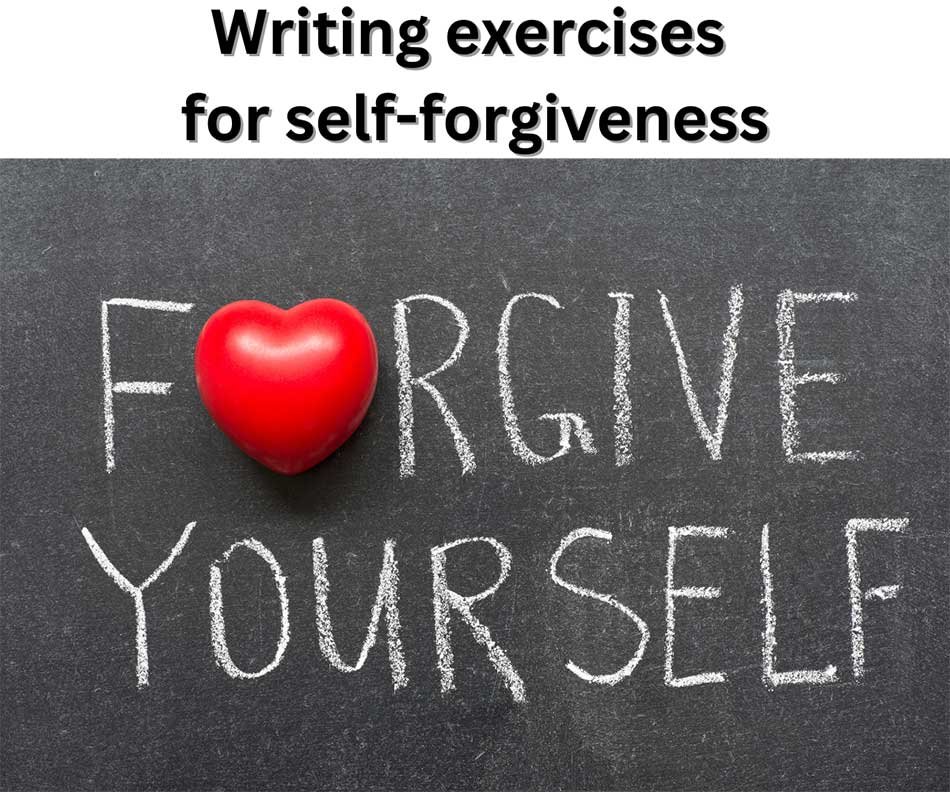
Writing Exercises for Self-Forgiveness
Forgiving yourself is a vital part of recovery and personal growth. Writing exercises can help you process emotions, reflect on past actions, and build a sense of self-compassion. Through journaling and structured writing, you can work toward releasing guilt and shame, gaining clarity, and moving forward with confidence.

Why Writing Helps With Self-Forgiveness
1. Provides Clarity
- Writing helps you organize your thoughts and gain a deeper understanding of your feelings.
2. Encourages Emotional Release
- Putting your emotions on paper allows you to release pent-up guilt, shame, or anger.
3. Facilitates Reflection
- Writing offers a safe space to explore your actions, identify lessons, and envision growth.
4. Builds Compassion
- Through writing, you can shift your perspective, learning to treat yourself with kindness and understanding.
Writing Exercises for Self-Forgiveness
1. The Forgiveness Letter
Write a letter to yourself, expressing understanding and compassion for past mistakes.
Steps:
- Begin with a salutation, such as “Dear [Your Name].”
- Acknowledge the actions or decisions that have caused guilt or shame.
- Express understanding for why you acted as you did, considering the circumstances or emotions at the time.
- Offer forgiveness to yourself, affirming that you are committed to growth and learning.
- End with an encouraging note, such as, “I am proud of the progress you’ve made.”
Example:
“Dear [Your Name],
I know you’ve been carrying the weight of [specific action or mistake]. I understand that you were struggling and did the best you could with what you knew at the time. I forgive you for that mistake, and I’m proud of the steps you’re taking to grow and heal. Remember, you are worthy of love and redemption.
With compassion, [Your Name]”
2. The “What I’ve Learned” Journal
Reflect on the lessons your past actions have taught you and how they’ve shaped your recovery journey.
Prompts:
- What have I learned about myself from this experience?
- How has this mistake helped me grow or change for the better?
- What steps have I taken to ensure I won’t repeat this mistake?
Purpose:
Focuses on growth and transformation, allowing you to reframe past actions as stepping stones rather than failures.
3. Gratitude for Growth
List the positive changes you’ve made since beginning your recovery and the actions you’re proud of.
Prompts:
- What am I proud of accomplishing in my sobriety journey?
- How have I shown strength or resilience?
- What small wins can I celebrate today?
Purpose:
Shifting focus to your accomplishments builds self-esteem and reinforces self-forgiveness.
4. Dialogue With Your Past Self
Write a conversation between your current self and your past self, offering support and guidance.
Steps:
- Write from the perspective of your present self, addressing your past self with empathy.
- Allow your past self to respond, expressing fears, regrets, or confusion.
- Reassure your past self, emphasizing the progress you’ve made and the lessons learned.
Example:
Present Self: “I know you were feeling lost and overwhelmed when you made those choices. I want you to know it’s okay to forgive yourself.”
Past Self: “I feel like I let everyone down. I don’t know if I can move forward.”
Present Self: “You’ve already taken steps to grow and heal. You’re stronger than you think, and I’m proud of you.”
5. Future Self Letter
Write a letter to your future self, envisioning the person you want to become.
Steps:
- Address the letter to yourself a year from now.
- Describe the progress you hope to have made.
- Offer encouragement and affirmations.
- Include statements of forgiveness and commitment to growth.
Purpose:
Envisioning a positive future helps you focus on moving forward rather than dwelling on the past.
6. The Release Exercise
Write about your guilt or shame in detail, then symbolically let it go.
Steps:
- Write freely about the feelings and actions you wish to release.
- Read what you’ve written aloud to yourself as a way of acknowledging it.
- Physically let go of the paper by shredding it, burning it (safely), or discarding it.
Purpose:
This exercise creates a tangible act of release, helping you move past lingering negativity.
Picture This
Imagine feeling lighter and freer with each word you write, shedding the weight of guilt and shame. Picture yourself embracing self-forgiveness, confident in your ability to grow and learn from the past. With each writing exercise, you’re building a stronger, more compassionate relationship with yourself.
Share This Article
If you know someone struggling to forgive themselves, please share this article with them. Your support could help them find peace and empowerment through writing.
Disclaimer
This article is based on personal experiences and observations. It does not represent or speak for any Anonymous programs.