Why You Should Not Fear Getting Clean and Sober: 8 Common Fears and the Truth Behind Them
Fear is one of the biggest reasons people put off getting clean and sober. It can sound like a lot of things: what will I do, who will I be, what if I cannot do it? These fears are real, and almost everyone has them.
But some fears look much bigger from the outside than they turn out to be. Here are eight common ones, along with what many people find on the other side. If you are still deciding whether you are ready, our guide on how to decide it is time to get sober may help.
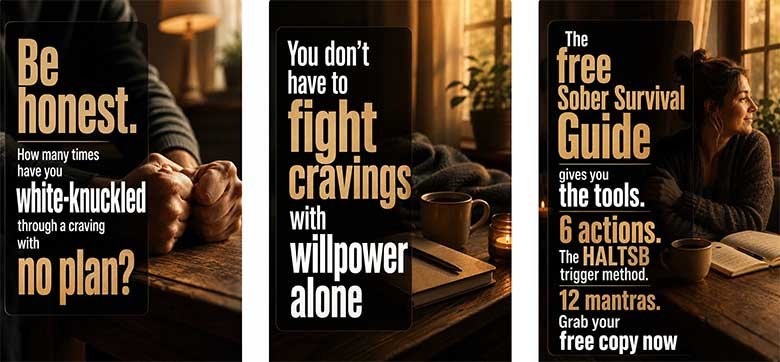
Get the Free Sober Survival Guide for the First Step
Download the free Sober Survival Guide and get practical, honest support for the ordinary days recovery actually happens on.
Get the Free Guide1. Fear: “I will never have fun again.” Fun does not go away. It changes.
Many people connect fun with drinking or using, so the idea of giving it up feels like giving up joy. But the things that made you laugh and feel alive were not only in the bottle. Over time, people find that fun comes back in a different and often fuller way.
Make a list of three things you enjoyed before substances became part of your life. For more ideas, read about how to have fun without alcohol or drugs.
2. Fear: “I will lose my friends.” Some friendships change, and new ones grow.
It is honest to say that some friendships may fade, especially if they were built around drinking or using. That can hurt. But many people also find that the friends who truly care about them stay, and that they make new ones who understand.
Pick one friend you trust and tell them what you are doing. You may be surprised at how supportive they are.
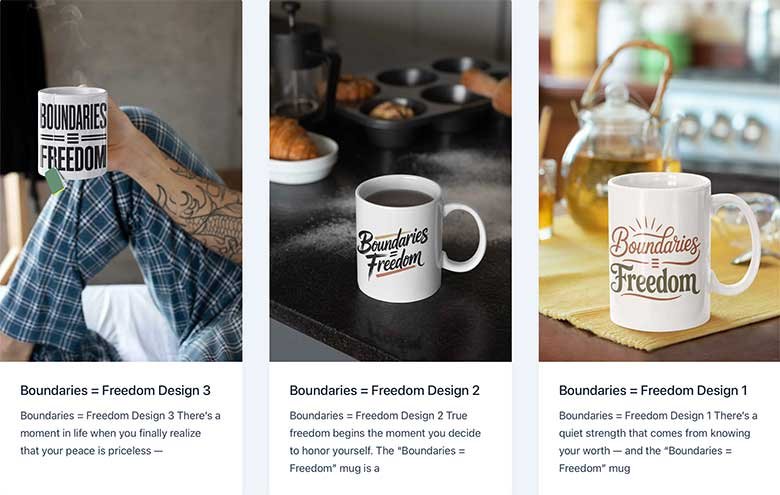
Start Fresh With a Reminder of Your Courage
Premier Print Works creates quality prints, mugs, and shirts for people who are beginning something new and brave. Find what speaks to your journey today.
Visit Premier Print Works3. Fear: “Withdrawal will be too much.” It can be serious, which is why you should not go through it alone.
This fear is a good one to take seriously. Withdrawal from alcohol and some other substances can be dangerous and, in some cases, life-threatening. But the answer is not to avoid getting sober. The answer is to get medical help so it can be done safely and with less discomfort.
Talk to a doctor or call the helpline listed at the bottom of this page before you stop. To learn more, see these detox tips with medical guidance.
“Fear tells you the road is too long. Courage only asks you to take the next step.”
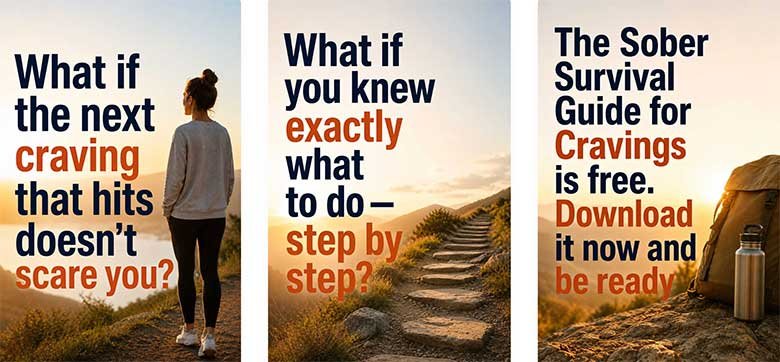
Keep This Guide Close When Fear Shows Up
The free Sober Survival Guide offers honest, practical support to return to whenever fear gets loud.
Download the Free Guide4. Fear: “I will fail.” Many people need more than one try, and that is part of the path.
The fear of failing can stop people from starting at all. But a relapse is a medical event, not a moral failure, and it does not erase what you have learned. Many people who are sober today say they tried more than once.
Instead of aiming for perfect, aim for one day at a time. For more on this, read about how to overcome the fear of relapse.
5. Fear: “People will judge me.” Fewer people will than you think.
Worry about what others will say can feel heavy. In real life, most people are more supportive than we expect, and many are dealing with their own struggles. The ones who judge often say more about themselves than about you.
You decide who to tell and when. Start with one or two people you trust and take it from there.
6. Fear: “I will not know who I am.” You get to find out.
When a substance has been part of your daily life for a long time, it can feel like part of who you are. It is normal to wonder who you will be without it. But many people find that the real person was there all along, and that they like that person.
Spend a little time each week trying something that interests you. Notice what feels like you.
7. Fear: “I will not be able to handle my feelings.” You will learn how, one at a time.
Substances can numb hard feelings, so the thought of feeling them can be scary. Feelings can be intense at first, but they pass. With time, support, and practice, most people learn to get through them.
Find one person, like a friend, a counselor, or a support group, to talk to when feelings get big. You do not have to carry them alone.
8. Fear: “It is too late for me.” It is not.
People get sober at every age and after every kind of history. It does not matter how long you have been using or how many times you have tried before. What matters is that you are thinking about it now.
Take one small step today, such as calling a helpline, making a doctor’s appointment, or telling a friend. That is how it starts.
Keep the Free Sober Survival Guide Close
The Sober Survival Guide is built for the early, uncertain days this article talks about: honest, practical, and free.
Get the Free GuideReal Stories, Real Results
Marguerite spent years afraid to get sober. She was sure she would lose her friends, have no fun, and not know what to do with herself. Each time she thought about quitting, the fear won.
When she finally reached out for help, she started with a doctor. He helped her do it safely. She said many of the things she had feared never happened the way she imagined. Some friendships changed, but she found new ones. She said the fear had been bigger than the reality, and that she wished she had asked for help sooner.
The First Step Is the Hardest
Fear is a normal part of change, and it does not mean you should not go forward. Many people find that what they feared was much smaller than what they gained.
Take one small step today and let the next one come when you are ready. The free Sober Survival Guide offers more honest, practical support for the early days.
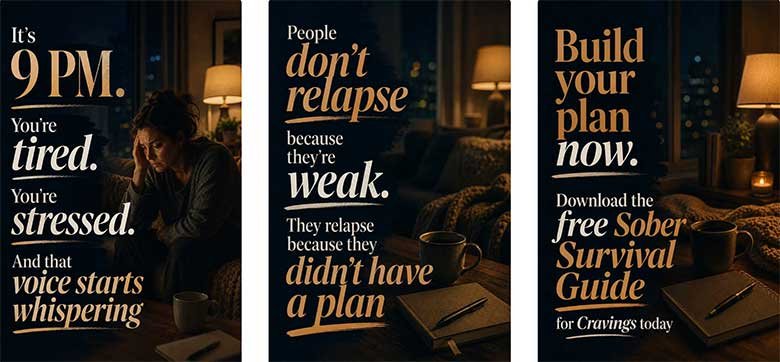
Ready for Support to Take the First Step?
The free Sober Survival Guide walks alongside you with honest, practical help from the very beginning.
Download Free Now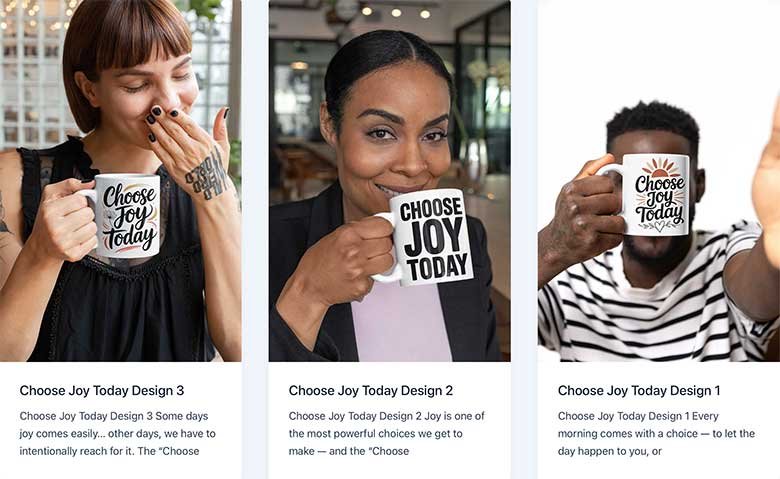
Fill Your Space With Courage
Premier Print Works makes quality prints, mugs, and shirts for people building a fresh start. Browse the collection and find what speaks to you.
Visit Premier Print WorksDisclaimer
The content on this page is for informational and inspirational purposes only. It is not a substitute for professional medical or mental health treatment. Recovery from substance use is a medical and personal process, and the right path looks different for everyone. If you are currently using and considering stopping, please do not detox alone — withdrawal from some substances can be medically dangerous and, in some cases, life-threatening. Speak with a doctor or a treatment provider before stopping on your own.
If you or someone you know is struggling with substance use, the SAMHSA National Helpline is available free and confidential, 24/7, at 1-800-662-4357. You can also find local treatment options at findtreatment.gov. If you or someone you know is in crisis, including thoughts of suicide, call or text 988 to reach the 988 Suicide and Crisis Lifeline.
A relapse is a medical event, not a moral failure, and it does not erase the progress made before it. If a relapse happens, please reach out to a doctor, treatment provider, or the resources above for support in staying safe.
The story of Marguerite is an illustrative composite character created to bring the content to life. She is not a real person. Any resemblance to a real person is purely coincidental.
Some links on this page, including links to Premier Print Works and other resources, are affiliate links. If you make a purchase through one of these links, we may earn a small commission at no extra cost to you. We do not own, produce, or control any affiliate products, and we are not responsible for them — we only own and sell the products offered through our own store, Premier Print Works.
All content on Life and Sobriety is the property of Digital Marketing 215 LLC and is protected by copyright law. No part of this page may be copied, reproduced, republished, distributed, or transmitted in any form without prior written permission from the author.