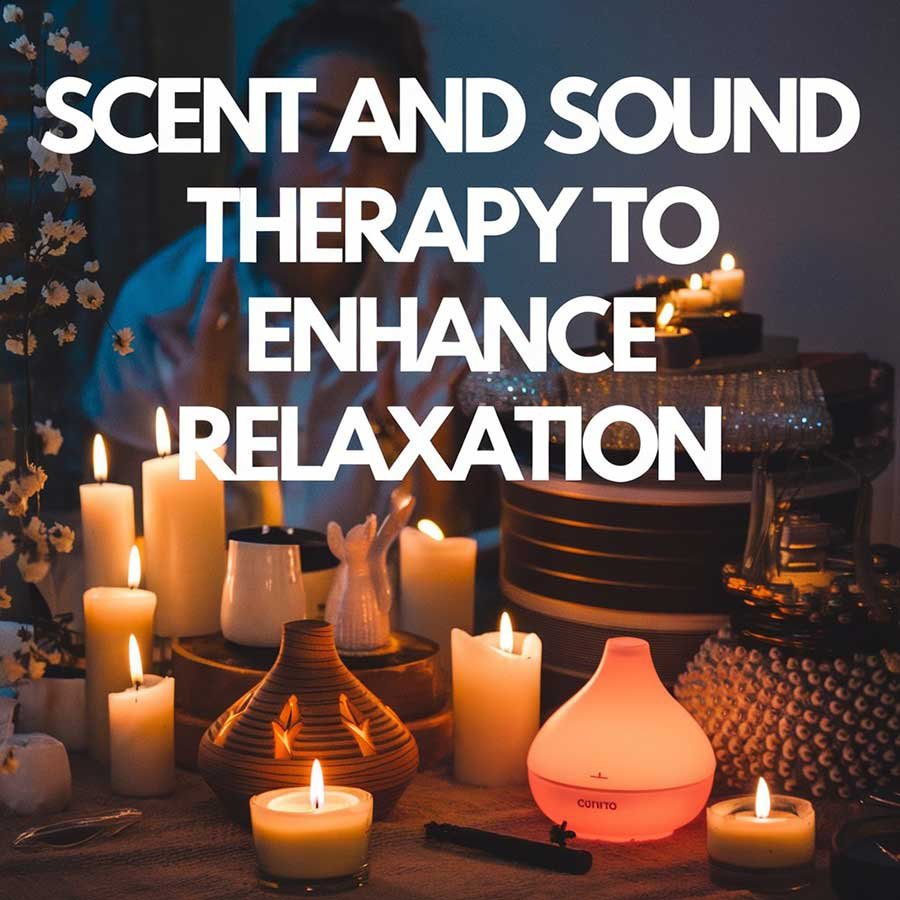
Scent and Sound Therapy to Enhance Relaxation
Creating a relaxing environment goes beyond visual aesthetics—scent and sound therapy can profoundly impact mood, stress levels, and overall well-being. By incorporating calming scents and soothing sounds into your daily routine, you can transform your space into a sanctuary of peace and tranquility. Here’s how to use scent and sound therapy to enhance relaxation and improve your overall quality of life.

1. The Science Behind Scent and Sound Therapy
Both scent and sound have a direct effect on the brain. Certain aromas can trigger positive emotions, reduce stress, and even improve cognitive function. Similarly, soothing sounds can lower blood pressure, slow the heart rate, and promote relaxation by engaging the parasympathetic nervous system.
How It Works:
- Aromatherapy: The olfactory system (sense of smell) is linked to the limbic system, which controls emotions and memories.
- Sound Therapy: Certain frequencies and rhythms influence brain wave activity, promoting relaxation and stress relief.
2. The Power of Scent Therapy
Aromatherapy uses essential oils and natural scents to promote relaxation, improve mood, and enhance mental clarity.
Best Scents for Relaxation:
- Lavender: Known for its calming and sleep-inducing properties.
- Chamomile: Reduces anxiety and promotes inner peace.
- Sandalwood: Grounding and comforting, great for meditation.
- Eucalyptus: Clears the mind and refreshes the senses.
- Rosemary: Improves concentration while reducing stress.
- Ylang-Ylang: Balances emotions and promotes relaxation.
Ways to Incorporate Scent Therapy:
- Diffusers: Use an essential oil diffuser to disperse calming scents throughout your home.
- Candles: Choose natural soy or beeswax candles infused with essential oils.
- Room Sprays: Create a DIY mist with water and essential oils.
- Bath Rituals: Add a few drops of essential oils to your bath for deep relaxation.
- Scented Satchels: Place herbal sachets with lavender or chamomile under your pillow or in drawers.
3. The Benefits of Sound Therapy
Sound therapy involves using specific sounds, frequencies, and vibrations to relax the mind and body. The right sounds can help reduce stress, improve sleep, and create a more peaceful atmosphere.
Best Sounds for Relaxation:
- Nature Sounds: Rain, ocean waves, birds chirping, and rustling leaves create a calming ambiance.
- White Noise: Helps drown out distractions and improve focus or sleep.
- Binaural Beats: Specific frequencies that encourage deep relaxation and meditation.
- Tibetan Singing Bowls: Produce vibrations that promote emotional balance.
- Soft Instrumental Music: Gentle piano, guitar, or harp melodies can reduce anxiety and enhance mood.
Ways to Use Sound Therapy:
- Meditation Playlists: Listen to calming music or binaural beats while meditating.
- Sound Machines: Use a white noise machine to mask background noise and promote sleep.
- Nature Sounds Apps: Play rain or ocean waves while working or winding down.
- Chanting and Mantras: Repeating soothing sounds like “Om” can help center the mind.
- Live Instruments: Experiment with wind chimes, Tibetan bowls, or soft drumming.
4. Combining Scent and Sound for Maximum Relaxation
For the ultimate relaxation experience, combine scent and sound therapy into a cohesive wellness routine.
Relaxation Ritual Ideas:
- Morning Clarity: Start your day with invigorating citrus scents and gentle acoustic music.
- Midday Reset: Use peppermint or rosemary aromatherapy with nature sounds for a refreshing break.
- Evening Wind-Down: Diffuse lavender essential oil while playing soft piano melodies.
- Sleep Sanctuary: Use chamomile or sandalwood scent with white noise or ocean waves to enhance sleep.
- Meditation Space: Create a tranquil area with incense, Tibetan bowls, and soothing instrumental music.
5. Maintaining a Relaxing Atmosphere Daily
Consistency is key in making scent and sound therapy a beneficial part of your life. By incorporating these elements into your daily routine, you can cultivate a peaceful environment that enhances well-being.
Tips for Daily Relaxation:
- Create a Signature Scent for Your Home: Use a consistent blend of essential oils that resonates with you.
- Schedule Sound Therapy Sessions: Set aside time for sound baths or relaxing playlists.
- Use Scent to Signal Transitions: Different scents for morning, work, and bedtime can help create structure.
- Explore New Combinations: Experiment with various scents and sounds to find what works best for you.
- Stay Mindful: Take moments to pause, breathe deeply, and enjoy the sensory experience.
Picture This
Imagine stepping into your home after a hectic day. The air carries the soothing aroma of lavender and chamomile, immediately easing your mind. In the background, soft ocean waves play, creating a serene escape from the outside world. You sink into a cozy chair, take a deep breath, and feel the stress melt away. Your home is no longer just a space—it’s a sanctuary of peace, where every scent and sound works in harmony to restore your balance and well-being.
Please Share This Article
If you found this article helpful, please share it with anyone who might benefit from integrating scent and sound therapy into their relaxation routine. A peaceful home leads to a peaceful mind!