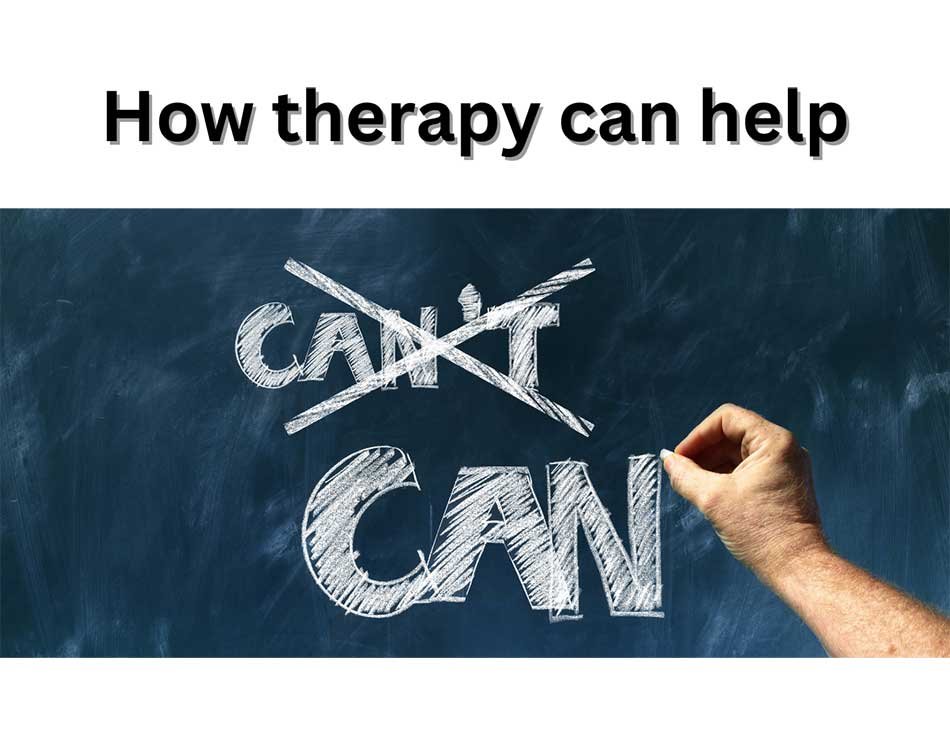
How Therapy Can Help in Sobriety
Therapy is a powerful tool for anyone seeking sobriety or maintaining long-term recovery. It provides a safe, supportive environment to explore emotions, address underlying issues, and develop healthy coping strategies. Whether you’re at the beginning of your journey or looking to strengthen your progress, therapy can play a vital role in achieving and sustaining a substance-free life.

The Role of Therapy in Recovery
Therapy offers personalized support tailored to your unique challenges and goals. Here’s how it helps:
1. Identifying Root Causes
- Therapists help uncover the underlying reasons for substance use, such as trauma, anxiety, or depression.
- Addressing these root causes is essential for long-term recovery.
2. Developing Healthy Coping Mechanisms
- Therapy provides tools to manage stress, cravings, and emotional triggers.
- Learning alternative coping strategies reduces reliance on substances.
3. Building Self-Awareness
- Reflection and exploration during therapy sessions enhance self-understanding.
- Greater awareness helps you recognize patterns and make healthier choices.
4. Strengthening Relationships
- Therapy can improve communication and resolve conflicts with loved ones.
- Family or couples therapy helps rebuild trust and strengthen support networks.
5. Providing Accountability and Support
- Regular sessions keep you accountable to your recovery goals.
- A therapist offers encouragement and guidance through challenges.
Types of Therapy for Sobriety
Various therapeutic approaches cater to different needs. Here are some commonly used methods:
1. Cognitive Behavioral Therapy (CBT)
- Focuses on identifying and changing negative thought patterns and behaviors.
- Teaches practical skills to manage cravings and prevent relapse.
2. Dialectical Behavior Therapy (DBT)
- Emphasizes emotional regulation, mindfulness, and interpersonal skills.
- Particularly effective for individuals with co-occurring mental health conditions.
3. Motivational Interviewing (MI)
- Helps explore and resolve ambivalence about sobriety.
- Encourages intrinsic motivation to make positive changes.
4. Trauma-Focused Therapy
- Addresses unresolved trauma that may contribute to substance use.
- Techniques like EMDR (Eye Movement Desensitization and Reprocessing) can be beneficial.
5. Group Therapy
- Offers peer support and shared experiences.
- Facilitates connection and reduces feelings of isolation.
Benefits Beyond Sobriety
Therapy not only supports sobriety but also enhances overall quality of life. Additional benefits include:
1. Improved Mental Health
- Reduces symptoms of anxiety, depression, and PTSD.
- Builds resilience and emotional strength.
2. Enhanced Problem-Solving Skills
- Equips you to handle life’s challenges effectively.
- Encourages proactive decision-making and adaptability.
3. Greater Self-Compassion
- Promotes forgiveness and acceptance of past mistakes.
- Helps you build a positive relationship with yourself.
When to Seek Therapy
Therapy can be beneficial at any stage of recovery. Consider seeking therapy if you:
- Struggle with cravings or triggers.
- Feel stuck or unsure about your recovery journey.
- Experience unresolved trauma or mental health challenges.
- Want to improve relationships or build a stronger support system.
How to Get Started
1. Choose the Right Therapist
- Look for someone experienced in addiction recovery or relevant specialties.
- Consider therapists who align with your values and preferences (e.g., gender, cultural background).
2. Explore Options
- Many therapists offer in-person, online, or hybrid sessions.
- Check with your insurance provider or explore sliding-scale payment options.
3. Set Clear Goals
- Discuss your recovery objectives during the first session.
- Collaborate with your therapist to create a personalized plan.
Picture This
Imagine sitting in a supportive space where you can share your thoughts and feelings openly, knowing you won’t be judged. Picture yourself gaining clarity, learning new coping strategies, and growing stronger with each session. With therapy, you’re not just addressing the challenges of sobriety—you’re building a life of resilience, self-awareness, and fulfillment.
Share This Article
If you know someone who could benefit from therapy in their recovery journey, please share this article with them. Your support might inspire them to take the first step toward healing and growth.
Disclaimer
This article is based on personal experiences and observations. It does not represent or speak for any Anonymous programs.