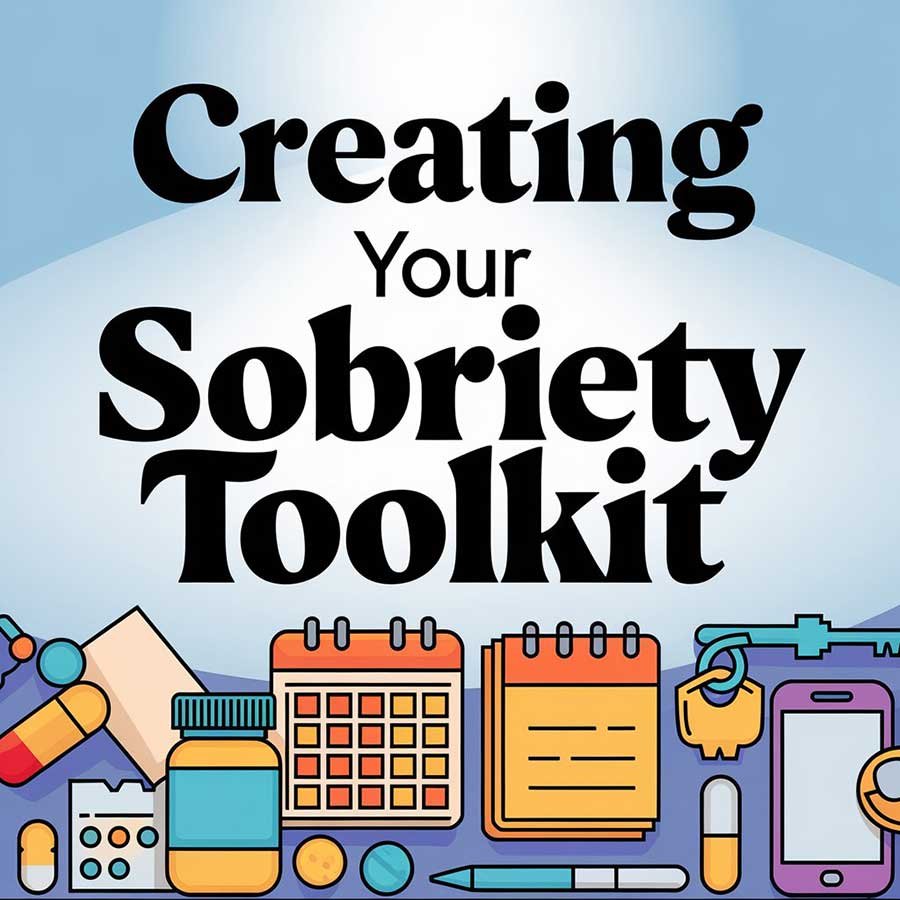
Creating Your Sobriety Toolkit
A strong sobriety toolkit is an essential part of maintaining recovery and navigating the challenges of a sober lifestyle. Having the right tools at your disposal can provide motivation, support, and practical strategies to stay on track. Whether you’re newly sober or have been on this journey for years, building a personalized sobriety toolkit can help you stay committed and resilient.

1. Understanding Your Sobriety Toolkit
A sobriety toolkit consists of resources, strategies, and support systems designed to help you maintain your sobriety. It should include a mix of mental, emotional, and practical tools that work best for you. Think of it as your personal survival kit for recovery.
2. Essential Components of a Sobriety Toolkit
1. Support System
- Surround yourself with people who encourage your sobriety.
- Join a 12-step program like AA or NA, or seek alternative support groups like SMART Recovery.
- Keep a list of trusted friends, sponsors, or mentors to contact in difficult moments.
2. Daily Sobriety Practices
- Develop a structured routine to maintain stability.
- Set small, achievable goals for personal growth.
- Keep a journal to track progress, triggers, and reflections.
- Practice gratitude daily to shift focus to positive aspects of life.
3. Coping Strategies for Triggers
- Identify your personal triggers and create a plan to address them.
- Have a list of safe activities to engage in when cravings hit.
- Develop breathing exercises and mindfulness techniques to manage stress.
- Use grounding exercises, such as the “5-4-3-2-1” method, to regain control in overwhelming situations.
4. Emergency Plan for High-Risk Situations
- Have a plan in place for social events where alcohol or drugs may be present.
- Create an exit strategy for uncomfortable situations.
- Keep a list of emergency contacts, including a therapist, sponsor, or support group leader.
5. Healthy Lifestyle Habits
- Engage in regular physical activity to reduce stress and improve mood.
- Maintain a balanced diet to support mental and physical well-being.
- Get enough sleep to restore and recharge your body and mind.
6. Sobriety Resources
- Books: This Naked Mind by Annie Grace, The Unexpected Joy of Being Sober by Catherine Gray.
- Podcasts: Recovery Elevator, That Sober Guy.
- YouTube Channels: Sober James, Recovered On Purpose.
- Apps: I Am Sober, Sober Grid, Reframe.
7. Personal Reminders of Your Why
- Keep a letter to yourself about why you chose sobriety.
- Create a vision board with images that represent your sober future.
- Wear a sobriety bracelet or carry a token as a daily reminder of your commitment.
3. Inspirational Quotes for Strength and Motivation
“Sobriety is not about giving up something—it’s about gaining everything.” – Unknown
“You didn’t come this far to only come this far.” – Unknown
“One day at a time. One moment at a time.” – Unknown
“The pain of discipline is far less than the pain of regret.” – Sarah Bombell
“Courage isn’t having the strength to go on—it is going on when you don’t have strength.” – Napoleon Bonaparte
“Your future is created by what you do today, not tomorrow.” – Robert Kiyosaki
“You are stronger than you think, and braver than you believe.” – Unknown
“Recovery is hard, but so is living with addiction. Choose your hard.” – Unknown
“It does not matter how slowly you go as long as you do not stop.” – Confucius
“Relapse is not a failure; it’s a lesson. Learn from it and keep moving forward.” – Unknown
4. Picture This
Imagine waking up every morning with a clear mind and a strong heart, knowing you have everything you need to stay sober. Your sobriety toolkit is your lifeline—it holds your support system, coping strategies, and daily rituals that reinforce your commitment to a better life. You feel empowered, knowing that no matter what challenges come your way, you are prepared. Each day, you grow stronger, one step at a time. Can you see yourself using your sobriety toolkit to build a life you love?
Please Share This Article
If you found this guide helpful, please share it with someone who may benefit from creating their own sobriety toolkit. Support and encouragement can make all the difference in recovery.