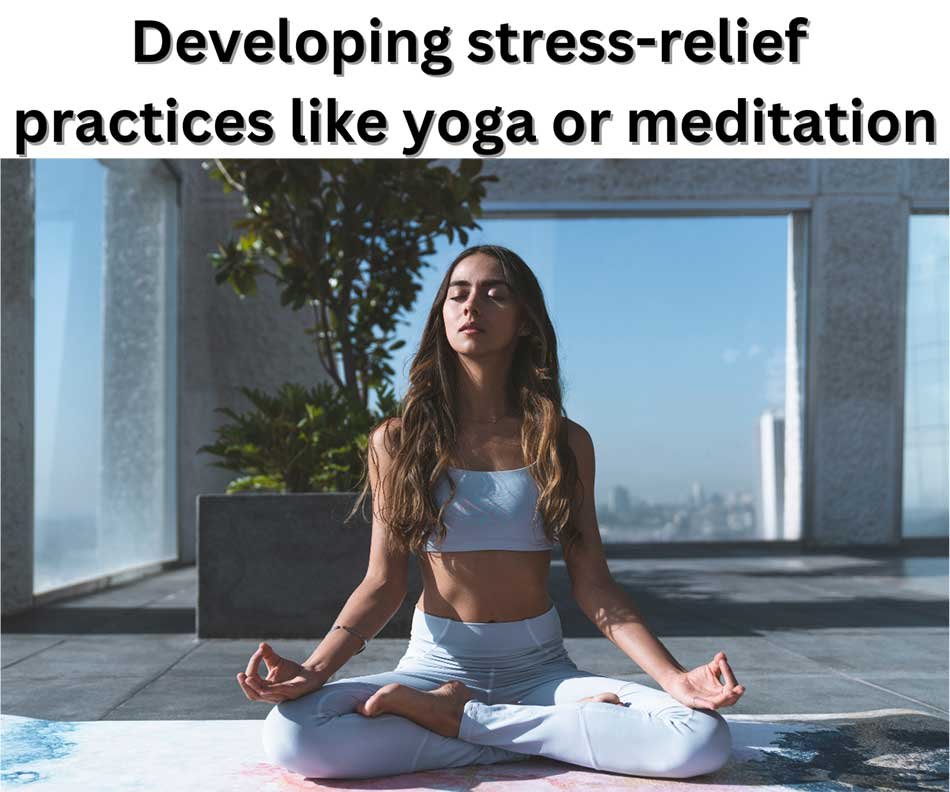
Developing Stress-Relief Practices Like Yoga or Meditation
Stress is a natural part of life, but managing it effectively is essential for maintaining sobriety and overall well-being. Incorporating stress-relief practices like yoga and meditation into your daily routine can provide powerful tools to calm your mind, strengthen your body, and foster emotional balance. These practices promote self-awareness, reduce anxiety, and help you stay grounded, no matter what challenges you face.

The Benefits of Yoga and Meditation
1. Reduces Stress and Anxiety
- Both practices lower cortisol levels, the hormone associated with stress.
- They encourage relaxation and mindfulness, helping you remain present.
2. Improves Emotional Regulation
- Yoga and meditation enhance your ability to manage emotions without feeling overwhelmed.
- Regular practice strengthens your resilience to stressors.
3. Supports Physical Health
- Yoga improves flexibility, strength, and circulation.
- Meditation lowers blood pressure, improves sleep, and boosts immune function.
4. Enhances Mental Clarity
- Both practices increase focus, concentration, and mental clarity.
- They help quiet the mind and promote a sense of inner peace.
Getting Started with Yoga
Yoga is a versatile practice that combines physical postures, breath control, and mindfulness. Here’s how to get started:
1. Choose a Style That Fits Your Needs
- Hatha Yoga: Focuses on gentle poses and relaxation, ideal for beginners.
- Vinyasa Yoga: Offers a more dynamic flow between poses, great for building strength and stamina.
- Restorative Yoga: Involves longer-held poses for deep relaxation.
2. Set Realistic Goals
- Start with 10-15 minutes a day and gradually increase as you feel comfortable.
- Aim to practice 2-3 times a week to build consistency.
3. Create a Comfortable Space
- Find a quiet, clutter-free area where you can focus without distractions.
- Use a yoga mat or soft surface for comfort.
4. Follow Guided Sessions
- Use apps like Down Dog, Yoga for Beginners, or YouTube channels for instructional videos.
- Consider attending a local yoga class for personalized guidance.
Getting Started with Meditation
Meditation involves focusing your mind to achieve a state of relaxation and heightened awareness. Here’s how to begin:
1. Start Small
- Begin with 5-10 minutes a day and gradually extend your practice.
- Consistency is more important than duration; practice daily for the best results.
2. Choose a Technique
- Mindfulness Meditation: Focus on your breath, observing thoughts without judgment.
- Guided Meditation: Listen to a recording or app that walks you through relaxation.
- Loving-Kindness Meditation: Focus on sending love and positive thoughts to yourself and others.
3. Find a Comfortable Position
- Sit in a chair, on a cushion, or lie down in a relaxed position.
- Keep your back straight and your body relaxed.
4. Use Tools for Support
- Apps like Calm, Headspace, or Insight Timer offer beginner-friendly guided meditations.
- Set a timer to avoid worrying about the length of your session.
Combining Yoga and Meditation
Pairing yoga with meditation can amplify the benefits of both practices.
How to Combine Them:
- Start with 10 minutes of yoga to relax your body and mind.
- Follow with a 5-10 minute meditation session to deepen your relaxation.
- Use the final moments of your yoga practice (Savasana) as a time for mindfulness meditation.
Example Routine:
- Begin with gentle stretches and deep breathing.
- Transition into a series of basic yoga poses (e.g., downward dog, child’s pose).
- Conclude with seated or lying-down meditation, focusing on your breath or a positive affirmation.
Tips for Building a Consistent Practice
1. Set a Routine
- Choose a regular time each day, such as morning or evening.
- Incorporate yoga or meditation into your existing routines, like after waking up or before bed.
2. Be Patient with Yourself
- Progress takes time; avoid judging your practice.
- Focus on the effort rather than perfection.
3. Celebrate Your Efforts
- Acknowledge your commitment to self-care.
- Reflect on the benefits you’re experiencing over time.
Picture This
Imagine beginning each day with a few moments of calm, stretching your body and centering your mind. Picture yourself handling stress with ease, carrying a sense of peace and clarity into everything you do. By embracing yoga and meditation, you’re creating a sanctuary within yourself, one breath and pose at a time.
Share This Article
If you know someone who could benefit from yoga or meditation as a stress-relief practice, please share this article with them. Your encouragement could help them discover tools to enhance their recovery and well-being.
Disclaimer
This article is based on personal experiences and observations. It does not represent or speak for any Anonymous programs.