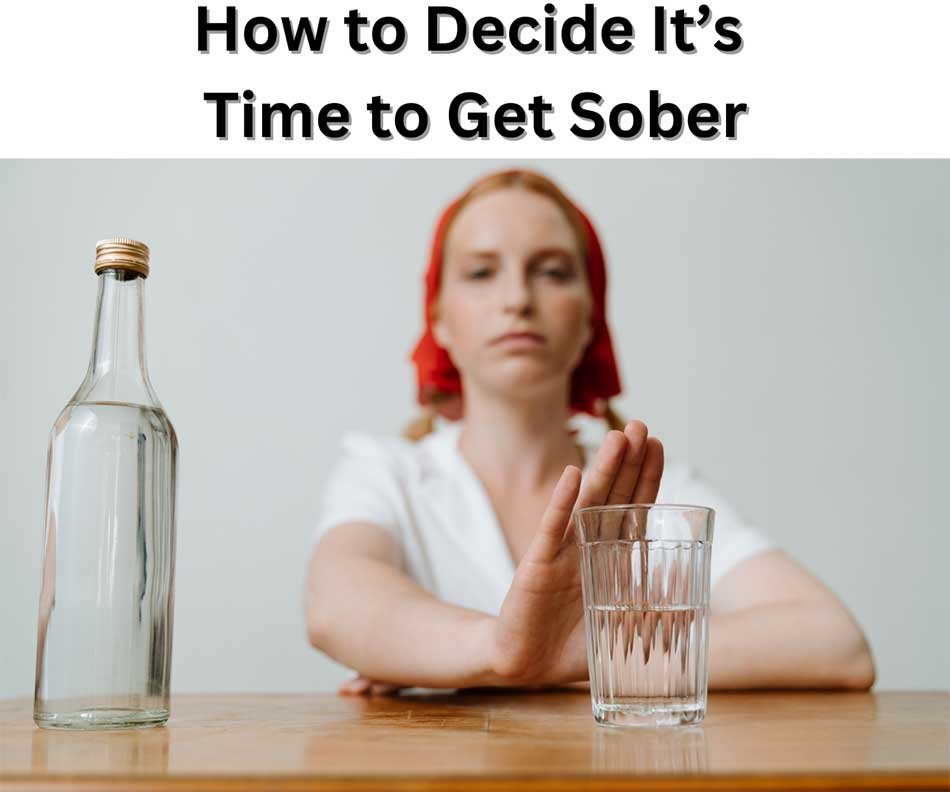
How to Decide It’s Time to Get Sober
Deciding it’s time to get sober is one of the most important choices you’ll ever make. It’s not just about quitting alcohol or substances; it’s about reclaiming your life, finding peace, and building a brighter future. If you’re contemplating this decision, here’s a guide to help you recognize when it’s time to take that courageous step toward sobriety.

Signs It’s Time to Get Sober
Understanding the signs that you may need to stop using substances can clarify your decision-making process. These signs often fall into physical, emotional, and relational categories.
Physical Signs:
- Frequent hangovers or withdrawal symptoms.
- Neglecting your health, such as poor diet or lack of exercise.
- Feeling physically dependent on substances to function.
Emotional Signs:
- Persistent feelings of guilt, shame, or hopelessness.
- Mood swings or emotional instability.
- Using substances to cope with stress, anxiety, or depression.
Relational Signs:
- Strained relationships with family and friends.
- Lying, hiding, or isolating yourself to avoid confrontation.
- Losing trust or respect from loved ones due to your substance use.
Reflecting on Your “Why”
Sobriety is a deeply personal journey, and understanding your reasons for getting sober is crucial. Reflecting on your “why” can give you the motivation to start and stay on the path of recovery.
Questions to Consider:
- What am I losing because of my substance use?
- What could I gain by choosing sobriety?
- How do I want my life to look one year from now?
Your “why” might include improving your health, mending relationships, pursuing dreams, or simply wanting to feel happy and free again. Write down your reasons and revisit them often.
Facing Your Fears
It’s natural to feel scared or uncertain about getting sober. The thought of facing life without substances can be overwhelming, especially if you’ve relied on them for years. But these fears can be overcome with the right mindset and support.
Common Fears:
- Fear of withdrawal symptoms.
- Worrying about failure or relapse.
- Anxiety about how sobriety will change your social life.
Overcoming Fears:
- Educate yourself about the recovery process.
- Connect with others who have successfully gotten sober.
- Remind yourself that seeking help is a sign of strength, not weakness.
Building a Support System
Deciding to get sober is a significant step, and having a support system can make the journey easier. Support comes in many forms:
Family and Friends:
Open up to loved ones who will encourage and support your decision. Let them know how they can help, whether it’s through accountability or simply being there to listen.
Recovery Groups:
Consider joining a group like Alcoholics Anonymous (AA) or SMART Recovery. Sharing experiences with others who understand your struggles can provide comfort and guidance.
Professional Help:
Therapists, counselors, and addiction specialists can help you navigate the challenges of getting sober and create a plan tailored to your needs.
Taking the First Step
Making the decision to get sober is only the beginning. The first step might be attending a meeting, talking to a trusted friend, or reaching out to a professional. What matters most is starting somewhere.
Actionable Steps:
- Set a date to stop using substances.
- Clear your environment of triggers or temptations.
- Plan healthy activities to fill your time, such as exercise, hobbies, or volunteer work.
Remember, every small step forward is progress.
Picture This
Imagine waking up every morning with a clear head and a light heart. Picture yourself smiling more, reconnecting with loved ones, and feeling truly proud of the choices you’re making. You have the strength to rewrite your story, and every step you take brings you closer to the life you deserve.
If you know someone who could benefit from this article, please share it with them. Your support could be the spark that inspires them to take the first step toward sobriety.
Disclaimer
This article is based on personal experiences and observations. It does not represent or speak for any Anonymous programs.