Rebuilding Your Career After Addiction: A Path to Professional Renewal
Recovering from addiction is a monumental achievement, and reclaiming your career is an essential part of building a fulfilling, stable future. Whether you are re-entering the workforce, advancing in your field, or exploring new career opportunities, sobriety can empower you to pursue professional growth with renewed focus and determination.

This guide outlines steps to rebuild your career after addiction, providing actionable strategies to regain confidence, secure employment, and create long-term success in a sober lifestyle.
Overcoming Career Challenges Post-Recovery
Reintegrating into the workforce after addiction can come with unique obstacles, such as:
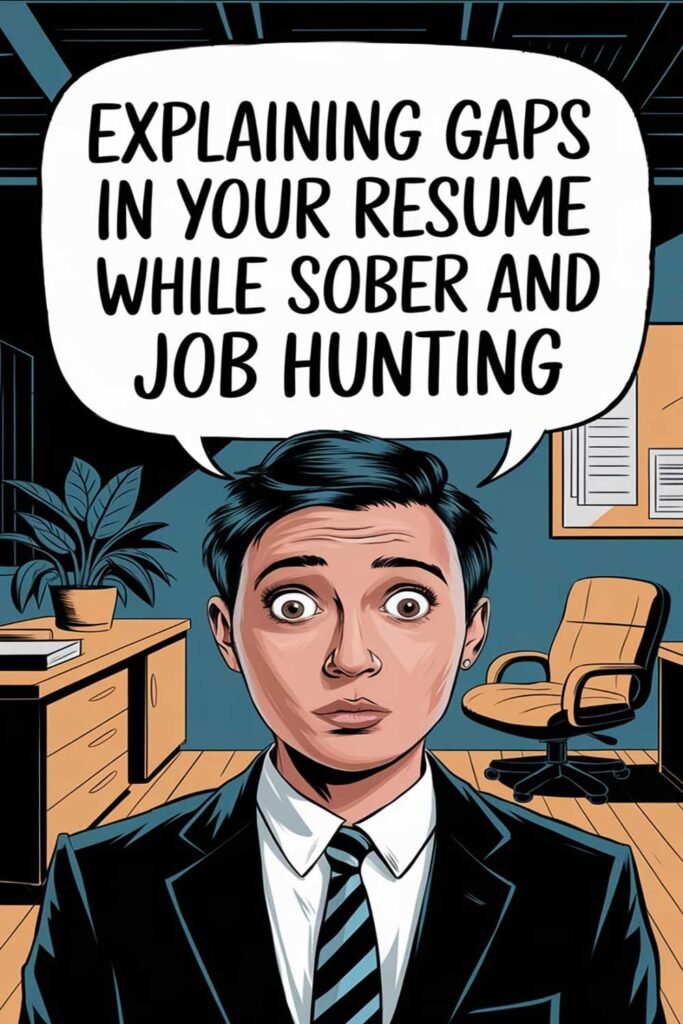
- Gaps in Employment History: Potential employers may question time away from work.
- Rebuilding Confidence: Overcoming self-doubt after past setbacks.
- Managing Workplace Stigma: Addressing concerns about disclosing your recovery journey.
- Developing a New Work Ethic: Adapting to a structured, disciplined professional environment.
- Handling Stress Without Substances: Learning to manage workplace pressure in a healthy way.
With the right approach and mindset, these challenges can be turned into opportunities for personal and professional growth.
Steps to Rebuilding Your Career After Addiction
1. Assess Your Strengths and Goals
Reflect on your skills, passions, and past experiences to determine your career direction. Consider:
- What industries or roles align with your strengths and interests?
- Do you want to return to a previous career or explore new opportunities?
- What steps can you take to improve your qualifications and knowledge?
2. Refresh Your Resume and LinkedIn Profile
Update your resume with relevant skills and experience. Address employment gaps by:
- Highlighting transferable skills gained during recovery.
- Including volunteer work, continuing education, or personal development initiatives.
- Being honest yet professional if asked about employment gaps during interviews.
3. Utilize Support Networks
Leverage recovery groups, career counseling, and networking opportunities to find job leads and mentorship. Organizations that provide employment resources for those in recovery include:
- National Association of Workforce Boards (NAWB)
- America in Recovery
- Second Chance Employers
- Local support groups and community centers
4. Consider Educational and Training Opportunities
If your career requires updated skills, consider:
- Taking online courses or certifications to boost your qualifications.
- Attending workshops, seminars, or networking events in your industry.
- Exploring trade schools or vocational training programs if seeking a new career path.
5. Find a Supportive Workplace
Seek employers who value inclusion and second chances. Industries with opportunities for career rebuilders include:
- Healthcare and counseling
- Nonprofits and social work
- Trades and skilled labor
- Remote or freelance work
If disclosure is a concern, focus on workplaces that emphasize skills, character, and work ethic over past struggles.
6. Develop Healthy Workplace Habits
Thriving in a sober career requires strong workplace habits, such as:
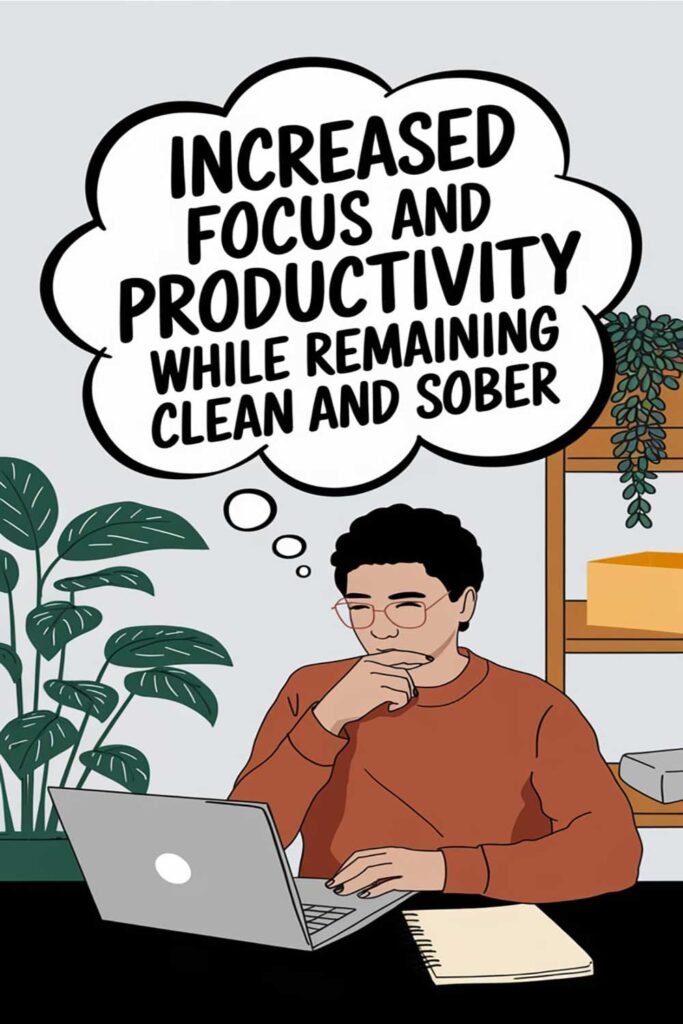
- Time Management: Using schedules, task lists, and organization tools.
- Professional Boundaries: Maintaining a work-life balance to prevent stress overload.
- Effective Communication: Practicing clarity, respect, and active listening in professional interactions.
7. Manage Workplace Stress Without Substances
Develop coping strategies to handle work-related stress, such as:
- Mindfulness and meditation practices
- Regular exercise and a healthy diet
- Seeking professional counseling or support groups when needed
8. Build a Positive Reputation in Your Field
Showcase your commitment to professional growth by:
- Maintaining reliability, punctuality, and integrity in the workplace.
- Seeking mentorship or leadership roles over time.
- Continuing to learn and improve in your chosen profession.
9. Stay Committed to Sobriety and Personal Growth
Your career success depends on maintaining your recovery. Stay dedicated to:
- Attending recovery meetings and engaging in self-care.
- Surrounding yourself with a supportive network.
- Celebrating career milestones and personal achievements.
Conclusion
Rebuilding your career after addiction is an opportunity to redefine your professional path with clarity and purpose. By leveraging your strengths, seeking supportive work environments, and developing strong workplace habits, you can achieve lasting success in sobriety. Every step forward reinforces your resilience and ability to thrive in both personal and professional life.
Inspirational Quotes on Career Recovery and Growth
- “It’s not about how far you fall, but how high you bounce back.” – Unknown
- “The comeback is always stronger than the setback.” – Unknown
- “Believe in yourself and all that you are. Know that there is something inside you greater than any obstacle.” – Christian D. Larson
- “Success is not final, failure is not fatal: it is the courage to continue that counts.” – Winston Churchill
- “Your past does not define your future.” – Unknown
- “Rock bottom became the solid foundation on which I rebuilt my life.” – J.K. Rowling
- “Small progress is still progress. Keep going.” – Unknown
- “Every next level of your life will demand a different version of you.” – Unknown
- “Your comeback will be bigger than your setback.” – Steve Harvey
- “You are never too old to set another goal or to dream a new dream.” – C.S. Lewis
Picture This
Imagine walking into work, filled with confidence and purpose. Your coworkers recognize you for your dedication, reliability, and hard work. The stress that once consumed you has been replaced with motivation, and each day presents new opportunities for growth and success. You feel a deep sense of accomplishment, knowing that your past no longer defines you. Picture yourself thriving in a career that aligns with your values, proving that recovery is not just about staying sober—it’s about building a future you’re proud of.
Please Share This Article
If this article inspired you, please share it with someone who may benefit from guidance on rebuilding their career after addiction. Together, we can create opportunities for success and renewal.