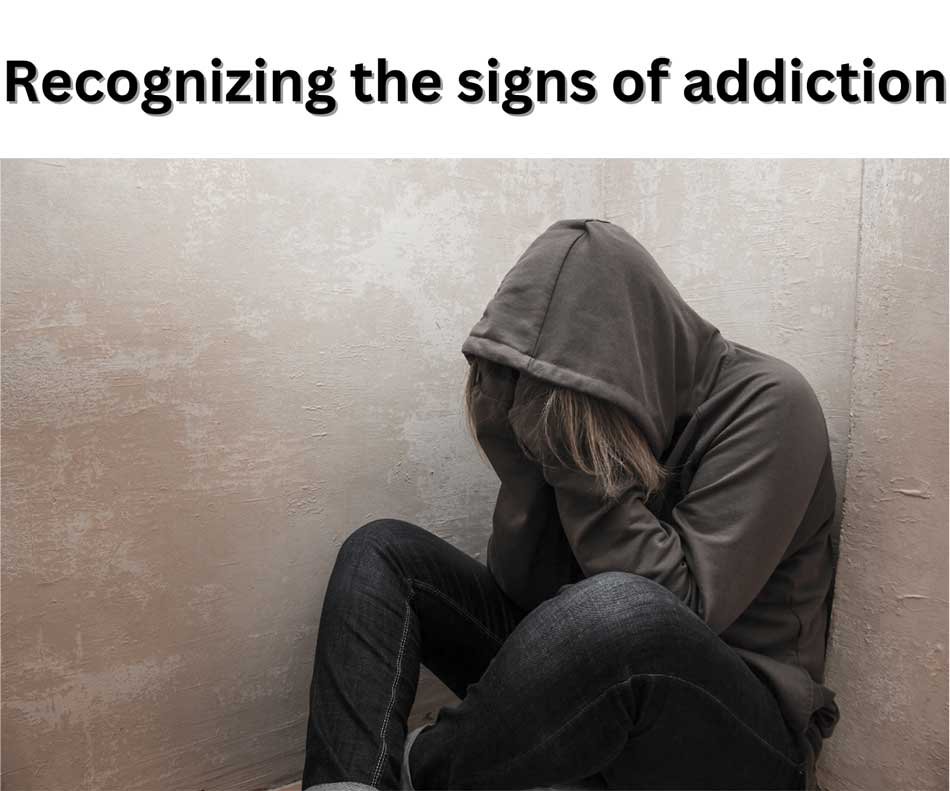
Recognizing the Signs of Addiction
Understanding the signs of addiction is a crucial step toward seeking help for yourself or supporting someone you care about. Addiction often starts subtly, making it easy to overlook in its early stages. By recognizing the physical, emotional, and behavioral signs, you can take proactive steps toward recovery.

What Is Addiction?
Addiction is a chronic condition characterized by the inability to stop using a substance or engaging in a behavior despite harmful consequences. It affects the brain’s reward system, leading to cravings and compulsive use. Recognizing addiction is not about assigning blame; it’s about understanding the problem and finding solutions.
Physical Signs of Addiction
Addiction often manifests in noticeable physical changes, including:
- Increased Tolerance: Needing larger amounts of the substance to achieve the same effect.
- Withdrawal Symptoms: Experiencing physical or psychological distress when not using the substance.
- Neglected Appearance: Decline in personal hygiene or grooming habits.
- Changes in Sleep Patterns: Insomnia, excessive sleep, or erratic sleeping habits.
Emotional and Mental Signs
Substance use or addictive behaviors can significantly affect emotional well-being, resulting in:
- Mood Swings: Rapid changes in mood, from euphoria to irritability or sadness.
- Anxiety or Depression: Persistent feelings of worry, fear, or hopelessness.
- Isolation: Withdrawing from friends and family to hide the addiction.
- Obsession: Constantly thinking about the next opportunity to use or engage in addictive behavior.
Behavioral Changes
Behavioral signs are often the most apparent indicators of addiction. These may include:
- Loss of Interest: Abandoning hobbies, work, or responsibilities.
- Secretive Behavior: Hiding use, lying about whereabouts, or being defensive.
- Financial Issues: Spending excessive money on substances or addictive behaviors.
- Risky Actions: Engaging in dangerous activities while under the influence.
Recognizing Signs in Loved Ones
If you’re concerned about someone you care about, look for these signs:
- Frequent Lying or Excuses: Rationalizing their behavior or avoiding accountability.
- Physical Deterioration: Sudden weight loss, injuries, or unexplained health problems.
- Changes in Social Circles: Associating with different people or avoiding old friends.
- Neglecting Responsibilities: Ignoring work, school, or family obligations.
Why Early Recognition Matters
Identifying addiction early can:
- Prevent further harm to physical and mental health.
- Preserve relationships and rebuild trust.
- Lead to quicker access to effective treatment options.
Steps to Take if You Recognize the Signs
If you or someone you know is showing signs of addiction, here are actionable steps to consider:
- Acknowledge the Problem: Acceptance is the first step toward recovery.
- Seek Support: Reach out to a trusted friend, family member, or support group.
- Consult Professionals: Speak with a counselor, therapist, or medical professional for guidance.
- Explore Treatment Options: Look into rehabilitation centers, outpatient programs, or 12-step programs.
- Build a Plan: Create a structured approach to address the addiction and build healthy habits.
Picture This
Imagine waking up with a sense of clarity and control, free from the grip of addiction. Picture yourself rebuilding relationships, pursuing passions, and living a life filled with purpose and joy. You have the power to recognize the signs and take the steps necessary to create the life you deserve.
Share This Article
If you know someone who could benefit from understanding the signs of addiction, please share this article with them. Your kindness could make all the difference in helping them take the first step toward recovery.
Disclaimer
This article is based on personal experiences and observations. It does not represent or speak for any Anonymous programs.