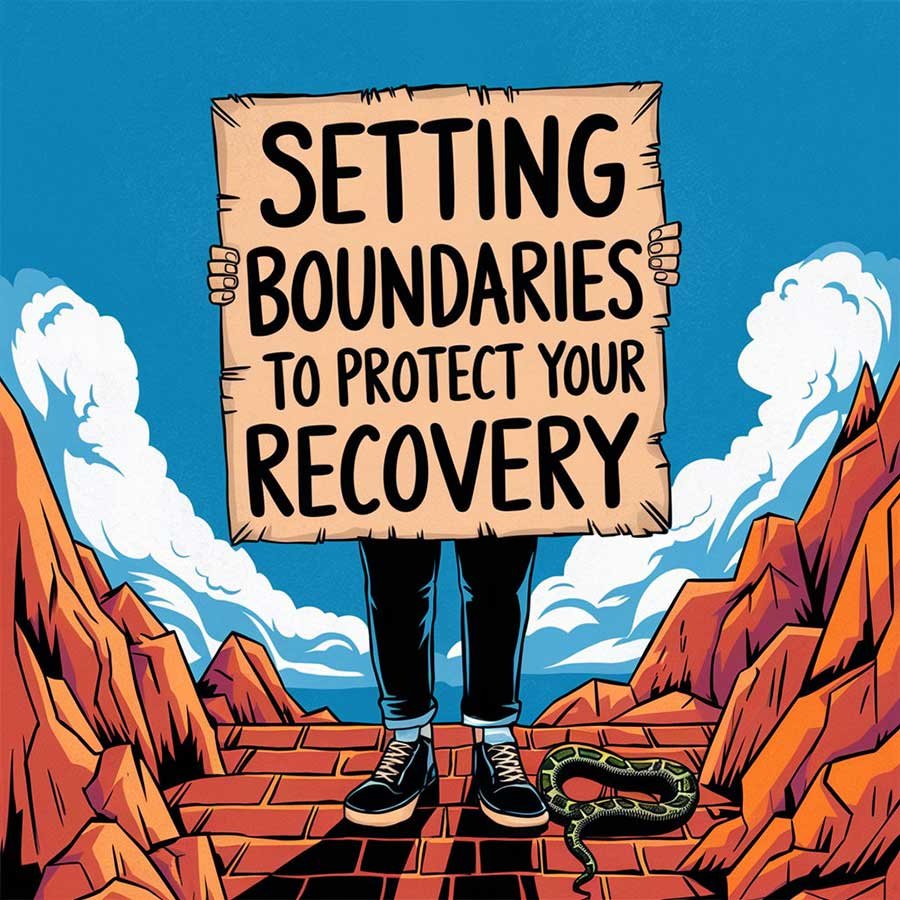
Setting Boundaries to Protect Your Recovery
Recovery is a journey that requires strength, dedication, and a commitment to protecting your newfound sobriety. One of the most important tools for long-term success is the ability to set and maintain boundaries. Boundaries help you safeguard your mental, emotional, and physical well-being, ensuring that you stay on track with your recovery goals. Without them, you may find yourself in situations that threaten your progress, cause stress, or lead to relapse.

Why Boundaries Are Essential in Recovery
Boundaries define what is acceptable and what is not in your relationships, social interactions, and personal space. They help you establish a sense of control over your life, allowing you to focus on your recovery without unnecessary distractions or triggers. Some key reasons why setting boundaries is crucial include:
- Protecting your mental health: Avoiding toxic or triggering environments reduces stress and anxiety.
- Preventing relapse: Steering clear of situations that might lead you back to substance use.
- Building self-respect: Standing firm in your values and needs reinforces self-worth.
- Improving relationships: Healthy boundaries foster mutual respect and understanding in personal and professional relationships.
- Enhancing self-discipline: Maintaining limits keeps you accountable for your own well-being.
Identifying Where You Need Boundaries
Setting boundaries starts with identifying areas in your life where they are needed. Here are some common areas where boundaries are essential in recovery:
1. Social Boundaries
- Avoid people who encourage or enable substance use.
- Limit time with negative influences who dismiss your sobriety.
- Choose supportive, like-minded individuals who respect your recovery journey.
2. Emotional Boundaries
- Say no to emotionally draining conversations or relationships.
- Protect your energy by not overcommitting to others at your own expense.
- Set limits on how much negativity or stress you allow into your life.
3. Physical Boundaries
- Avoid places where you used to engage in substance use.
- Keep your living space free of alcohol or drugs.
- Create a safe and comfortable environment that supports your sobriety.
4. Time Boundaries
- Prioritize self-care and avoid overloading your schedule.
- Set specific times for meetings, therapy, or self-reflection.
- Make time for activities that nourish your mind and body.
5. Workplace Boundaries
- Communicate clearly with coworkers and supervisors about what you need to maintain balance.
- Set limits on work stress to avoid burnout.
- Separate work life from personal recovery time.
How to Set and Maintain Boundaries
Once you’ve identified where you need boundaries, the next step is learning how to set and enforce them effectively.
1. Be Clear and Direct
- State your needs and limits honestly and assertively.
- Avoid vague or indirect communication.
- Example: “I can’t go to that party because I’m committed to my recovery. Let’s plan something else.”
2. Say No Without Guilt
- Recognize that saying no is necessary for your well-being.
- You don’t owe anyone an explanation for protecting your recovery.
- Example: “I appreciate the invite, but I’m going to pass. Thanks for understanding.”
3. Use “I” Statements
- Communicate boundaries without blaming others.
- Example: “I need to focus on my sobriety, so I won’t be attending events where alcohol is present.”
4. Surround Yourself With Supportive People
- Engage with friends, family, or support groups who respect your boundaries.
- Remove or distance yourself from those who challenge or ignore your limits.
5. Stay Consistent
- Reinforce boundaries by sticking to them consistently.
- People will test your limits, but standing firm will earn respect and self-confidence.
6. Prepare for Pushback
- Some people may resist your boundaries.
- Stay strong, and remember that their reactions are about them, not you.
7. Prioritize Self-Care
- Boundaries protect your peace, and self-care reinforces it.
- Engage in activities that promote emotional, mental, and physical well-being.
Dealing With Guilt and Resistance
It’s normal to feel guilty when enforcing boundaries, especially if you’ve been a people-pleaser in the past. However, protecting your recovery is more important than pleasing others. Here’s how to handle resistance:
- Remind yourself why you’re doing this – Your sobriety and mental health come first.
- Don’t over-explain – A simple “No, that doesn’t work for me” is enough.
- Practice self-compassion – Setting boundaries is a sign of self-respect, not selfishness.
- Lean on your support system – Talk to a sponsor, therapist, or trusted friend when you struggle.
The Long-Term Benefits of Boundaries in Recovery
As you continue to set and maintain boundaries, you’ll experience several long-term benefits:
- Increased self-respect – You honor yourself by protecting your needs.
- Healthier relationships – You attract and maintain connections that align with your values.
- Stronger resilience – Setting boundaries builds inner strength and emotional stability.
- Greater peace of mind – Less stress, anxiety, and guilt in daily life.
Final Thoughts
Setting boundaries isn’t always easy, but it’s one of the most powerful ways to protect your recovery. Boundaries allow you to reclaim control over your life, avoid unnecessary stress, and build relationships that support your well-being. The more you practice enforcing them, the stronger and more confident you’ll become in maintaining your sobriety.
Picture This
Imagine a life where you wake up feeling strong and confident in your recovery. You’re surrounded by people who uplift and support you, respecting your journey without pushing your limits. You’ve created a space where your sobriety thrives, free from toxic influences and unnecessary stress. Every day, you make choices that align with your values, reinforcing your commitment to a better, healthier life. That’s the power of setting boundaries—protecting your peace and ensuring your recovery remains strong.
Please Share This Article
If this article resonated with you, please share it with anyone who might benefit from learning how to set boundaries to protect their recovery.