The First Hour: 9 Things to Do Right After You Wake Up in Early Sobriety
The alarm goes off, and for a moment you forget what kind of day it is. Then it all comes back. In early sobriety, the first hour after waking up can feel strange. The old routine is gone, your head may be foggy, and the quiet can feel loud.
You do not need a perfect morning. Here are nine small things you can do in that first hour, in any order, even on a rough day. Pick the two or three that fit your life and let the rest wait until you are ready.
Get the Free Sober Survival Guide for Mornings Like These
Download the free Sober Survival Guide and get practical, honest support for the ordinary days recovery actually happens on.
Get the Free Guide1. Put your feet on the floor before you pick up your phone. The first minutes of the day can belong to you.
Your phone is full of other people’s news, messages, and problems. If you grab it the second you wake up, your day starts with noise before you have even sat up. In early sobriety, when your nerves can already feel raw, that rush can make everything feel bigger.
Tonight, put the phone across the room or face down. When you wake up, sit up, put both feet on the floor, and take three slow breaths before you look at anything.
2. Drink a full glass of water. It is a small win you can finish in under a minute.
After a night of sleep, your body has gone hours without water. A glass will not fix everything, but many people say it helps them feel a little clearer. It also gives you a task you can finish right away, and finishing something early sets a good tone for the day.
Fill a glass before bed and leave it by your bed or on the kitchen counter. Drink all of it before you do anything else.
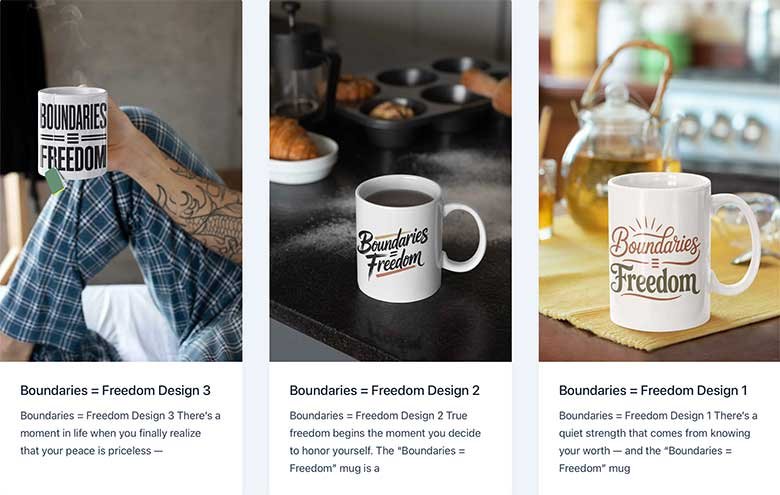
Start Your Mornings With Reminders That Support You
Premier Print Works creates quality prints, mugs, and shirts for people who are building daily reminders that support their recovery. Find what speaks to your journey today.
Visit Premier Print Works3. Say out loud that you are not drinking today. Hearing it in your own voice helps.
Thoughts in your head can be quiet and slippery. Words you say out loud are harder to ignore. A short sentence like “I am staying sober today” can steady you, and it reminds you that this is a choice you are making, not something happening to you.
Pick words that sound like you and keep them short. Say them in the mirror, in the shower, or while the coffee is brewing.
“The first hour does not have to be perfect. It only has to point you in the right direction.”
Keep This Guide Close for Your Own Hard Mornings
The free Sober Survival Guide offers honest, practical support to return to whenever an ordinary morning gets hard.
Download the Free Guide4. Eat something, even if it is small. An empty stomach can make a hard morning feel worse.
When you skip food, you can end up shaky, cranky, or tired, and those feelings are easy to mistake for cravings. Many people in early sobriety also find that their appetite is off. Eating a little gives your body steady fuel and takes one worry off the list.
Keep easy options on hand, like toast, yogurt, a banana, or eggs. If you have trouble eating for several days in a row, mention it to your doctor.
5. Get some daylight and fresh air, even for five minutes. Step outside or open a window.
Morning light tells your body that the day has started. Many people find that it lifts their mood, and it can help you sleep better at night too. Sleep is often rough in early recovery, so anything that helps your body find a steady rhythm is worth trying.
Take your first cup of coffee or tea out to the porch, or walk to the end of the block and back. Five minutes is plenty.
6. Move your body in a small way. A stretch counts.
You do not need a workout. A few stretches, a short walk, or even marching in place can loosen tight muscles and shake off that heavy, sluggish feeling. Moving also gives your mind something simple to focus on.
Set a timer for five minutes and move in any way you like. When it goes off, you are done. Once the basics feel easy, you may like our list of 13 sober morning rituals for more ideas to build on.
7. Write three lines in a notebook. It does not have to be pretty.
Writing gets thoughts out of your head and onto paper, where they often feel smaller. You do not need to journal for an hour. Three lines is enough: how you feel right now, what might be hard today, and one thing you are looking forward to.
Keep a notebook and a pen where you will see them first thing. If you are not sure how to begin, this guide to starting a recovery journal can help.
8. Plan for the hardest part of your day before it arrives. Knowing where it is takes away some of its power.
Most days have one tough spot: a work meeting, a long drive, a family dinner, a quiet evening alone. When you name it in the morning, it stops being a surprise. You can walk into it with a plan instead of hoping for the best.
Ask yourself where today might be hardest, then choose one thing you will do there, like calling a friend, taking a walk, or leaving early. If cravings tend to show up at that time, these tips for managing early cravings can help you get ready.
9. Send one message to someone who supports you. A short text counts.
Early sobriety can feel lonely, and mornings can be the loneliest part. A quick message to someone you trust reminds you that you are not doing this by yourself. It also makes it easier to reach out again later if the day gets harder.
Try something simple like “Good morning. Staying sober today.” If you do not have anyone to text yet, a support group meeting or a call to the helpline listed at the bottom of this page is a good place to start.
Keep the Free Sober Survival Guide Close
The Sober Survival Guide is built for exactly the kind of ordinary, hard morning this article is about: honest, practical, and free.
Get the Free GuideReal Stories, Real Results
Keiran used to open his eyes and reach straight for his phone, then spend the first hour scrolling through everything that was wrong. In his third week of sobriety, he tried two small things instead: a glass of water and one sentence, said out loud, about staying sober that day. He said it felt silly at first. But it was the first thing he finished each morning, and that made the rest of the day easier to start.
Later he added a short walk before work and a quick text to a friend. He said mornings used to feel like something to survive. Now they felt like a head start. Nothing about his mornings was fancy. They were just no longer empty.
Small Starts Add Up
None of these nine things takes more than a few minutes, and none of them needs you to feel strong. The first hour is simply a chance to point your day in the right direction.
Choose two or three that fit your life and try them for a week. Add more when you are ready. The free Sober Survival Guide offers more honest, practical help for the hard hours, and a steady morning is built one small choice at a time.
Ready for Support on Your Own Hard Days?
The free Sober Survival Guide walks alongside you with honest, practical support built for the ordinary days recovery actually happens on.
Download Free Now
Fill Your Space With What Supports Your Recovery
Premier Print Works makes quality prints, mugs, and shirts for people building a daily practice that supports their sobriety. Browse the collection and find what speaks to you.
Visit Premier Print WorksDisclaimer
The content on this page is for informational and inspirational purposes only. It is not a substitute for professional medical or mental health treatment. Recovery from substance use is a medical and personal process, and the right path looks different for everyone. If you are currently using and considering stopping, please do not detox alone — withdrawal from some substances can be medically dangerous and, in some cases, life-threatening. Speak with a doctor or a treatment provider before stopping on your own.
If you or someone you know is struggling with substance use, the SAMHSA National Helpline is available free and confidential, 24/7, at 1-800-662-4357. You can also find local treatment options at findtreatment.gov. If you or someone you know is in crisis, including thoughts of suicide, call or text 988 to reach the 988 Suicide and Crisis Lifeline.
A relapse is a medical event, not a moral failure, and it does not erase the progress made before it. If a relapse happens, please reach out to a doctor, treatment provider, or the resources above for support in staying safe.
The story of Keiran is an illustrative composite character created to bring the content to life. He is not a real person. Any resemblance to a real person is purely coincidental.
Some links on this page, including links to Premier Print Works and other resources, are affiliate links. If you make a purchase through one of these links, we may earn a small commission at no extra cost to you. We do not own, produce, or control any affiliate products, and we are not responsible for them — we only own and sell the products offered through our own store, Premier Print Works.
All content on Life and Sobriety is the property of Digital Marketing 215 LLC and is protected by copyright law. No part of this page may be copied, reproduced, republished, distributed, or transmitted in any form without prior written permission from the author.